

Discover Yeoncheon Dangpo Fortress: Korea’s Ancient Goryeo Defense Structure
Are you interested in exploring Korea’s ancient military architecture and natural defense strategies? Yeoncheon Dangpo Fortress offers a unique glimpse into Goryeo-era fortifications, utilizing natural terrain for strategic advantage. This site is perfect for history enthusiasts, archaeological researchers, and travelers eager to experience Korea’s rich cultural heritage and natural landscapes.
In this guide, you’ll learn about the historical significance of Yeoncheon Dangpo Fortress, its strategic location, preserved relics, and practical visitor information. Whether you’re a history buff, a cultural explorer, or someone curious about Korea’s ancient defense systems, this site provides an immersive experience into Korea’s past. The fortress’s natural setting, combined with well-preserved ancient structures, makes it a must-visit destination for those interested in Korea’s military history and natural environment.

At a glance
- Who this is for
-
- Travelers interested in Korean history and archaeology
- Researchers studying ancient Korean military architecture
- History and culture enthusiasts exploring the Yeoncheon area
- Tourists seeking natural and historical site experiences
- Key takeaways
-
- Ancient Goryeo-era fortress utilizing natural terrain for defense
- Strategic location between Imjin River and steep cliffs
- Remnants of Goryeo construction techniques and artifacts
- Free, year-round access with easy transportation options
- Rich archaeological findings including pottery and relics from Silla influence
- Tips & cautions
-
- Preserve the natural environment; avoid damaging structures
- Be cautious of erosion-prone areas and natural wear
- Follow signage and designated paths to avoid harm
- Bring water, wear suitable footwear, and prepare for uneven terrain
- Bottom line
- Yeoncheon Dangpo Fortress offers a compelling blend of Korea’s ancient military ingenuity and natural beauty, making it a must-visit cultural site.
Yeoncheon Dangpo Fortress stands as a testament to Korea’s strategic ingenuity during the Goryeo period. Built on steep cliffs between the Imjin River and Danggae Stream, this ancient fortress showcases how natural topography was harnessed for defense purposes. The site features well-preserved stone walls, defensive trenches, and relics that reveal advanced construction techniques of the time. Visitors can explore the remains of ancient fortifications, discover artifacts such as pottery and relics indicating interactions with neighboring regions like Silla, and enjoy the scenic natural environment that surrounds the site.
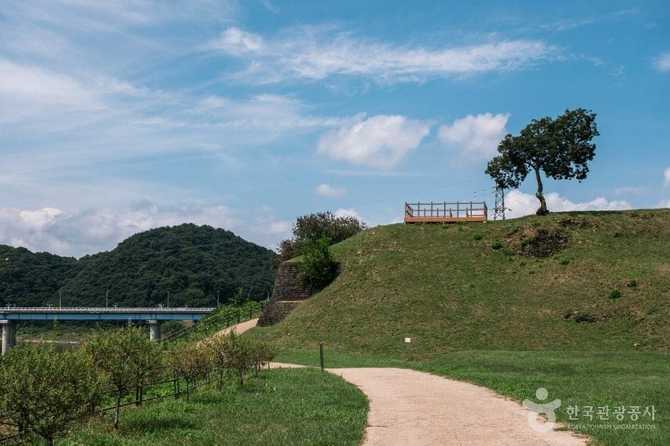
Understanding the historical context of Yeoncheon Dangpo Fortress provides valuable insight into Korea’s military history and the ingenuity of ancient builders. Its location not only served strategic military purposes but also integrated seamlessly with Korea’s natural landscape, exemplifying a sophisticated defense strategy. The site’s accessibility and free admission make it an ideal destination for educational trips, cultural exploration, and outdoor adventure. Whether you are a researcher, a history lover, or a curious traveler, visiting this fortress offers a meaningful connection to Korea’s ancient past and natural heritage.
Overview and Location of Yeoncheon Dangpo Fortress
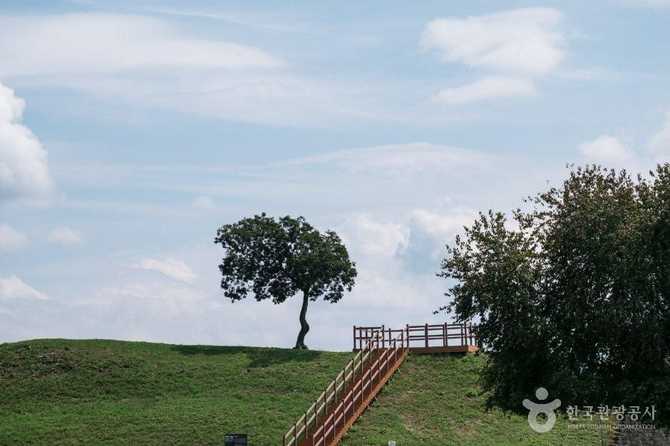
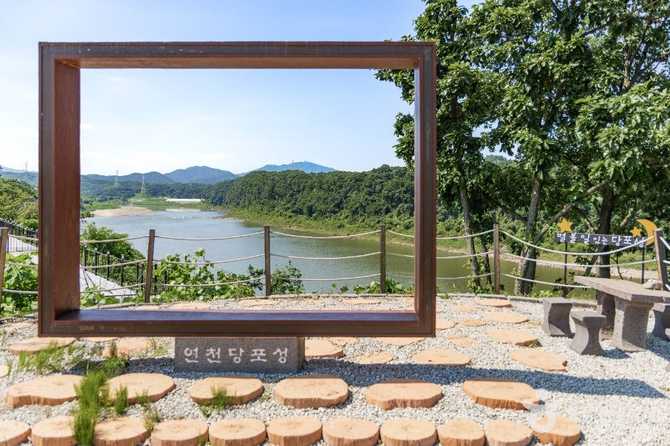
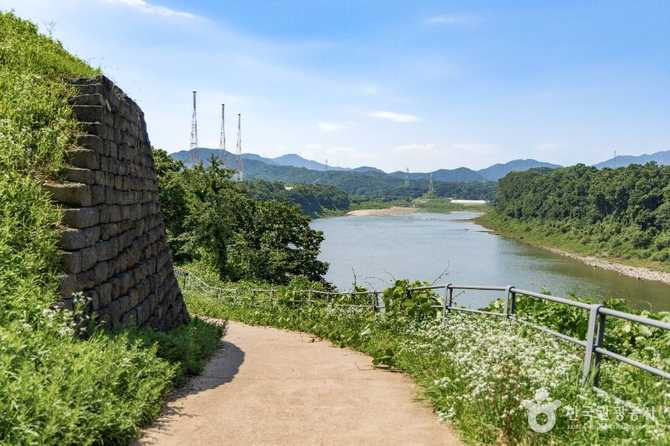
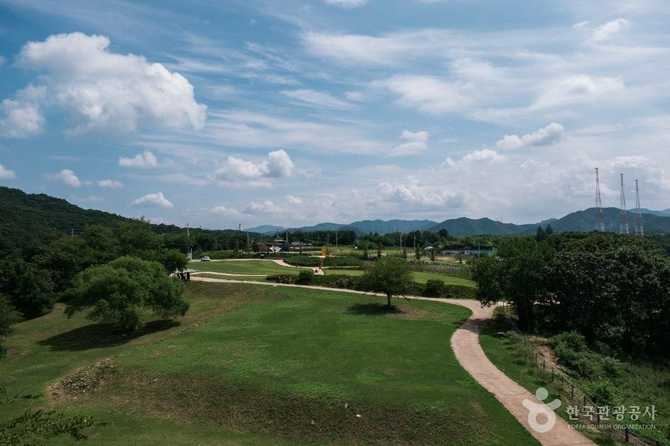
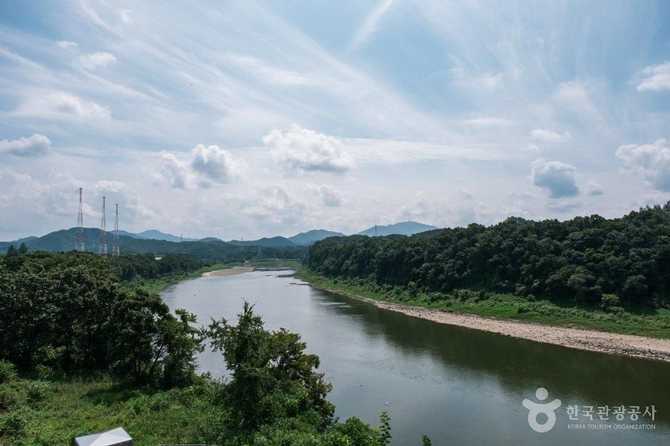
Yeoncheon Dangpo Fortress is a significant historical site that exemplifies Korea’s ancient military architecture, specifically from the Goryeo period. This ancient fortress is strategically situated on a natural terrain between the Imjin River and Danggae Stream, utilizing the rugged landscape to enhance its defensive capabilities. Its location on steep cliffs and natural ridges offers a natural barrier against invaders, making it an ideal military stronghold in ancient Korea. The fortress’s strategic placement allowed ancient defenders to monitor and control movement along vital routes, providing a critical advantage in times of conflict.
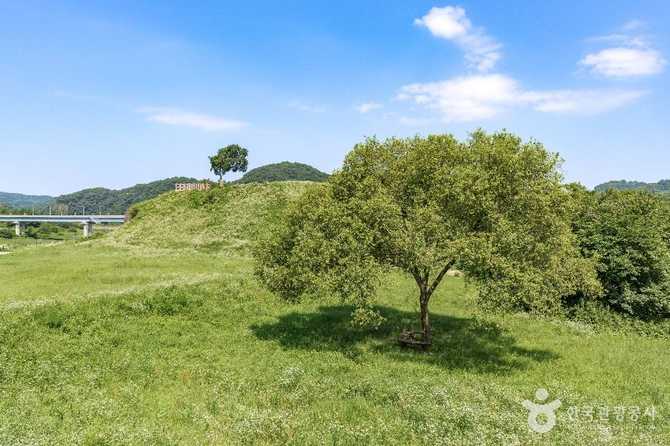
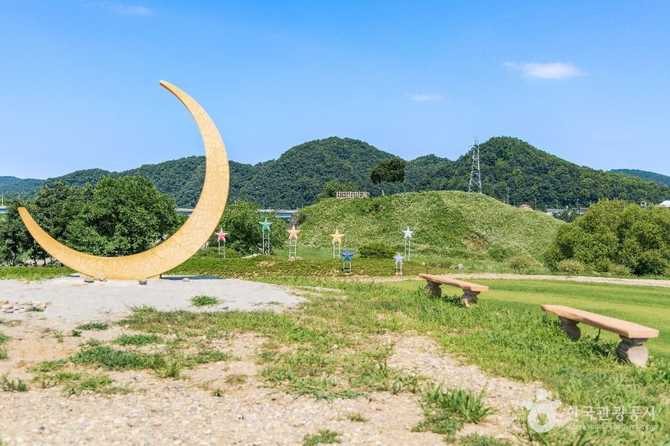
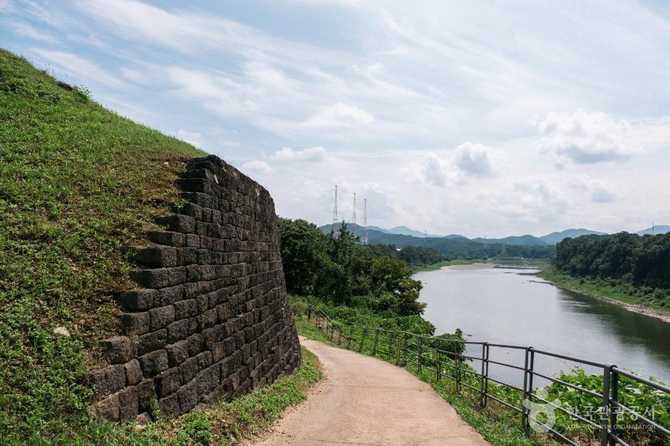
Today, Yeoncheon Dangpo Fortress remains a well-preserved relic of Korea’s military history, attracting visitors interested in archaeology, history, and Korea’s ancient defense strategies. The site features remnants of stone walls, defensive trenches, and artifacts that reveal the advanced construction techniques used by the ancient builders. Its location in the scenic Yeoncheon region offers visitors a chance to enjoy both cultural exploration and natural beauty, making it a popular destination for outdoor enthusiasts and history buffs alike.
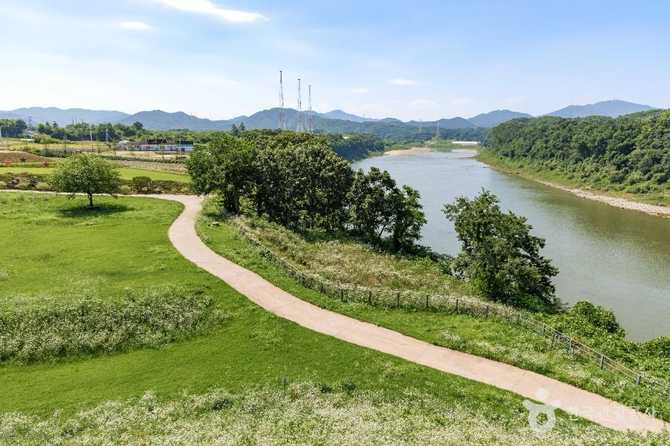
Accessible year-round, the fortress is free to visit and easily reachable by car or public transportation. Visitors can explore the site at their own pace, taking in the historical structures and surrounding natural environment. The site’s preservation efforts ensure that natural erosion and environmental factors are carefully managed, allowing future generations to appreciate Korea’s rich cultural heritage. Whether you are interested in military history, archaeology, or simply enjoying Korea’s scenic landscapes, Yeoncheon Dangpo Fortress offers a unique window into Korea’s ancient past and natural environment combined.
Comparison of Key Features of Yeoncheon Dangpo Fortress
| Feature | Details | Remarks |
|---|---|---|
| Construction Materials | Natural stones, earth, and soil | Blends seamlessly with environment |
| Architectural Features | Stone walls, defensive trenches, natural cliffs | Utilizes natural terrain for defense |
| Relics Discovered | Goryeo pottery, tiles, relics from Silla influence | Artifacts indicate cultural exchanges |
| Location | Between Imjin River and Danggae Stream, on steep cliffs | Provides natural defense advantage |
| Accessibility | Open year-round, free entry, easy access by vehicle or public transit | Suitable for all visitors |
Visitor Checklist: Defense Strategies and Natural Terrain Utilization
- Examine the natural terrain: The fortress is built along steep cliffs and ridges, which serve as natural defense barriers.
- Observe the stone walls: Remnants of stone walls and defensive trenches demonstrate advanced construction techniques.
- Identify defensive features: Look for features such as vertical wall grooves and ancient moats (hyeja) that highlight strategic defense planning.
- Study relics: Artifacts like Goryeo pottery and tiles reveal the cultural and military exchanges of the period.
- Check preservation status: Be mindful of erosion and natural wear that may have affected some structures.
Visitor Information and Access to Yeoncheon Dangpo Fortress
| Aspect | Details |
|---|---|
| Location | Yeoncheon-gun, Misan-myeon, Dongi-ri 778 |
| Opening Hours | Open year-round, 24 hours |
| Admission Fee | Free |
| Contact | Yeoncheon County Office, Cultural Affairs Division Phone: 031-839-2565 |
| Accessibility | Easily accessible by car or public transportation; parking available |
| Additional Info | Visit the official website for the latest updates: https://www.yeoncheon.go.kr |
Precautions and Preservation Tips for Visiting Yeoncheon Dangpo Fortress
- Protect the site: Refrain from touching or climbing on fragile structures to prevent damage and preserve the historical integrity.
- Stay on designated paths: Follow marked trails and signage to avoid erosion and accidental harm to the natural environment and relics.
- Be cautious of natural wear: Some areas may have natural erosion or weathering; exercise caution when walking on uneven or steep surfaces.
- Maintain cleanliness: Dispose of trash properly and do not leave litter to help preserve the site’s natural beauty and archaeological value.
- Safety first: Watch your step, especially in steep or slippery areas, and keep children under supervision during your visit.
- Respect the environment: Avoid disturbing wildlife or plant life around the site to ensure ecological balance is maintained.
- Follow official guidelines: Pay attention to any posted notices or instructions from site staff for safe and responsible exploration.
Whether you visit during the day or evening, Discover Yeoncheon Dangpo Fortress is a meaningful stop on any Seoul itinerary for history-minded travelers.
Frequently Asked Questions (FAQ)
Q1: When was Yeoncheon Dangpo Fortress built, and which period does it date back to?
Yeoncheon Dangpo Fortress was constructed during the Goryeo Dynasty, which lasted from 918 to 1392. It served as a military defense structure utilizing natural terrain for strategic advantage during that era.
Q2: What are the main defensive features of Yeoncheon Dangpo Fortress?
The fortress features stone walls, defensive trenches, natural cliffs, and ancient moats (hyeja). These elements work together to provide effective natural and artificial defense against invaders.
Q3: What artifacts have been found at Yeoncheon Dangpo Fortress?
Artifacts include Goryeo pottery, tiles, and relics from Silla influence. These relics indicate cultural exchanges and the long history of the site’s usage across different periods.
Q4: Is Yeoncheon Dangpo Fortress open to visitors year-round, and is there an entry fee?
Yes, the fortress is open year-round and is accessible 24 hours a day. Entry is free, allowing visitors to explore the site at any time without restrictions.
Q5: What precautions should visitors take when exploring Yeoncheon Dangpo Fortress?
Visitors should be cautious of natural erosion and uneven surfaces to prevent accidents. It is important to follow signage, stay on designated paths, and avoid touching fragile structures to preserve the site.
Q6: How can I get to Yeoncheon Dangpo Fortress, and is there parking available?
The fortress is located at Yeoncheon-gun, Misan-myeon, Dongi-ri 778. It is easily accessible by car or public transportation, with parking facilities available nearby for visitors.
Conclusion: Experience the Rich Heritage of Yeoncheon Dangpo Fortress
Visiting Yeoncheon Dangpo Fortress offers a rare opportunity to connect with Korea’s ancient military ingenuity and natural landscape. This remarkable site, rooted in the Goryeo era, showcases how natural terrain and sophisticated construction techniques were combined to create an effective defense system. Its strategic location between the Imjin River and steep cliffs demonstrates the ingenuity of Korea’s ancient builders, who maximized natural features for protection and surveillance. As you explore the remnants of stone walls, defensive trenches, and artifacts, you gain a deeper appreciation for Korea’s rich cultural and military history. The site’s accessibility and free admission make it an ideal destination for travelers of all interests—whether you are a history enthusiast, an archaeology researcher, or a nature lover seeking scenic outdoor experiences. Remember to observe preservation guidelines, follow signage, and respect the natural environment during your visit. Immerse yourself in Korea’s ancient past and natural beauty at Yeoncheon Dangpo Fortress, a place where history and nature beautifully intertwine, leaving lasting impressions on every visitor.