
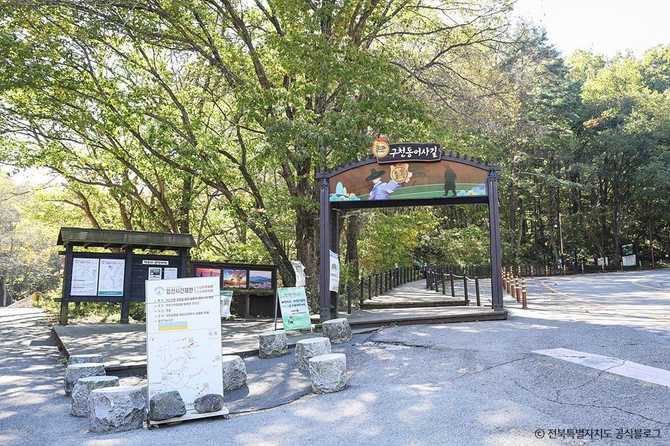
Discover Guchondong Eosa-gil: Nature & History Trail in Muju
Looking for a unique travel experience that combines scenic natural beauty with intriguing local legends? Guchondong Eosa-gil in Muju offers an unforgettable journey through pristine landscapes and historical stories, perfect for travelers seeking both relaxation and cultural enrichment.
Embark on a walk along this special trail that follows the Guchondong Valley, connecting the famous 33 Scenic Spots of Guchondong. Whether you’re a nature lover, history enthusiast, or someone seeking healing in natural surroundings, Guchondong Eosa-gil provides a perfect setting for body and mind rejuvenation. This trail is not only a scenic pathway but also a cultural journey, linked to stories of the legendary inspector Park Munsu from the novel ‘Park Munsu Jeon.’ With free admission and year-round accessibility, it is an ideal destination for all visitors interested in Korea’s natural and historical heritage.
At a glance
- Who this is for
-
- Travelers wanting to experience Korea’s natural beauty and history
- Nature and history enthusiasts seeking a healing outdoor activity
- Tourists exploring Muju’s scenic spots and cultural stories
- Anyone interested in legendary tales related to local figures
- Key takeaways
-
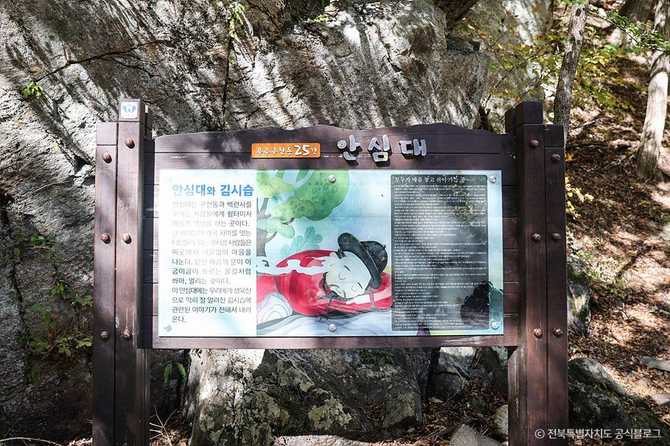
- Connected to the 33 Scenic Spots of Guchondong, from Inwol Dam to Ansimdae
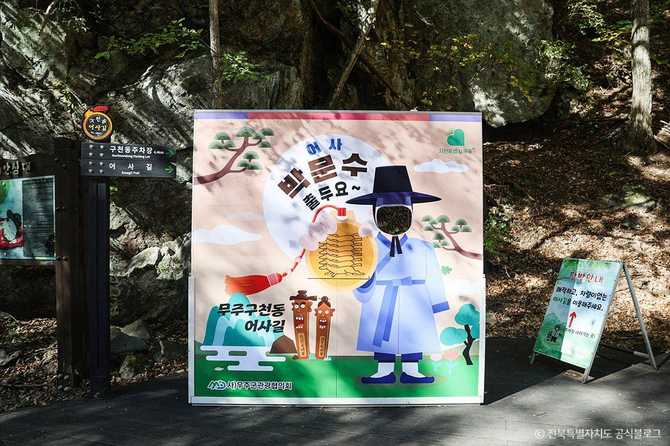
- Related to the legendary inspector Park Munsu from Korean folklore
- Offers a natural healing experience amidst pristine mountain streams and forests
- Free entry, open year-round, with seasonal operating hours
- Ideal for cultural exploration and outdoor relaxation
- Tips & cautions
-
- Check weather conditions before visiting, as natural trail conditions vary
- Wear appropriate footwear for uneven and natural terrain
- Supervise children and elderly for safety on rugged paths
- Dispose of trash responsibly to preserve the environment
- Be cautious of changing weather and natural obstacles
- Bottom line
- Guchondong Eosa-gil offers a perfect blend of Korea’s natural scenery and cultural stories, making it a must-visit for those seeking healing, history, and scenic beauty in Muju.
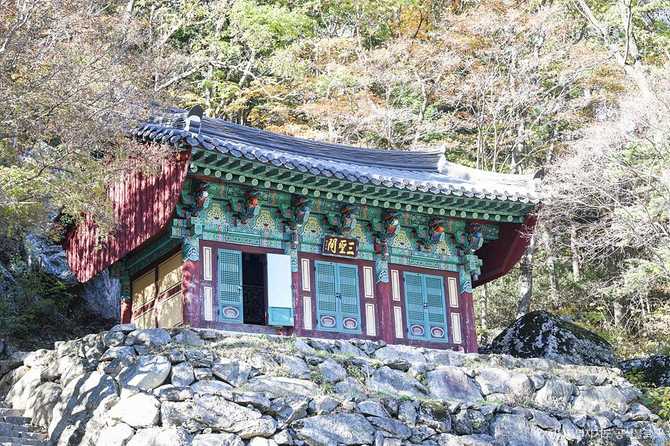
Guchondong Eosa-gil is a scenic trail nestled within the beautiful Muju Guchondong Valley, renowned for its crystal-clear streams, lush forests, and legendary stories. This trail is part of the famous 33 Scenic Spots of Guchondong, specifically connecting Inwol Dam (6th scenic spot) to Ansimdae (25th scenic spot). The path is closely tied to local legends, especially the tales of Inspector Park Munsu, a figure celebrated in Korean folklore and literature. Visitors can enjoy a peaceful walk that not only offers stunning natural views but also immerses them in Korea’s rich cultural heritage.
Whether you are a solo traveler, a family, or a group of history buffs, Guchondong Eosa-gil provides an accessible and meaningful experience. The trail is open throughout the year, with operating hours varying by season—early mornings in winter and spring, and extended hours in warmer months. Best of all, the trail is free, making it an attractive option for budget-conscious travelers. Before visiting, it’s advisable to check the weather forecast and prepare suitable gear for outdoor walking. This trail promises a rejuvenating escape into Korea’s pristine environment combined with fascinating local legends, perfect for those seeking both relaxation and cultural enrichment.
Guchondong Eosa-gil Overview & Location
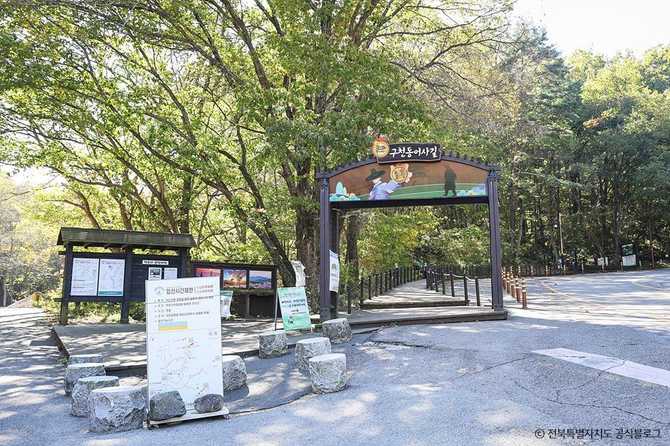
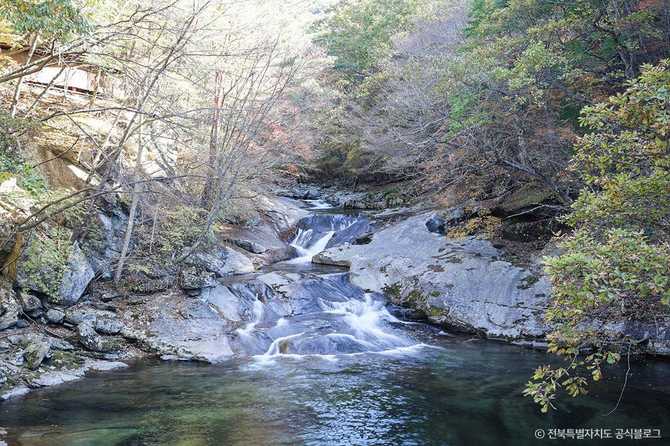
Guchondong Eosa-gil is a scenic trail nestled within the stunning Guchondong Valley in Muju, South Korea. This natural and historical pathway offers visitors a unique opportunity to immerse themselves in Korea’s rich cultural heritage while enjoying the pristine beauty of the mountain landscape. The trail connects two significant points within the 33 Scenic Spots of Guchondong—Inwol Dam (the 6th scenic spot) and Ansimdae (the 25th scenic spot)—forming a continuous route that showcases the area’s natural splendor and legendary stories. The name “Eosa-gil” hints at its historical connection to the Korean inspector, or “eosa,” Park Munsu, a legendary figure celebrated in local folklore and literature. Walking along this trail, visitors can experience the calming sounds of flowing streams, lush forests, and the scenic vistas that define the region’s unique landscape.
Designed as a natural healing path, Guchondong Eosa-gil provides a peaceful environment for relaxation, reflection, and cultural exploration. The trail’s natural terrain is well-preserved, offering an authentic experience that emphasizes harmony with nature. It is suitable for a wide range of visitors, including families, solo travelers, and history enthusiasts. The trail operates year-round, with seasonal adjustments to opening hours to accommodate weather conditions. Best of all, there is no entrance fee, making it an accessible destination for all visitors interested in Korea’s scenic beauty and cultural legends. Before planning your visit, it’s advisable to check the local weather forecast and prepare appropriate outdoor gear, as the trail’s natural environment can be unpredictable, especially during adverse weather conditions. Whether you seek a quiet walk in nature or an educational journey into Korea’s folklore, Guchondong Eosa-gil promises a memorable experience that combines natural tranquility with cultural richness.
Comparison of Guchondong Eosa-gil: Key Facts
| Feature | Details | Notes |
|---|---|---|
| Location | Guchondong Valley, Muju, South Korea | Part of the 33 Scenic Spots of Guchondong |
| Connecting Points | Inwol Dam (6th) to Ansimdae (25th) | A continuous trail linking scenic spots |
| Historical Significance | Related to the legend of inspector Park Munsu | Features local folklore and cultural stories |
| Operating Hours | April-October: 04:00-17:00 November-March: 05:00-16:00 |
Seasonal variation in hours |
| Cost | Free | Open to all visitors without charge |
| Accessibility | Year-round, suitable for all ages | Natural terrain, caution advised |
Visitor Information & Operating Hours
- Operating Seasons: Year-round, with seasonal adjustments for weather conditions.
- Spring & Summer (April-September): Open from 04:00 AM to 05:00 PM.
- Fall & Winter (October-March): Open from 05:00 AM to 04:00 PM.
- Admission Fee: Free for all visitors, making it accessible for everyone.
- Contact & Information: For the latest updates on opening hours or weather-related closures, contact the Muju Tourism Information Center at 063-320-2905 or visit the official website.
Tip:
Always check the weather forecast before visiting Guchondong Eosa-gil, especially during winter or rainy seasons. Natural trail conditions can change rapidly, and safety should be your priority. Wearing sturdy footwear and carrying necessary supplies will ensure a safe and enjoyable experience.
Safety Tips & Visitor Guidelines for Guchondong Eosa-gil
Visiting Guchondong Eosa-gil offers a wonderful opportunity to connect with Korea’s natural beauty and cultural heritage. However, because the trail is a natural environment, it’s important to prioritize safety and follow some essential guidelines to ensure a smooth and enjoyable experience. Here are key safety tips and visitor guidelines to keep in mind before and during your walk along this scenic trail:
- Check Weather Conditions: Always review the latest weather forecast before your visit. Sudden rain, snow, or fog can make the trail slippery and hazardous.
- Wear Appropriate Footwear: Use sturdy, non-slip shoes suitable for uneven and natural terrain to prevent slips and falls.
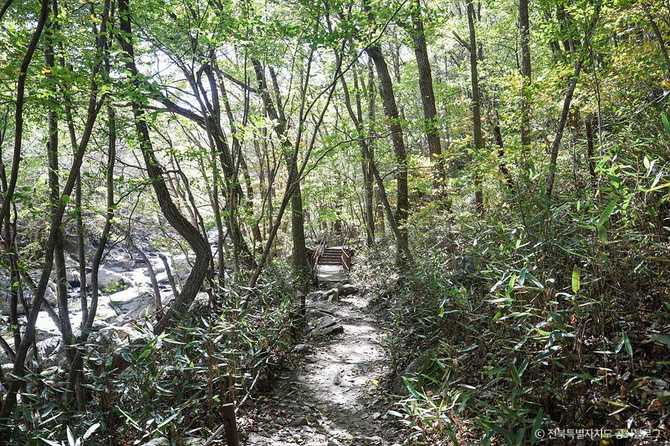
- Be Mindful of Natural Terrain: The trail maintains its natural state, so watch your step on rocks, roots, and muddy sections.
- Supervise Children and Elderly: Keep children and elderly companions close, and assist them on difficult sections to avoid accidents.
- Respect the Environment: Dispose of trash responsibly and avoid damaging plants or disturbing wildlife to preserve the natural beauty.
- Carry Safety Equipment: Bring essentials such as a first aid kit, water, and a fully charged mobile phone for emergencies.
- Stay on Designated Paths: Do not venture off the marked trail to prevent getting lost or encountering unsafe areas.
- Be Prepared for Changing Weather: Dress in layers and carry rain gear or sun protection depending on the season.
- Emergency Contacts: In case of accidents or emergencies, contact the local rescue services at 119 or visit the nearest information center.
Guchondong Eosa-gil Visitor Experience Checklist
- Confirm weather forecast and trail conditions before your visit.
- Wear sturdy, comfortable hiking shoes suitable for uneven terrain.
- Pack essentials: water, snacks, first aid kit, and weather-appropriate clothing.
- Check operating hours for the season you plan to visit (04:00-17:00 in April-October, 05:00-16:00 in November-March).
- Ensure your mobile device is fully charged for navigation and emergencies.
- Respect the natural environment by disposing of trash properly.
- Stay on designated paths to avoid accidents and protect the ecosystem.
- Keep children and elderly close and supervise them at all times.
- Be aware of local emergency numbers (119) and nearest assistance points.
- Enjoy the scenic views, listen to the sounds of nature, and immerse yourself in Korea’s cultural stories linked to the trail.
Whether you visit during the day or evening, Discover Guchondong Eosa is a meaningful stop on any Seoul itinerary for history-minded travelers.
Frequently Asked Questions (FAQ)
Q1: What natural scenery can I expect to see on Guchondong Eosa-gil?
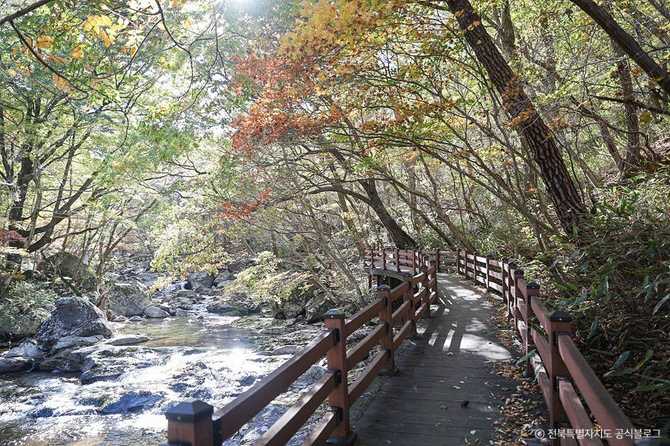
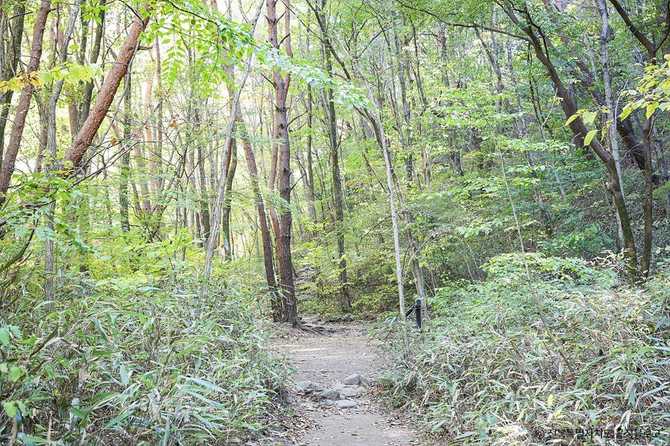
Guchondong Eosa-gil features clear mountain streams, lush forests, and scenic views of the Guchondong Valley. Visitors can enjoy the tranquil sounds of flowing water and vibrant greenery throughout the trail.
Q2: What are the operating hours of Guchondong Eosa-gil?
The trail is open year-round with seasonal hours: from 04:00 AM to 05:00 PM in April to September, and from 05:00 AM to 04:00 PM from October to March. It is recommended to check weather conditions before visiting.
Q3: Is there an entrance fee for Guchondong Eosa-gil?
No, Guchondong Eosa-gil is free to access, allowing visitors to enjoy the natural and cultural scenery without any charge.
Q4: What safety precautions should I take when visiting Guchondong Eosa-gil?
Wear sturdy, non-slip shoes suitable for uneven terrain and check weather conditions beforehand. Supervise children and elderly, and be cautious of natural obstacles like rocks and roots to prevent accidents.
Q5: How is Guchondong Eosa-gil connected to local legends?
The trail is associated with stories of the legendary inspector Park Munsu, featured in the Korean novel ‘Park Munsu Jeon.’ It offers a cultural experience through its connection to these historical and folkloric tales.
Q6: What should I prepare before visiting Guchondong Eosa-gil?
Check the weather forecast and dress appropriately for outdoor walking. Carry necessary supplies such as water, snacks, and safety gear, and review safety guidelines to ensure a safe visit.
Closing Remarks: Experience the Unique Charm of Guchondong Eosa-gil
Visiting Guchondong Eosa-gil offers an exceptional opportunity to immerse yourself in Korea’s rich natural landscapes and captivating historical stories. This scenic trail in Muju is more than just a walk through beautiful mountain streams and lush forests; it is a journey into Korea’s cultural heritage, connected to legendary figures like inspector Park Munsu. Whether you seek tranquility, cultural enrichment, or a meaningful outdoor experience, Guchondong Eosa-gil provides a perfect setting to rejuvenate your body and mind. Its accessibility and free admission make it an attractive destination for travelers of all ages and interests. Remember to check the weather and operating hours before your visit to ensure a safe and enjoyable experience. By exploring this trail, you will not only witness stunning natural scenery but also connect with Korea’s fascinating legends and traditions. Make sure to prepare appropriately, respect the environment, and take your time to truly enjoy the serenity and cultural depth that Guchondong Eosa-gil offers. Your memorable journey through Korea’s natural and historical treasures awaits.