

Discover the National Jeongdong Theater: Korea’s Cultural Landmark
Are you looking to experience Korea’s rich cultural heritage through traditional and contemporary performances? The National Jeongdong Theater in Seoul offers a unique opportunity to enjoy Korea’s vibrant performing arts scene, blending historical traditions with modern creativity. As a premier cultural venue, the theater hosts a diverse array of performances, from traditional Korean plays to innovative modern productions, making it a must-visit for culture enthusiasts and tourists alike.
In this guide, you’ll find comprehensive information about the history, role, location, and operational details of the National Jeongdong Theater. Whether you’re a visitor interested in Korean culture, a performer seeking inspiration, or a cultural professional, understanding the theater’s offerings and logistics will enhance your experience. The theater, established in 1995 and located in the heart of Seoul’s historic Jeongdong area, serves as a hub for Korea’s cultural expression, supporting both traditional arts and contemporary creative projects.
At a glance
- Who this is for
-
- Visitors interested in Korean traditional and modern performing arts
- Performers and cultural arts professionals
- Tourists exploring Seoul’s cultural sites
- Anyone seeking immersive cultural experiences in Korea
- Key takeaways
-
- Established in 1995 as Korea’s first modern-style theater
- Located at 43 Jeongdong-gil, Seoul
- Hosts year-round traditional, modern, and creative performances
- Supports emerging artists and innovative productions
- Operates with regular shows and special seasonal programs
- Tips & cautions
-
- Check the official website for performance schedules and ticketing info
- Make reservations early for popular shows
- Note that opening hours and holidays vary; verify in advance
- Arrive early to enjoy pre-show exhibitions or cultural activities
- Bottom line
- The National Jeongdong Theater is a key cultural venue that beautifully showcases Korea’s traditional and modern performing arts, enriching visitors’ cultural experiences in Seoul.
The National Jeongdong Theater stands as a pillar of Korea’s cultural landscape, blending historical preservation with contemporary artistic expression. Since its opening in 1995, it has played a vital role in revitalizing Korea’s performing arts scene, offering a platform for traditional Korean performances such as pansori, mask dances, and folk plays, alongside modern theater productions and creative works. Its strategic location in Seoul’s historic Jeongdong area makes it accessible and appealing to both domestic and international visitors seeking authentic cultural immersion.

The theater not only provides entertainment but also actively supports emerging artists by discovering and nurturing new talent through its production programs. Its year-round schedule includes regular performances, special seasonal shows, and themed festivals, making it a dynamic venue for cultural exchange and artistic innovation. Visitors can enjoy a variety of genres, from traditional Korean arts to contemporary theater, all within a space dedicated to cultural preservation and creative growth.
For travelers planning their cultural itinerary in Seoul, understanding the theater’s operational hours, ticketing procedures, and performance schedules is essential. The theater’s commitment to accessibility and cultural education makes it a valuable destination for those eager to deepen their understanding of Korea’s artistic heritage. Whether attending a traditional performance or a modern play, visitors are guaranteed a memorable experience that highlights Korea’s rich cultural tapestry.
Overview and History of the National Jeongdong Theater
The National Jeongdong Theater is a prominent cultural venue in Seoul, dedicated to showcasing Korea’s rich heritage through traditional and contemporary performing arts. Established in 1995, this theater plays a vital role in preserving Korea’s cultural legacy while fostering innovation within the arts scene. As Korea’s first modern-style theater built on the site of the historic “Won Gak Sa” theater, it symbolizes a bridge between Korea’s past and present. Its location in the heart of Seoul’s historic Jeongdong area makes it easily accessible for both locals and international visitors seeking authentic cultural experiences.
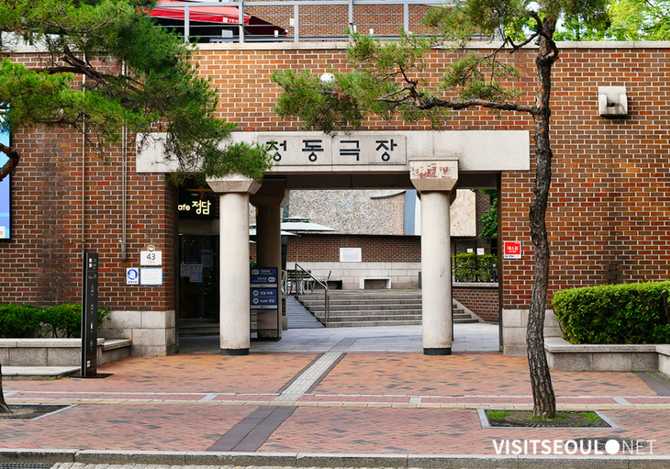
The history of the National Jeongdong Theater is intertwined with Korea’s modern cultural revival. The theater was constructed as part of efforts to restore and modernize Korea’s traditional performing arts venues, which had suffered during the Japanese occupation and the subsequent modernization process. Its opening in 1995 marked a new chapter for Korea’s performing arts, emphasizing the importance of cultural preservation while embracing artistic innovation. The theater’s mission includes promoting traditional Korean arts such as pansori, mask dance dramas, and folk plays, alongside supporting contemporary and experimental theater productions.
Over the years, the National Jeongdong Theater has become a hub for cultural exchange and artistic development. It hosts a diverse array of performances throughout the year, including seasonal festivals, special exhibitions, and educational programs. Its commitment to nurturing emerging artists is reflected in its support for new works and innovative productions. The theater also actively participates in international cultural exchanges, inviting foreign artists and performers to collaborate and showcase Korean arts abroad. This combination of preservation and innovation makes the National Jeongdong Theater a vital institution for Korea’s cultural landscape, continuously contributing to the revival and evolution of Korea’s performing arts scene.
Performances and Cultural Programs Comparison
| Category | Details |
|---|---|
| Performance Types | Traditional Korean performances (e.g., pansori, mask dances), modern theater, creative and experimental productions |
| Seasonality | Year-round performances, including seasonal festivals, special exhibitions, and themed events |
| Support for Artists | Focus on discovering and nurturing emerging artists and new works; supports creative collaborations |
| Audience Engagement | Interactive programs, educational workshops, and cultural exchange initiatives |
| Performance Venues | Main theater hall, smaller experimental stages, and outdoor spaces for festivals |
Visitor Information and Location Checklist
- Location: 43 Jeongdong-gil, Jung-gu, Seoul, South Korea
- Accessibility: Located in Seoul’s historic Jeongdong area, easily accessible via public transportation, including subway lines and bus routes.
- Opening Hours: Typically open from 09:00 to 18:00 on weekdays; hours may vary depending on performance schedules.
- Closed Days: Regularly closed on Mondays; special holidays or events may affect operating days.
- Tickets: Available for purchase online through the official website or on-site; early booking recommended for popular shows.
- Parking: Limited parking available nearby; public transportation is highly recommended.
- Additional Tips: Check the official website for detailed performance schedules, ticket prices, and any special events. Arrive early to enjoy pre-show exhibitions or cultural activities.
Operational Hours and Holidays of the National Jeongdong Theater
| Category | Details |
|---|---|
| Regular Operating Hours | Monday to Friday: 09:00 – 18:00 Hours may vary depending on performance schedules |
| Closed Days | Every Monday Additional closures during public holidays or special events |
| Performance Times | Performance schedules are announced on the official website and vary by show |
Visitor Checklist for Attending the National Jeongdong Theater
- Check Performance Schedule: Visit the official website to confirm show dates, times, and availability before your visit.
- Book Tickets in Advance: Reserve your seats online or by phone to secure entry, especially for popular performances.
- Verify Operating Hours and Closures: Confirm opening hours and holiday closures to plan your visit accordingly.
- Arrive Early: Arrive at least 30 minutes before the performance begins to enjoy pre-show exhibitions or cultural activities.
- Transportation Planning: Use public transportation, as parking is limited near the theater. Check subway and bus routes to the venue.
- Prepare for Cultural Etiquette: Follow local customs, such as turning off mobile phones and respecting performers and other visitors.
- Bring Necessary Items: Carry your ticket confirmation, ID, and any required masks or health documentation if applicable.
- Review Accessibility Options: If needed, check for accessible entrances or assistance services available at the venue.
- Stay Informed: Keep an eye on the official website or social media channels for last-minute updates or changes.
Whether you visit during the day or evening, Discover the National Jeongdong Theater is a meaningful stop on any Seoul itinerary for history-minded travelers.
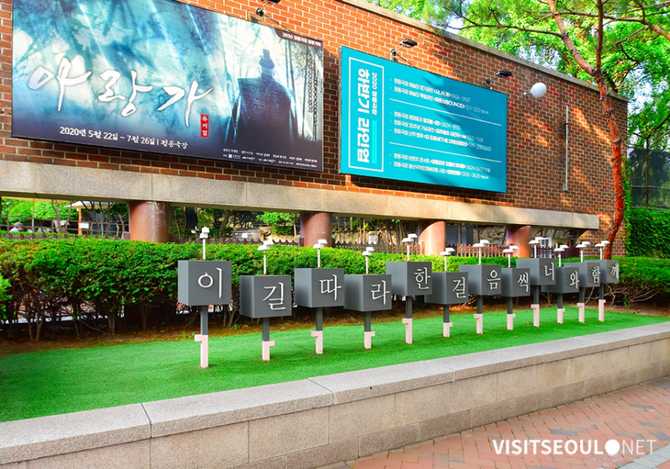
Frequently Asked Questions (FAQ)
Q1: When was the National Jeongdong Theater established?
The National Jeongdong Theater was established in 1995, marking Korea’s first modern-style theater built on the site of the historic Won Gak Sa theater.
Q2: What types of performances can I see at the National Jeongdong Theater?
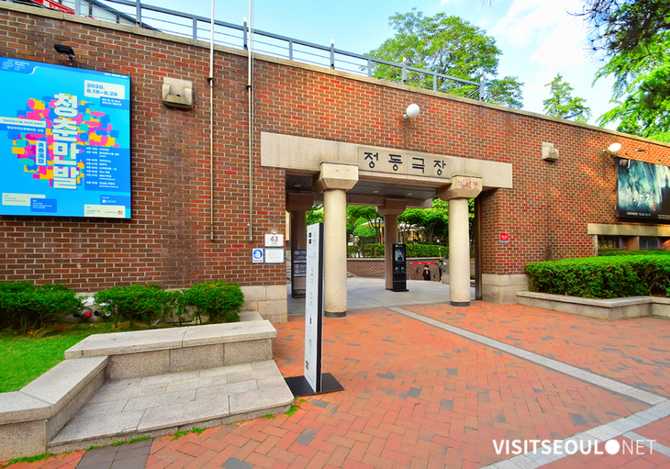
The theater hosts traditional Korean performances such as pansori and mask dances, as well as modern and experimental theater productions, available year-round.
Q3: How can I find the performance schedule and ticket information?
Performance schedules and ticket prices are available on the official website. It is recommended to book tickets in advance, especially for popular shows.

Q4: Where is the National Jeongdong Theater located?
The theater is located at 43 Jeongdong-gil, Jung-gu, Seoul, in the historic Jeongdong area, easily accessible by public transportation.
Q5: What are the operating hours and regular holidays of the theater?

The theater generally operates from 09:00 to 18:00 on weekdays and is closed every Monday. Hours may vary depending on performance schedules and special events.
Q6: What should I keep in mind before visiting the National Jeongdong Theater?
It is advisable to check the latest performance schedule and seat availability on the official website before your visit. Arriving early allows time for pre-show activities and cultural exhibitions.
Closing Remarks on Visiting the National Jeongdong Theater
Visiting the National Jeongdong Theater offers a unique opportunity to immerse yourself in Korea’s rich cultural heritage through a diverse range of performances and programs. Since its establishment in 1995, this theater has played a vital role in preserving traditional Korean arts while fostering contemporary creativity. Whether you are interested in traditional performances such as pansori and mask dances or modern theater productions, the theater provides a comprehensive platform for experiencing Korea’s artistic evolution. Its strategic location in Seoul’s historic Jeongdong area makes it easily accessible for tourists and locals alike, ensuring a convenient cultural escape in the heart of the city.
To make the most of your visit, it is highly recommended to check the official website for the latest performance schedules, ticketing options, and any special events. Arriving early and securing reservations in advance can greatly enhance your experience, especially during peak seasons. Remember to verify operating hours and holiday closures before your visit, as these may vary depending on the performance calendar. The National Jeongdong Theater continues to serve as a cornerstone of Korea’s cultural scene, offering unforgettable performances that celebrate both tradition and innovation. A visit here promises not only entertainment but also a deeper appreciation of Korea’s vibrant arts and cultural identity, making it a must-see destination for anyone eager to explore Korea’s artistic soul.