
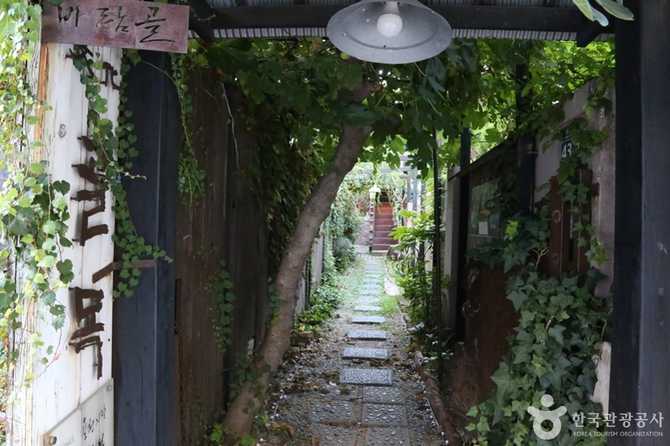
Discover Busan Cultural Alley: A Premier Urban Regeneration and Cultural Space
Are you looking to explore a vibrant cultural hub that showcases Korea’s urban renewal and local arts? Busan Cultural Alley offers an immersive experience into the city’s dynamic blend of history, modern art, and community-driven spaces. This guide provides essential information for visitors eager to understand the significance of Busan Cultural Alley, its unique features, and practical tips for an enriching visit.
At a glance
- Who this is for
-
- Travelers interested in urban regeneration projects
- Cultural enthusiasts seeking local art and performances
- Visitors wanting to explore Korea’s contemporary cultural spaces
- Tourists aiming for a unique, authentic experience in Busan
- Key takeaways
-
- Established as a cultural hub since 2004, revitalized through urban renewal efforts
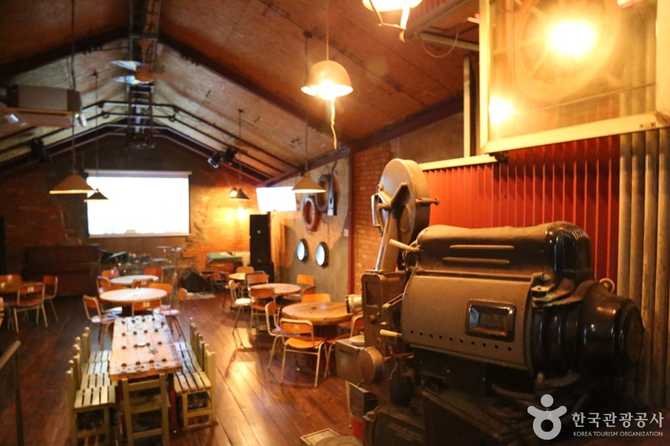
- Features diverse cultural facilities including galleries, theaters, cafes, and bars
- Built on approximately 1,000㎡ of land, showcasing eco-friendly remodeling
- Popular among young people and tourists as a must-visit cultural destination
- Accessible via public transportation, with no dedicated parking available
- Tips & cautions
-
- Check operating hours and holiday schedules of individual venues before visiting
- Use public transit or walk, as parking is limited
- Respect the preservation of historic buildings during your visit
- Enjoy local food and drinks at various cafes and bars within the alley
- Bottom line
- Busan Cultural Alley exemplifies successful urban regeneration, offering visitors a vibrant, eco-friendly space to experience Korea’s contemporary culture and history.
Busan Cultural Alley is not just a tourist spot but a living testament to how urban spaces can be transformed through community-driven projects and sustainable design. Since its inception in 2004, this cultural space has evolved into a lively hub where art, history, and community intersect. Visitors can explore a variety of facilities, including intimate theaters, art galleries, cozy cafes, and traditional-style bars, all housed within buildings that blend modern remodeling with historic preservation.
This guide aims to equip travelers with comprehensive insights into Busan Cultural Alley, highlighting its historical background, architectural features, and practical visiting tips. Whether you are an art lover, a history buff, or simply seeking a unique cultural experience in Korea’s second-largest city, this location offers a compelling mix of tradition and modernity. Discover how urban renewal projects can breathe new life into old neighborhoods, creating spaces that foster community, creativity, and tourism.

Overview of Busan Cultural Alley: A Model for Urban Regeneration and Cultural Innovation
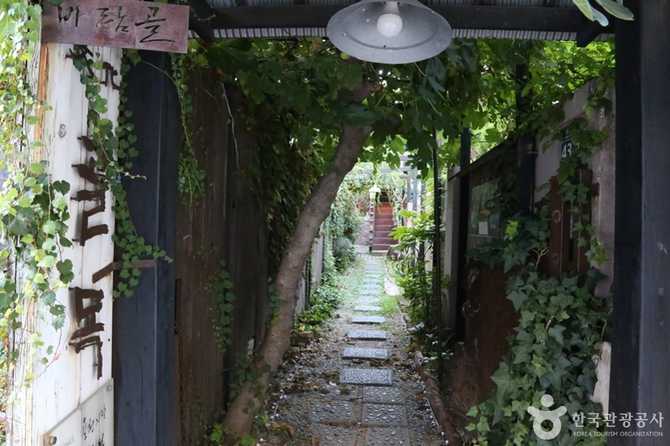
Busan Cultural Alley stands as a prime example of successful urban regeneration and cultural revitalization in South Korea. Located in the Nam-gu district of Busan, this vibrant area has transformed from a traditional residential neighborhood into a dynamic cultural hub that combines historical preservation with modern artistic expression. Since its inception in 2004, the alley has evolved into a lively space where local artists, performers, and community members come together to celebrate Korea’s contemporary culture while honoring its historical roots. The focus keyword, Busan Cultural Alley, encapsulates this unique blend of past and present, making it a must-visit destination for travelers interested in urban renewal projects and cultural spaces.
The development of Busan Cultural Alley was driven by a vision to breathe new life into aging buildings and neglected neighborhoods through sustainable, community-centered initiatives. Architect and urban planner Choi Yoon-sik spearheaded the project, emphasizing the importance of preserving architectural heritage while incorporating eco-friendly remodeling techniques. Over the years, the alley has seen significant improvements, including the renovation of traditional brick structures, the addition of contemporary facades, and the creation of versatile cultural facilities such as galleries, theaters, cafes, and bars. These efforts have not only revitalized the physical space but also fostered a sense of community and cultural pride among residents and visitors alike.
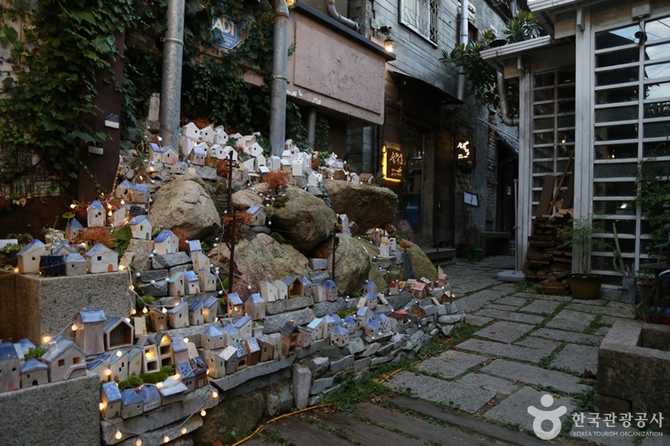
Today, Busan Cultural Alley is renowned for its diverse cultural offerings, including art exhibitions, live performances, and local food experiences. It serves as a living laboratory for urban renewal, demonstrating how creative reuse of old buildings can promote tourism, support local artists, and stimulate economic growth. Its success has inspired similar projects across Korea and beyond, highlighting the importance of integrating cultural initiatives into city planning. Whether exploring its galleries, attending a performance, or simply strolling through its picturesque streets, visitors can appreciate how Busan Cultural Alley exemplifies innovative urban regeneration and cultural development.
Comparison of Key Features and Facilities of Busan Cultural Alley
| Facility Type | Main Features | Highlights |
|---|---|---|
| Performance Venues | Small theaters and live performance spaces | ‘Yongcheonjirul’ Theater with 80 seats for local shows |
| Art Galleries | Exhibition spaces showcasing local artwork | Gallery ‘Seokryu-won’ displaying regional art pieces |
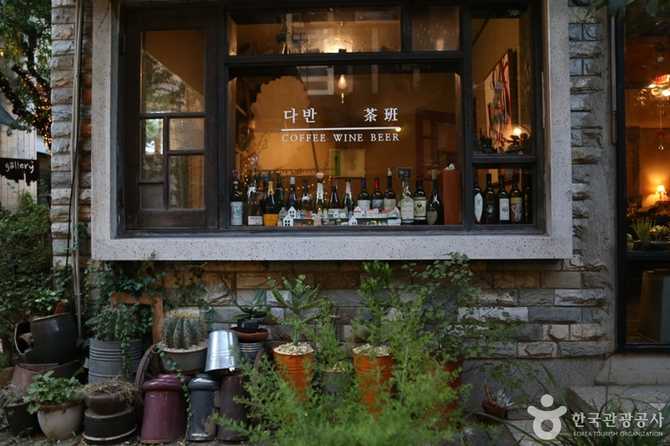
| Cafes | Cozy spaces for coffee, tea, and cultural exchange | Daban Café offering a relaxing environment for visitors |
| Bars and Pubs | Traditional and themed bars | Mongro, Gobang, Seka – Japanese-style and Oriental bars |
| Remodeling & Architecture | Eco-friendly renovation of old buildings | Use of recycled materials, preservation of original structures |
Urban Renewal and Architectural Remodeling of Busan Cultural Alley: A Practical Checklist
- Assess the historic value: Identify buildings with cultural and architectural significance that should be preserved.
- Plan eco-friendly renovations: Use recycled and sustainable materials to minimize environmental impact.
- Maintain architectural integrity: Retain original facades and structural elements during remodeling.
- Incorporate modern features: Add contemporary facades, lighting, and facilities that blend with old structures.
- Community involvement: Engage local residents and artists in planning and design processes.
- Design flexible spaces: Create multi-purpose venues that can host performances, exhibitions, and community events.
- Ensure accessibility: Make pathways and entrances accessible for all visitors.
Visiting Tips and Practical Information for Busan Cultural Alley
| Aspect | Details |
|---|---|
| Accessibility | Accessible via Bus or Subway; nearest bus stops and subway stations are within walking distance |
| Transportation Tips | Use public transportation for convenience; consider cycling or walking around the area |
| Parking | No dedicated parking facilities; recommend using nearby public parking lots or public transit |
| Operating Hours | Varies by venue; check individual opening hours before visiting |
| Best Visiting Times | Weekdays and weekends; evenings are lively with performances and events |
| Visitor Tips | Plan to explore multiple facilities; participate in local workshops and cultural events for a richer experience |
Current Popularity and Future Outlook of Busan Cultural Alley
- Growing popularity: Continues to attract young visitors, artists, and tourists seeking authentic cultural experiences in Busan.
- Community engagement: Increasing participation from local artists and cultural organizations, enriching the diversity of programs offered.
- Sustainable development: Emphasis on eco-friendly remodeling and preservation of historical architecture to maintain its charm and authenticity.
- Expansion plans: Potential for additional cultural facilities, outdoor performance spaces, and art markets to enhance visitor experience.
- Recognition and awards: Gaining attention as a model for urban regeneration and cultural innovation, inspiring similar projects nationwide.
Whether you visit during the day or evening, Discover Busan Cultural Alley is a meaningful stop on any Seoul itinerary for history-minded travelers.
Frequently Asked Questions (FAQ)
Q1: When did Busan Cultural Alley officially open to the public?
An: Busan Cultural Alley officially opened in 2008, after being developed as a cultural and urban renewal project since 2004.
Q2: What is the size of the land area of Busan Cultural Alley?
An: The cultural alley covers approximately 1,000 square meters, comprising multiple buildings and interconnected streets.

Q3: What types of cultural facilities are available at Busan Cultural Alley?
An: The alley features performance venues, art galleries, cafes, bars, and community spaces that host exhibitions, performances, and cultural events.
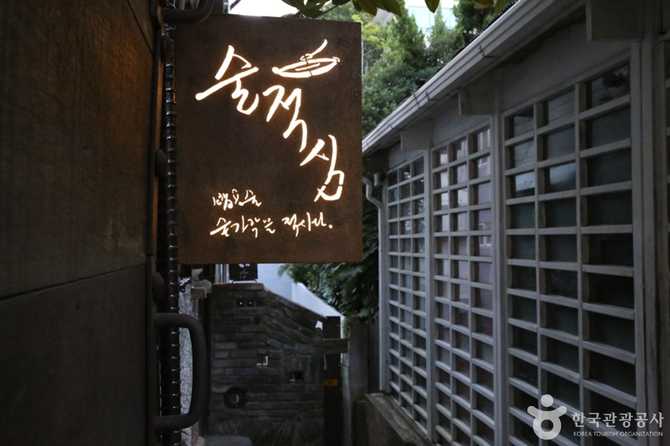
Q4: How have the buildings at Busan Cultural Alley been remodeled?
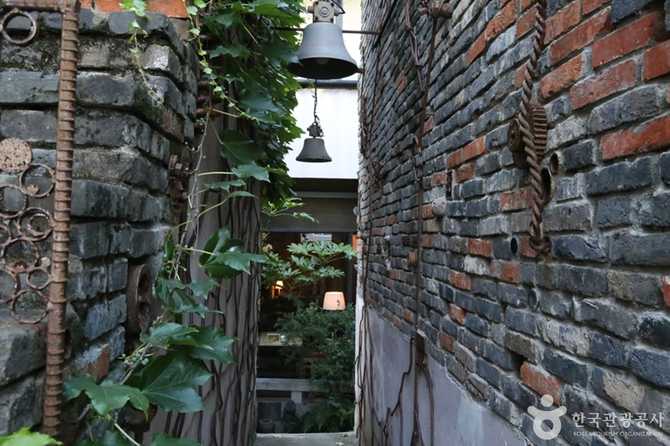
An: The buildings have been preserved in their original form while incorporating eco-friendly renovations, such as recycled materials and modern facades, to blend tradition with contemporary design.

Q5: Is there parking available at Busan Cultural Alley?

An: No dedicated parking facilities are available; visitors are encouraged to use public transportation or walk to the site.
Q6: Who is the ideal visitor for Busan Cultural Alley?
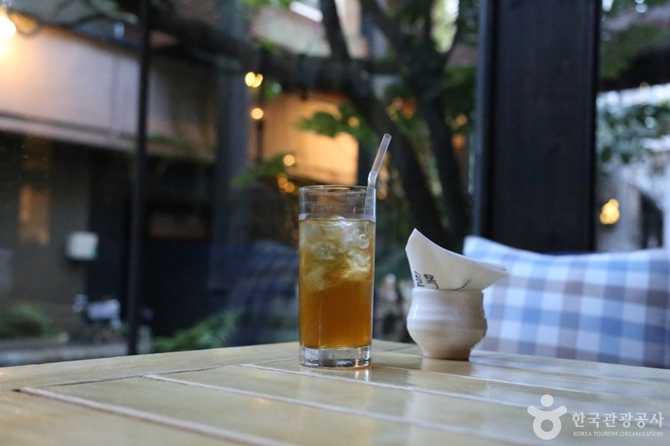
An: It is suitable for travelers interested in urban renewal, local arts, cultural performances, and those seeking an authentic experience of Korea’s contemporary cultural scene.
Final Thoughts on Exploring Busan Cultural Alley
Visiting Busan Cultural Alley offers a unique opportunity to experience Korea’s vibrant urban renewal and cultural innovation firsthand. This dynamic space exemplifies how thoughtful preservation and sustainable remodeling can transform old neighborhoods into lively hubs of art, community, and history. As you explore the alley’s charming galleries, performance venues, cozy cafes, and traditional bars, you’ll discover a seamless blend of the past and present that captures the spirit of modern Busan. Whether you’re a cultural enthusiast, a history lover, or simply seeking an authentic local experience, this area provides a rich tapestry of sights, sounds, and flavors that reflect Korea’s creative energy and commitment to sustainable urban development.
Remember that Busan Cultural Alley is more than just a tourist attraction; it’s a living, breathing community space that continues to evolve through the efforts of local artists, residents, and city planners. By supporting its small businesses, attending cultural events, and respecting its historic architecture, visitors contribute to the ongoing success of this innovative project. Planning your visit with attention to opening hours and transportation options will ensure a smooth and enjoyable experience. Ultimately, exploring this cultural alley allows you to witness firsthand how Korea’s cities are embracing their heritage while fostering creativity and sustainability for future generations. Make sure to include it in your itinerary to gain a deeper understanding of Busan’s rich cultural landscape and urban renewal achievements.