
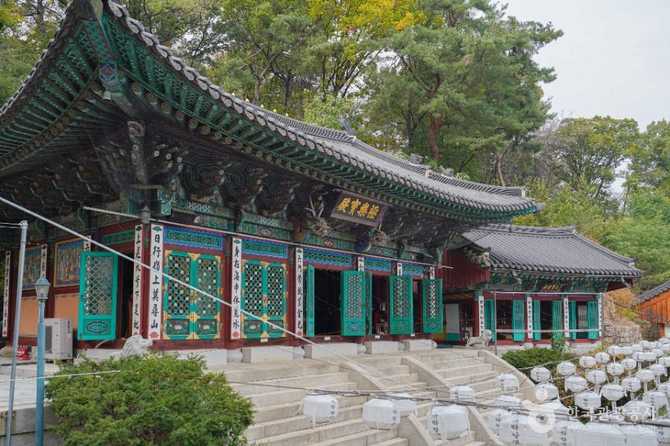
Explore Gyeongguksa Temple in Seoul: A Historic Buddhist Heritage Site
Discover the rich history and cultural significance of Gyeongguksa Temple, one of Seoul’s most treasured Buddhist sites. Whether you’re interested in Korea’s spiritual traditions, historical architecture, or cultural heritage, visiting Gyeongguksa offers a meaningful experience that connects you with Korea’s ancient past and vibrant Buddhist practices.
Located in the heart of Seoul, Gyeongguksa Temple has been a sacred place since its founding in 1325. This historic temple embodies centuries of Korean Buddhist tradition, featuring important cultural relics, beautiful architecture, and tranquil surroundings. Visitors can immerse themselves in the serenity of the temple grounds, learn about Korea’s spiritual history, and participate in traditional temple programs such as templestay experiences.
As a site of cultural and religious importance, Gyeongguksa offers insights into Korea’s Buddhist heritage, including its teachings, rituals, and historical events. The temple’s key features include the Jowundae Buddha relic pagoda, built in 2005, and the 1698 Cheontae Seongjeon Hall, a significant historical structure. Whether you’re a history enthusiast, a spiritual seeker, or a cultural explorer, Gyeongguksa provides a unique window into Korea’s Buddhist legacy.
At a glance
- Who this is for
-
- Travelers interested in Korea’s religious and cultural history
- Visitors seeking a peaceful spiritual experience in Seoul
- Those planning a cultural heritage exploration in Korea
- Individuals wanting to learn about Korean Buddhism and traditions
- Key takeaways
-
- Founded in 1325 by Jashil Yulsa
- Major events include renaming in 1545 and reconstruction in 1698
- Features cultural relics like Jowundae Buddha Pagoda and Cheontae Seongjeon Hall
- Open year-round, 09:00–18:00, free admission
- Offers templestay and cultural experience programs
- Tips & cautions
-
- Pre-book experience programs, especially templestays
- Dress modestly and comfortably when visiting
- Respect temple customs and maintain quietude within grounds
- Check special event schedules before your visit
- Bottom line
- Gyeongguksa Temple is a must-visit site to experience Seoul’s deep Buddhist heritage and cultural traditions.
Seoul’s Gyeongguksa Temple stands as a testament to Korea’s spiritual and cultural history, offering visitors a chance to connect with centuries-old Buddhist practices. Established in 1325 by the renowned monk Jashil Yulsa, the temple has played a vital role in Korea’s religious landscape for nearly 700 years. Its historical significance is marked by key events such as its renaming in 1545 at the request of the royal family and subsequent reconstructions, notably the 1698 restoration of Cheontae Seongjeon Hall.
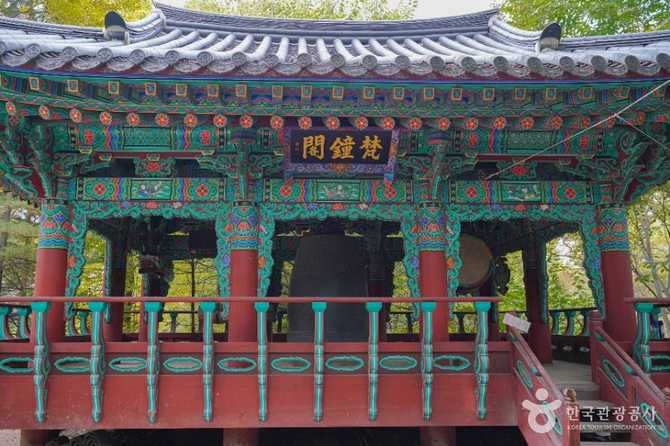
Today, Gyeongguksa is not only a place of worship but also a cultural treasure trove, housing important relics like the Jowundae Buddha Pagoda, built in 2005, and the historic Cheontae Seongjeon Hall. Visitors can explore these architectural gems, enjoy the tranquil atmosphere, and participate in traditional temple programs such as templestay experiences designed to offer a glimpse into monastic life. Its accessible location in Seoul makes it an ideal destination for those interested in Korea’s spiritual heritage, history, and traditional culture.
Gyeongguksa Temple Overview
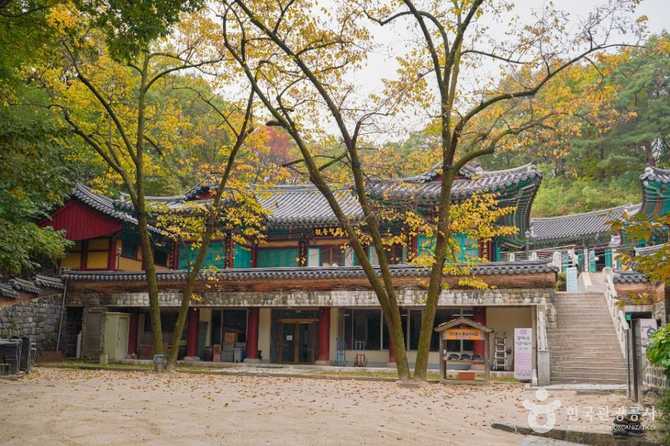
Gyeongguksa Temple in Seoul stands as a prominent symbol of Korea’s rich Buddhist heritage and historical tradition. Established in 1325, this ancient temple has served as an important spiritual and cultural center for centuries. Located in the vibrant district of Seongbuk-gu, Gyeongguksa offers visitors a peaceful retreat amid the bustling city, providing a unique opportunity to explore Korea’s religious history firsthand. The temple’s name, meaning “National Palace of Korea,” reflects its historical significance and its role in Korean Buddhism.

Throughout its long history, Gyeongguksa has undergone numerous renovations and name changes, notably being renamed in 1545 at the request of the royal family, which elevated its status as a national religious site. The temple is renowned for its traditional architecture, including the main hall, the Cheontae Seongjeon, built in 1698, and the Jowundae Buddha relic pagoda, erected in 2005. These cultural relics embody Korea’s Buddhist art and architectural excellence.
Today, Gyeongguksa continues to serve as a place of worship, cultural preservation, and education. It offers various programs such as templestay experiences, meditation sessions, and cultural events that allow visitors to engage deeply with Korean Buddhism. The serene environment, combined with its historic relics and scenic surroundings, makes Gyeongguksa a must-visit destination for those interested in Korea’s spiritual traditions and cultural history. Whether you are a history enthusiast, a spiritual seeker, or a curious traveler, Gyeongguksa provides an authentic glimpse into Korea’s Buddhist legacy and its ongoing cultural significance.
Comparison of Key Cultural Heritage Sites at Gyeongguksa
| Heritage Site / Cultural Relic | Construction Year | Historical Significance | Current Status |
|---|---|---|---|
| Jowundae Buddha Relic Pagoda | 2005 | Houses sacred relics of Buddha, symbolizing Korea’s Buddhist history and devotion. | Restored and well-preserved, open to visitors and pilgrims. |
| Cheontae Seongjeon Hall | 1698 | Main hall for Buddhist ceremonies, representing the architectural style of late 17th-century Korea. | Restored multiple times, serving as a focal point for worship and cultural events. |
| Historical Site: Name Change in 1545 | 1545 | Marks the official renaming of the temple, signifying its importance in national history. | Recognized as a cultural heritage site, preserved through restoration efforts. |
This comparison highlights the significance of Gyeongguksa’s main relics and structures, illustrating its historical depth and ongoing preservation efforts. Visitors can appreciate the architectural beauty and cultural importance of each site, gaining insight into Korea’s Buddhist traditions and history.

Gyeongguksa Visiting Checklist & Tips
- Check the opening hours: Gyeongguksa is open year-round from 09:00 to 18:00. No holidays, so plan your visit accordingly.
- Admission: Free entry, but some special programs or events may require prior reservation.
- Transportation: The temple is accessible via public transportation; the nearest subway station is Sungbuk Station (Line 4), about a 15-minute walk.
- Parking: Available on-site, but parking spaces are limited during peak seasons. Consider using public transit for convenience.
- Experience Programs: Temples stay programs (Templestay) are popular; pre-booking is highly recommended to secure your spot.
- Dress code & etiquette: Wear modest and comfortable clothing. Maintain silence and show respect within the temple grounds.
- Special Events & Festivals: Check the temple’s official schedule for seasonal festivals, ceremonies, and special cultural events.
Gyeongguksa Visiting Information and Programs
Gyeongguksa Temple offers a variety of cultural and spiritual programs designed to deepen visitors’ understanding of Korean Buddhism and traditional practices. These programs include templestay experiences, meditation sessions, and cultural workshops. To ensure a smooth visit, it is recommended to make reservations in advance, especially for popular activities like templestays. The temple’s facilities are well-maintained, and staff are friendly, making for an enriching experience in a serene environment.
| Program / Service | Details | Reservation Info |
|---|---|---|
| Templestay Programs | Experience monastic life through meditation, tea ceremony, and temple meals. Available in both relaxation and participation formats. | Pre-book online or via phone. Visit the official website for schedules and availability. |
| Cultural Workshops | Participate in traditional crafts, calligraphy, and Buddhist rituals. Suitable for all ages. | Advance reservation recommended through the temple’s contact channels. |
| Meditation Sessions | Join guided meditation to experience Korean Buddhist mindfulness practices. | No reservation needed for regular sessions; arrive a few minutes early. |
Gyeongguksa Experience Programs and Events Checklist
- Pre-book your programs: Reserve your templestay, workshops, or meditation sessions in advance to secure your spot.
- Arrive early: For meditation and certain cultural activities, arriving 10-15 minutes before the scheduled start ensures a calm participation.
- Dress appropriately: Wear modest, comfortable clothing suitable for meditation or participation in traditional activities.
- Bring necessary items: Personal items such as a water bottle, notebook, or writing tools may be helpful, depending on the program.
- Respect temple etiquette: Maintain silence during programs, follow instructions from staff, and show respectful behavior throughout your visit.
- Check event schedules: Review the temple’s official website or contact the staff to confirm dates for seasonal festivals, special ceremonies, or unique cultural events.
- Participate actively: Engage fully in the experience to gain the most from your cultural immersion at Gyeongguksa.
- Share feedback: After participating, consider sharing your experience or completing a feedback form if available, to help improve future programs.
Whether you visit during the day or evening, Explore Gyeongguksa Temple in Seoul is a meaningful stop on any Seoul itinerary for history-minded travelers.
Frequently Asked Questions (FAQ)
Q1: When was Gyeongguksa Temple founded?
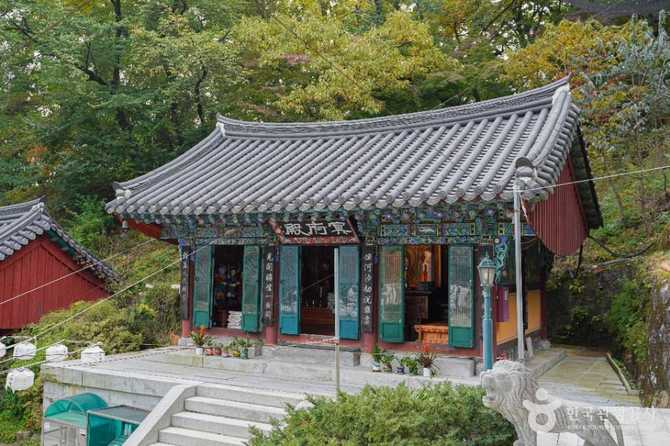
Gyeongguksa Temple was established in 1325 by the monk Jashil Yulsa. It has served as an important Buddhist site in Seoul for nearly 700 years.
Q2: What are the major historical events associated with Gyeongguksa?
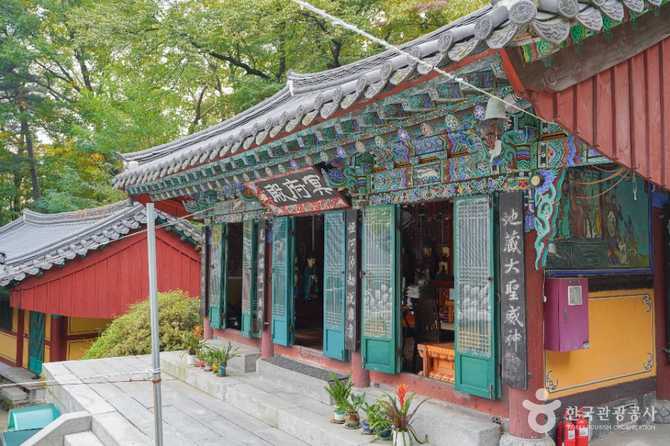
The temple was renamed in 1545 at the request of the royal family, and it underwent significant reconstruction in 1698. These events highlight its importance in Korea’s religious and cultural history.
Q3: What are the main cultural relics and heritage sites at Gyeongguksa?
Key relics include the Jowundae Buddha relic pagoda, built in 2005, and the Cheontae Seongjeon Hall, constructed in 1698. These structures represent Korea’s Buddhist art and architecture.

Q4: What experience programs are available at Gyeongguksa?
Visitors can participate in templestay programs, meditation sessions, and cultural workshops. Pre-booking is recommended for these activities to ensure availability.
Q5: What are the visiting hours and admission policies for Gyeongguksa?
The temple is open daily from 09:00 to 18:00, with free admission. Some special programs may require prior reservation.
Q6: What should visitors keep in mind when visiting Gyeongguksa?
Visitors should dress modestly, maintain silence, and follow temple etiquette. It is also advisable to check the schedule for special events before visiting.
Experience the Rich Heritage of Gyeongguksa Temple in Seoul
Visiting Gyeongguksa Temple in Seoul offers a unique opportunity to immerse yourself in Korea’s profound Buddhist traditions and historical legacy. As one of Seoul’s most significant spiritual sites, this temple not only provides a tranquil environment for reflection and meditation but also serves as a living museum of Korea’s cultural and religious history. Whether you are interested in exploring ancient relics like the Jowundae Buddha relic pagoda or participating in traditional templestay programs, Gyeongguksa ensures a meaningful experience that deepens your understanding of Korean Buddhism. Its accessible location in Seoul makes it an ideal destination for travelers seeking to connect with Korea’s spiritual roots amidst the vibrant city life.
Remember to plan your visit ahead by checking the temple’s opening hours and available programs. Respectful attire and quiet demeanor are essential to fully appreciate the serene atmosphere. Engaging in the temple’s cultural activities, such as meditation or temple meals, can provide a deeper insight into Korea’s spiritual practices. Whether you are a history buff, a spiritual seeker, or a curious traveler, Gyeongguksa Temple in Seoul promises an enriching journey into Korea’s sacred heritage. Don’t miss the chance to experience this historic Buddhist site firsthand and gain a greater appreciation for Korea’s enduring spiritual and cultural traditions.