
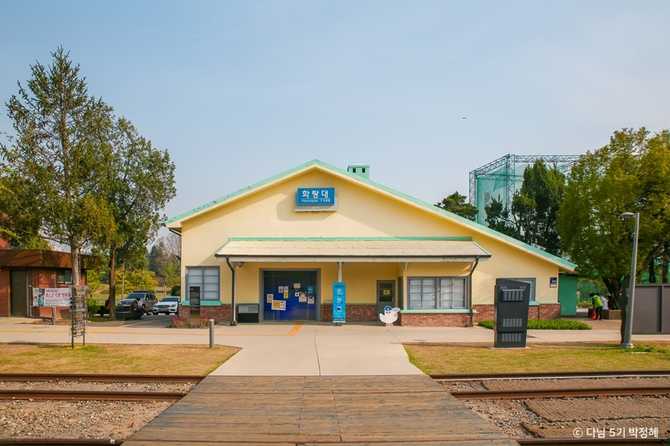
Discover Hwarangdae Station: Seoul’s Historic Rail Landmark & Tourist Spot
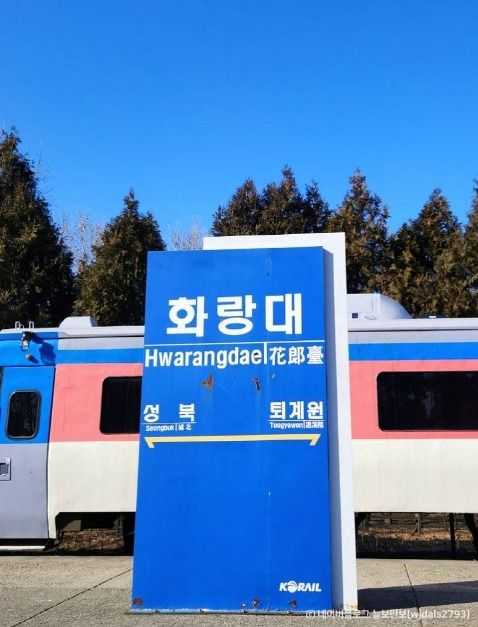
Are you interested in exploring Seoul’s rich railway history while enjoying modern cultural attractions? Hwarangdae Station, once a simple train stop, has transformed into a vibrant cultural and tourism hub that offers a unique blend of history, nature, and family-friendly activities. This guide provides comprehensive details about Hwarangdae Station, its historical significance, nearby attractions, visiting tips, and essential information to help you plan a memorable trip.

Whether you’re a history enthusiast, a family looking for a fun outing, or a local resident wanting to reconnect with Seoul’s past, Hwarangdae Station is an ideal destination. Located in Nowon-gu, Seoul, this site preserves the legacy of Korea’s railway development while offering scenic walking paths, railway exhibits, and green spaces for relaxation. From its origins as a modest stop called Tae-neung Station to its current status as a cultural landmark, Hwarangdae Station embodies the city’s historical evolution and natural beauty.
At a glance
- Who this is for
-
- Travelers interested in Seoul’s railway history
- Families seeking educational outdoor activities
- Local residents exploring cultural sites
- History buffs and railway enthusiasts
- Key takeaways
-
- Hwarangdae Station is Seoul’s last remaining simple station, now a cultural site
- Features include railway exhibits, scenic walking trails, and a themed park
- Open from 10 AM to 6 PM, closed on Mondays, free admission
- Nearby attractions include Gyeongchun Forest Trail and railway-themed parks
- Accessible via public transportation, with limited parking
- Tips & cautions
-
- Check operating hours and holiday closures before visiting
- Use public transit for convenience, especially on busy days
- Visit during early mornings or late afternoons for a quieter experience
- Bring essentials like water and comfortable shoes for walking
- Bottom line
- Hwarangdae Station offers a unique blend of history, nature, and family fun, making it a must-visit Seoul attraction for all ages.
Hwarangdae Station, located in Seoul’s Nowon district, is a fascinating destination that combines historical railway significance with modern recreational spaces. Once a humble stop on the old railway network, it has been revitalized as a cultural and tourism site that preserves Korea’s railway heritage. Visitors can explore railway artifacts, walk along scenic trails that follow the old tracks, and enjoy outdoor activities suitable for families and history lovers alike.
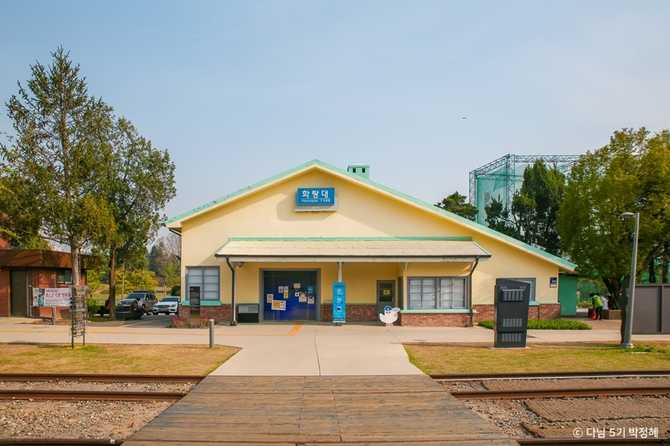
This guide aims to provide detailed information about Hwarangdae Station’s history, nearby attractions, and practical tips for visiting. Whether you’re planning a weekend outing or a cultural exploration, understanding the background and features of this site will enrich your experience. From the railway museum to the lush forest trails, there are plenty of opportunities to learn, relax, and enjoy Seoul’s natural and historical beauty.
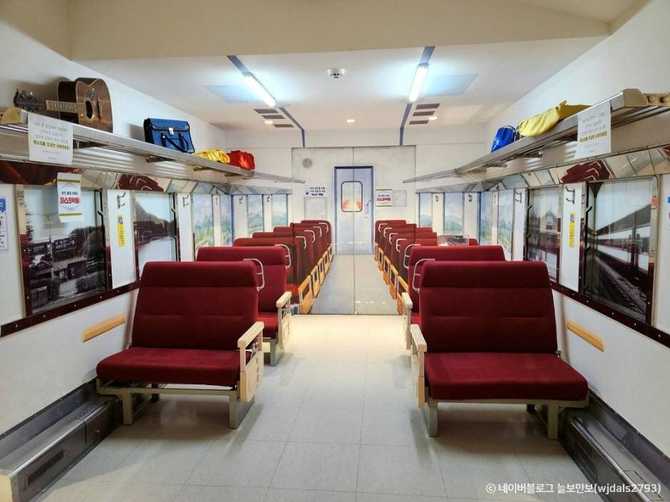
Hwarangdae Station’s Historical Significance and Evolution
Hwarangdae Station, a notable landmark in Seoul’s Nowon district, holds a special place in Korea’s railway history. Originally opened as Tae-neung Station, it was a modest stop that served local residents and travelers in the early days of the Korean railway network. As part of the pioneering development of the Gyeongchun Line, Hwarangdae played a vital role in connecting Seoul with suburban areas, facilitating commerce, travel, and regional development. Over the decades, this station became a key transit point for residents commuting to the city center and for visitors exploring Seoul’s outskirts.
In its prime, Hwarangdae Station was a bustling hub, featuring simple facilities that catered to local needs. However, with the advent of modern transportation infrastructure and urban development, the station’s original structure was phased out. Recognizing its historical importance, local authorities and railway enthusiasts collaborated to preserve the site and transform it into a cultural and educational space. Today, Hwarangdae Station is no longer a functional train stop but a symbol of Seoul’s railway heritage, offering visitors a glimpse into the past through railway exhibits, scenic walking trails along the old tracks, and themed parks that celebrate Korea’s transportation history.
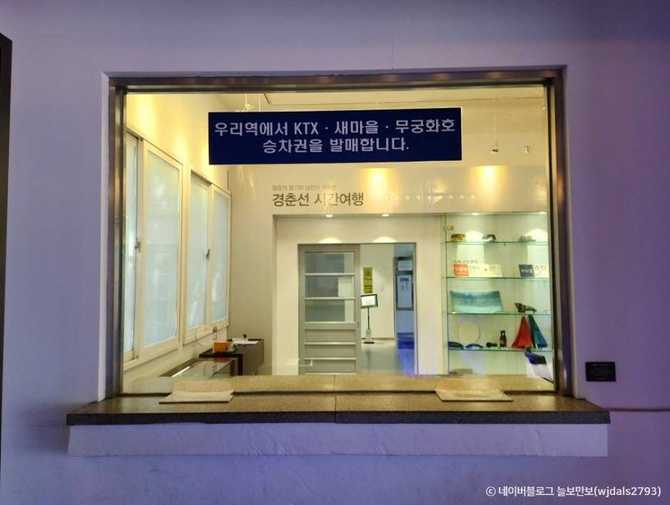
The transformation of Hwarangdae Station into a cultural site underscores its significance as Seoul’s last remaining simple station. It embodies the city’s rapid modernization and its respect for historical roots. Visitors can explore the railway museum, which showcases vintage trains, artifacts, and photographs that narrate Korea’s railway story. The site also promotes environmental awareness by integrating natural landscapes and green spaces, making it a popular destination for families, history buffs, and nature lovers alike. Overall, Hwarangdae Station’s evolution from a humble stop to a vibrant cultural landmark highlights Korea’s commitment to preserving its transportation legacy while fostering community engagement and tourism development.
Comparison of Key Attractions Near Hwarangdae Station
| Attraction | Features | Highlights |
|---|---|---|
| Gyeongchun Forest Trail | Natural walking path along the old railway line, lush greenery, scenic views | Ideal for family walks, jogging, and nature photography |
| Hwarangdae Railway Park | Railway-themed park with vintage trains, outdoor exhibits, playgrounds | Educational and fun for children and railway enthusiasts |
| Hwarangdae Railway Museum | Exhibits of railway artifacts, photographs, model trains, interactive displays | Deep dive into Korea’s railway history and technology |
| Old Railway Walking Path | Restored tracks and platforms, scenic natural surroundings | Perfect for leisurely strolls and historical exploration |
Hwarangdae Railway Museum and Visitor Checklist
- Exhibits to Explore: Vintage trains, railway artifacts, photographs, and interactive displays showcasing Korea’s railway history.
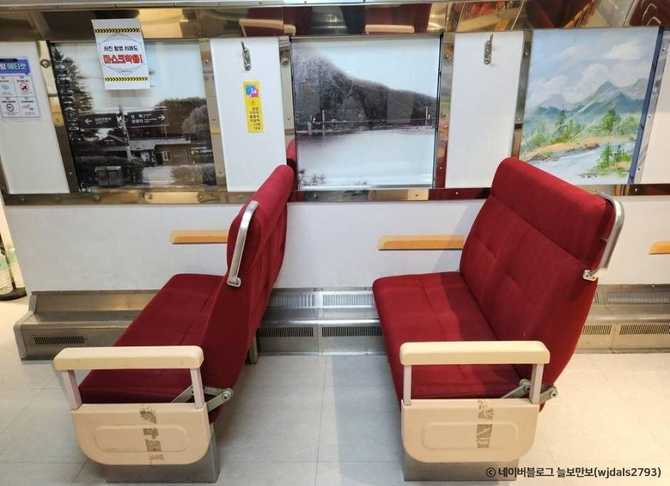
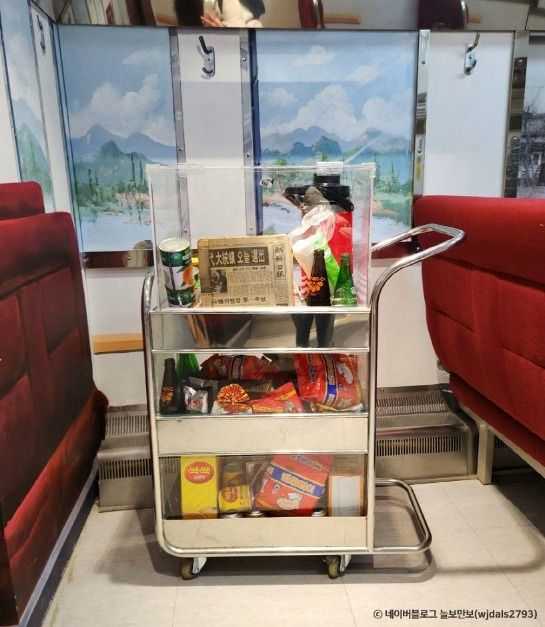
- Visit the Retro Train Experience: Recreated scenes of historic trains, allowing visitors to step inside and learn about train operations.
- Scenic Walking Trails: Follow the old railway tracks through lush greenery, ideal for outdoor activities and photography.
- Outdoor Railway Park: Features vintage locomotives, train carriages, and themed playgrounds for children.
- Visitor Tips: Check the operating hours before visiting; the museum is open from 10 AM to 6 PM, closed on Mondays.
- Important Notice: Parking is limited; public transportation such as subway lines 7 and nearby bus routes are recommended.
Visiting Tips and Important Information for Hwarangdae Station
| Tip / Info | Details |
|---|---|
| Operating Hours | Open from 10:00 AM to 6:00 PM. Remember, the site is closed every Monday. |
| Closed Days | Closed on Mondays. Check for holiday closures during special occasions. |
| Parking | Parking facilities are limited. Using public transportation is highly recommended for convenience. |
| Admission Fee | Free entry to the station, railway museum, and outdoor exhibits. |
| Transportation Tips | Use Seoul Subway Line 7, get off at No-won Station or Gong-reung Station, then walk to Hwarangdae. Bus routes nearby also serve the area. |
Recommended Visiting Schedule & Tips for Hwarangdae Station
- Best Times to Visit: Early mornings or late afternoons offer a peaceful atmosphere, ideal for walking and exploring exhibits without crowds.
- Weekday Visits: Visiting on weekdays can help avoid weekend crowds, especially during peak tourist seasons or holidays.
- Weather Preparedness: Dress appropriately for the weather—bring an umbrella or sun protection as most outdoor areas are exposed to the elements.
- Comfort Essentials: Wear comfortable shoes suitable for walking along trails and exploring outdoor exhibits.
- Public Transit Use: To maximize convenience, plan your route via Seoul Subway Line 7, alighting at No-won or Gong-reung stations, then walking to the site.
- Visit Duration: Allocate at least 1.5 to 2 hours to enjoy railway exhibits, walk along scenic trails, and relax in the outdoor park areas.
- Family Visits: Bring water, snacks, and outdoor gear if planning to spend extended time outdoors with children.
- Event and Exhibition Updates: Check the official website or contact the visitor center beforehand to confirm current exhibits and special events.
Whether you visit during the day or evening, Discover Hwarangdae Station is a meaningful stop on any Seoul itinerary for history-minded travelers.
Frequently Asked Questions (FAQ)
Q1: What is the historical significance of Hwarangdae Station in Seoul?
Hwarangdae Station is Seoul’s last remaining simple railway station, originally opened as Tae-neung Station. It played a vital role in connecting Seoul with suburban areas along the Gyeongchun Line, serving as an important transit hub in Korea’s railway development history. Today, it symbolizes Seoul’s transportation heritage and urban modernization.
Q2: What are the main attractions near Hwarangdae Station?
Nearby attractions include Gyeongchun Forest Trail, a scenic walking path along the old railway line, and Hwarangdae Railway Park, which features vintage trains and outdoor exhibits. The Hwarangdae Railway Museum also offers railway artifacts and interactive displays, making the area ideal for family outings and railway enthusiasts.
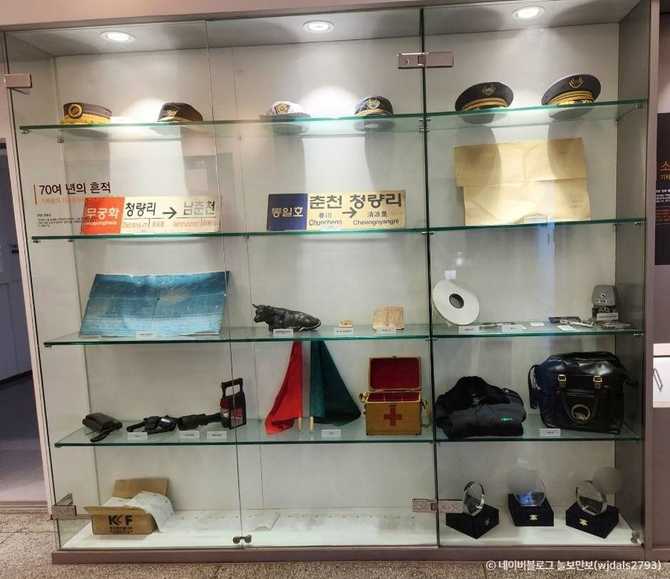
Q3: What can visitors expect to see at the Hwarangdae Railway Museum?
The museum showcases vintage trains, railway artifacts, photographs, and model displays that narrate Korea’s railway history. Visitors can experience a recreated scene of historic trains and learn about train operations through interactive exhibits. The outdoor park features vintage locomotives and themed playgrounds for children.
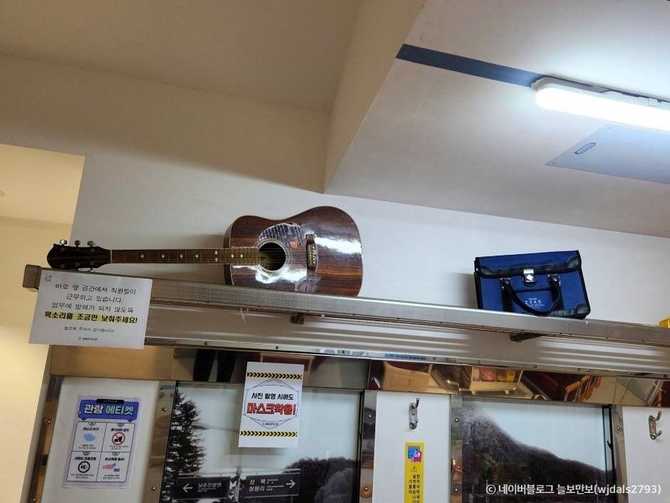
Q4: Are there any tips for visiting Hwarangdae Station?
It’s recommended to check the museum’s operating hours and holiday closures before visiting, as it is open from 10 AM to 6 PM and closed on Mondays. Using public transportation is advised due to limited parking, and visiting during early mornings or late afternoons can provide a quieter experience.
Q5: Is there an entrance fee for Hwarangdae Station and its attractions?
No, entry to Hwarangdae Station, the railway museum, and outdoor exhibits is free. However, parking facilities are limited, so visitors are encouraged to use public transit options for convenience.
Q6: What is the best time to visit Hwarangdae Station?
Visiting early in the morning or late in the afternoon offers a more peaceful experience with fewer visitors. Weekdays are generally less crowded than weekends or public holidays, making for a more relaxed exploration of the site.
Final Tips for Visiting Hwarangdae Station
Planning a visit to Hwarangdae Station is an excellent way to experience Seoul’s rich railway history while enjoying scenic outdoor activities. To make the most of your trip, it’s recommended to check the operating hours and holiday closures beforehand, as the station and museum are open from 10 AM to 6 PM and are closed every Monday. Arriving early in the morning or later in the afternoon can help you avoid crowds and enjoy a more relaxed experience, especially if you prefer peaceful walks along the old railway tracks or exploring the exhibits without rush.
Since parking is limited at Hwarangdae Station, utilizing Seoul’s extensive public transportation network is highly advised. Subway Line 7 provides convenient access, with stops at Nowon Station or Gongreung Station, both within walking distance. Buses also serve the area, making it easy to reach without the hassle of finding parking. Remember to wear comfortable shoes and bring essentials like water and weather-appropriate clothing, as outdoor areas can be exposed to the elements.
Whether you’re interested in railway artifacts, scenic trails, or simply relaxing in a green space that encapsulates Seoul’s historical and natural beauty, Hwarangdae Station offers a memorable experience for all visitors. It’s a perfect destination for families, history enthusiasts, and nature lovers alike. Take your time to explore the railway museum, stroll along the scenic trails, and enjoy the peaceful atmosphere that makes this site a cherished part of Seoul’s cultural landscape. Remember, a well-planned visit ensures you can fully enjoy this unique blend of history and nature, creating lasting memories of your trip to Korea’s vibrant capital.