

Discover Korea’s National Gugak Center: The Heart of Traditional Korean Music
Are you interested in experiencing authentic Korean traditional music and performances? The National Gugak Center in Seoul offers a comprehensive glimpse into Korea’s rich musical heritage, making it an ideal destination for culture enthusiasts, researchers, and visitors eager to explore Korea’s musical traditions firsthand.
At a glance
- Who this is for
-
- Culture lovers interested in Korean traditional music
- Tourists planning to experience Korea’s cultural heritage
- Researchers and students studying Korean arts
- Performers and musicians seeking traditional music insights
- Key takeaways
-
- Established in 1951 as the main institution for Korean traditional music
- Located in Seoul’s Seocho District with modern facilities
- Offers performances, exhibitions, and educational programs
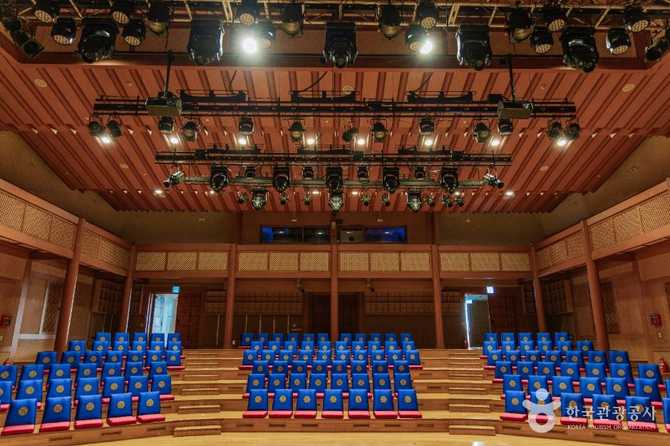
- Features key venues like the Yeakdang and Korean Music Museum
- Operates various performance groups including court music and folk ensembles
- Tips & cautions
-
- Check performance schedules and book tickets in advance
- Free parking is available, but spaces fill quickly; arrive early
- Confirm visiting hours and special events before your visit
- Some performances may require prior reservations
- Bottom line
- Visiting the National Gugak Center provides an enriching experience of Korea’s musical heritage and cultural traditions.
The National Gugak Center is Korea’s premier institution dedicated to preserving and promoting traditional Korean music and dance. Established in 1951, it serves as a cultural hub where history, art, and education converge to keep Korea’s musical legacy alive. Located in Seoul’s Seocho District, the center features state-of-the-art facilities, including performance halls, museums, and practice rooms, all designed to support a variety of cultural activities.
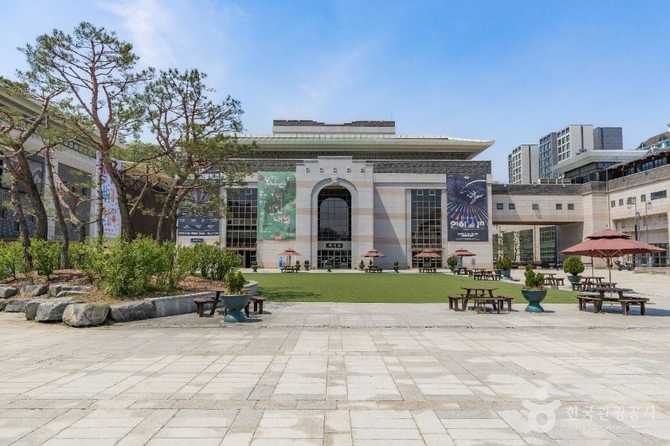
Whether you are a casual visitor, a researcher, or a performer, the National Gugak Center offers a wide array of programs, from traditional court and folk music performances to hands-on cultural experiences. Its mission is to safeguard Korea’s intangible cultural heritage, making it accessible and engaging for both locals and international visitors. The center’s performances showcase Korea’s musical diversity, including court music, folk tunes, and contemporary creations inspired by traditional themes.
Visitors can explore the Korean Music Museum, attend scheduled performances at the Yeakdang Hall, or participate in educational workshops and classes. The center also hosts special events, festivals, and exhibitions that highlight Korea’s rich cultural history. With its friendly staff and well-organized programs, the National Gugak Center ensures a memorable cultural experience for all visitors interested in Korean traditional arts.
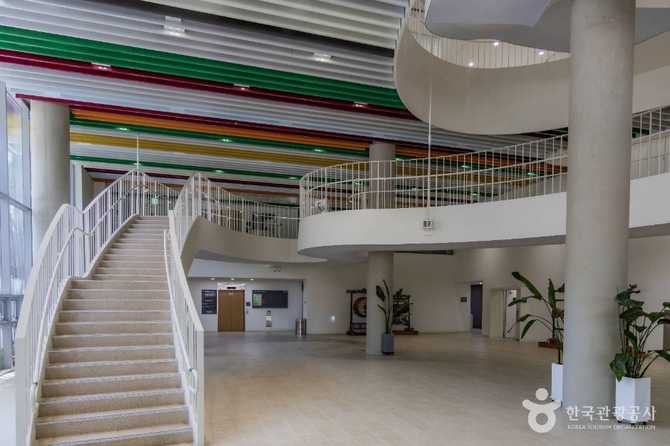
Planning your visit to the National Gugak Center is simple with advance information on performance schedules, ticketing, and facilities available on their official website. Located conveniently in Seoul, it is accessible by public transportation and offers free parking, making it easy for visitors to enjoy a full day immersed in Korea’s musical traditions. Discover Korea’s cultural soul through the sounds and performances at the National Gugak Center, Korea’s leading institution for traditional music and dance.
Overview of the History and Establishment of the National Gugak Center
The National Gugak Center stands as Korea’s premier cultural institution dedicated to the preservation, promotion, and development of traditional Korean music and dance. Since its establishment in 1951, it has played a vital role in safeguarding Korea’s intangible cultural heritage, especially the rich array of court music, folk tunes, and traditional performing arts. The center’s history reflects Korea’s commitment to maintaining its cultural identity amidst rapid modernization and globalization.
The origins of the National Gugak Center trace back to the royal court music institutions of the Silla Dynasty, which preserved Korea’s ancient musical traditions. After the fall of the Joseon Dynasty and during the Japanese occupation, many of these traditions faced decline or disruption. Post-liberation, efforts intensified to revive and systematize Korea’s musical heritage. The center was officially founded in 1951 under the support of the Korean government as a dedicated space to research, perform, and educate about traditional Korean music and dance.
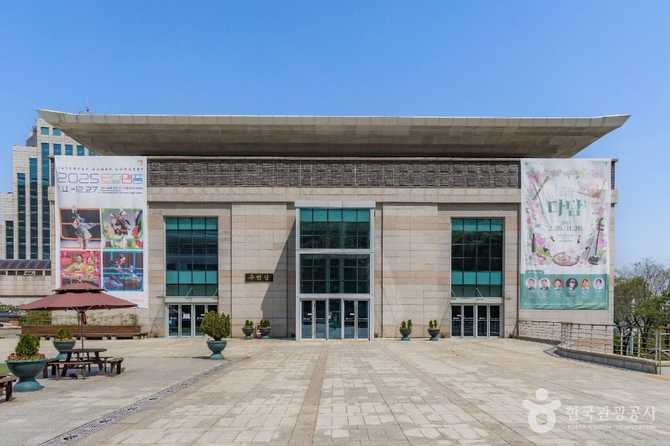
Over the decades, the National Gugak Center expanded its facilities and programs, becoming a hub for both preservation and innovation. It has hosted countless performances, exhibitions, and educational activities aimed at both domestic and international audiences. The center’s mission is not only to conserve Korea’s musical legacy but also to foster contemporary creations inspired by traditional themes, ensuring the relevance of gugak (Korean traditional music) in modern times.
Today, the National Gugak Center continues to serve as a cultural cornerstone, offering a variety of programs including performances by professional ensembles, educational workshops, and research initiatives. Its historical significance and ongoing efforts make it a vital institution for anyone interested in Korea’s musical and cultural history. Visiting the center provides a unique opportunity to experience Korea’s musical soul, rooted in centuries of tradition yet continuously evolving.
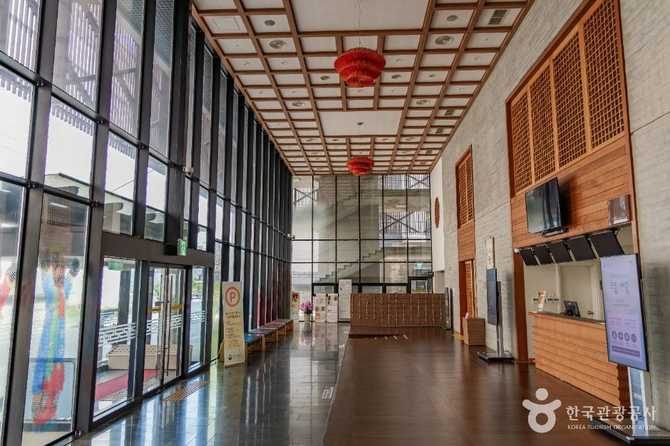
Comparison of Main Facilities and Performance Venues at the National Gugak Center
| Facility Name | Main Function | Additional Notes |
|---|---|---|
| Yeakdang Hall | Main performance venue for traditional music and dance performances | Seats approximately 400; equipped with modern acoustics |
| Korean Music Museum | Exhibits Korean musical instruments, costumes, and historical artifacts | Educational displays and cultural exhibits |
| Yeinmaru Practice Hall | Dedicated space for rehearsals and practice sessions | Available for performers and educational workshops |
| Performance and Education Facilities | Support various educational programs and performances | Includes seminar rooms and practice spaces |
The facilities at the National Gugak Center are designed to support a comprehensive range of activities—from grand performances to intimate workshops. The Yeakdang Hall is the centerpiece for live traditional music and dance shows, providing an authentic experience with modern acoustics. The Korean Music Museum offers visitors a chance to explore Korea’s musical history through a wide collection of artifacts, instruments, and costumes. Practice halls like Yeinmaru ensure performers and students have dedicated spaces for rehearsals and skill development. Additionally, the center’s multifunctional performance and education facilities facilitate a variety of programs, making it a versatile hub for Korea’s musical arts.
Programs, Performers, and Educational Offerings at the National Gugak Center
- Performance Groups: The center hosts several professional ensembles, including the Jeongak (court music) ensemble, Minjungak (folk music) group, traditional dance and music troupes, and contemporary gugak artists. These groups perform regularly at Yeakdang Hall and other venues, showcasing Korea’s diverse musical heritage.
- Scheduled Performances: Visitors can enjoy a variety of concerts and shows scheduled throughout the year. These performances often include traditional court music, folk tunes, and innovative modern interpretations inspired by traditional themes. It’s recommended to check the official website for upcoming schedules and ticketing information.
- Educational Programs: The center offers hands-on workshops, masterclasses, and courses designed for all ages. Participants can learn traditional instruments, singing techniques, and dance movements. Special programs are available for school groups, cultural enthusiasts, and international visitors eager to experience Korea’s musical arts.
- Research and Practice: The research department conducts ongoing studies on traditional music and hosts seminars, lectures, and training sessions. The practice rooms provide space for musicians to rehearse and refine their skills, ensuring the continuity of Korea’s musical traditions.
Visitor Information and How to Plan Your Visit to the National Gugak Center
Planning your visit to the National Gugak Center ensures a smooth and enriching experience. Located in Seoul’s Seocho District, the center is easily accessible by public transportation and offers facilities for visitors to enjoy traditional Korean music and cultural exhibitions. Here are key details and steps to prepare for your trip:
| Aspect | Details |
|---|---|
| Location | 2364 Nambusunhwan-ro, Seocho-gu, Seoul |
| Operating Hours | Check the official website for specific performance and exhibition schedules. Generally, daytime hours from morning to early evening. |
| Public Transportation | Accessible via Seoul Subway Line 2 or 3, Get off at Nambu Bus Terminal Station, then take local bus or taxi to the center. |
| Parking | Free parking available. Arrive early to secure a spot; if full, nearby paid parking lots are accessible. |
| Admission & Tickets | Most performances require prior reservation or ticket purchase. Check the official website for schedules and booking details. |
How to Prepare for Your Visit:
- Verify performance dates and times on the official website.
- Book tickets in advance if required, especially for popular performances.
- Check the weather forecast and dress appropriately for the day of your visit.
- Arrive at least 15-30 minutes early to find parking and settle in.
- Review the center’s facilities and programs to plan your activities, such as museum visits or workshops.
- Bring essentials like a camera, water, and comfortable attire for walking and sitting during performances.
Visitor Checklist for a Memorable Experience at the National Gugak Center
- Confirm the date and time of your planned visit and performance schedules.
- Secure your tickets or reservations ahead of time through the official website or authorized outlets.
- Check if parking is available and whether you need to arrive early to find a spot.
- Review the dress code and recommended attire for performances and visits.
- Prepare any necessary items such as identification, tickets, or workshop enrollment confirmations.
- Familiarize yourself with the center’s facilities, including performance halls, museums, and practice rooms.
- Plan your route using public transportation or car, and consider nearby dining options if you plan to stay longer.
- Arrive at least 15-30 minutes early to enjoy the experience without rush and to find good seats.
- Bring a camera or smartphone for photos, respecting any restrictions on photography during performances.
- Follow staff instructions and signage to ensure a respectful and enjoyable experience for all visitors.
Whether you visit during the day or evening, Discover Korea’s National Gugak Center is a meaningful stop on any Seoul itinerary for history-minded travelers.
Frequently Asked Questions (FAQ)
The National Gugak Center features performances of court music, folk tunes, traditional dance, and contemporary gugak. These performances aim to preserve and promote Korea’s rich musical heritage for both domestic and international audiences.
The center was officially founded in 1951 as Korea’s main institution dedicated to the preservation, research, and performance of traditional Korean music and dance.
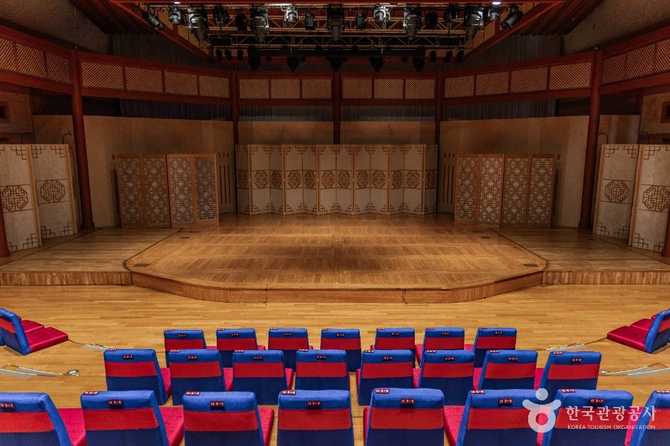
Key facilities include the Yeakdang Hall for performances, the Korean Music Museum for exhibits, practice rooms like Yeinmaru, and educational spaces for workshops and research activities.
Performance schedules and event details are available on the official website and can also be confirmed by contacting the center directly. It is recommended to check in advance to secure tickets and plan your visit.
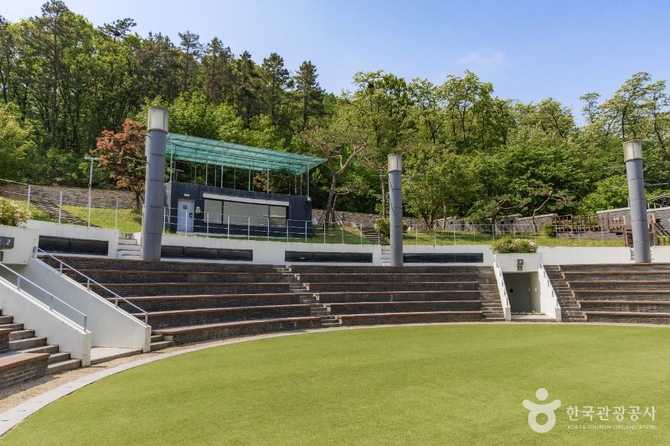
Yes, free parking is available on-site, but spaces may fill quickly, especially during busy periods. In such cases, nearby paid parking lots can be used.
Some performances require prior reservation or ticket purchase, which can be done through the official website or at the venue. It is advisable to check the schedule beforehand to ensure availability.
Final Tips for Visiting the National Gugak Center
Visiting the National Gugak Center offers a unique opportunity to immerse yourself in Korea’s rich musical traditions and cultural heritage. To make the most of your experience, it is recommended to plan ahead by checking the official website for performance schedules, special exhibitions, and educational programs. Many performances require advance reservations, so booking tickets early can ensure you don’t miss out on popular shows. When visiting, consider arriving early to enjoy the various exhibits at the Korean Music Museum and explore the center’s beautiful facilities, such as the Yeakdang Hall and practice rooms.
Parking is generally free, but spaces can fill quickly during peak times, so arriving early is advisable. The center is conveniently located in Seoul’s Seocho District, accessible via public transportation, making it easy for international visitors to reach. Wear comfortable clothing suitable for walking and standing, especially if you plan to attend multiple performances or participate in workshops. Remember to respect the cultural significance of the performances and exhibits, and take the opportunity to ask staff members for guidance or additional information about Korea’s musical heritage.
Overall, a visit to the National Gugak Center promises an enriching cultural experience that deepens your understanding of Korea’s traditional arts. Whether you are attending a live performance, exploring historical artifacts, or participating in hands-on classes, the center provides a welcoming environment for all visitors. By planning your trip carefully and engaging actively with the programs offered, you will leave with a greater appreciation for Korea’s musical legacy and cultural identity. Don’t miss this opportunity to experience Korea’s musical soul firsthand at one of its most esteemed cultural institutions.