
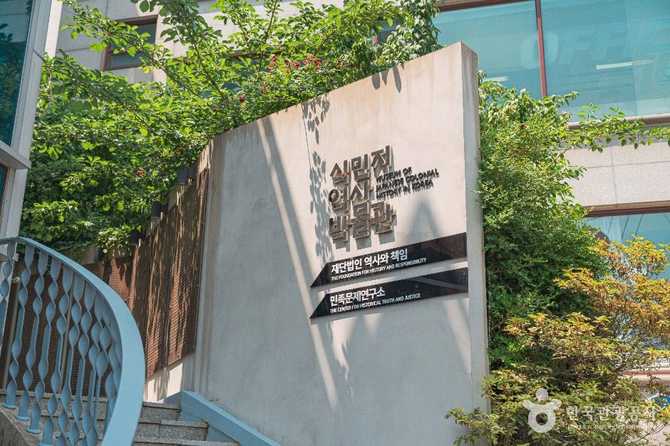
Explore the Colonial History Museum in Yongsan, Seoul
Discover the rich history of Korea’s colonial period at the Colonial History Museum in Seoul’s Yongsan district. Whether you’re a history enthusiast, student, researcher, or a curious traveler, this museum offers insightful exhibits and educational experiences that deepen understanding of Korea’s modern past. Visiting this museum allows you to explore Korea’s colonial era, learn about the roles played by collaborators, and reflect on the nation’s journey toward independence. Planning your visit? Check out essential information below to make the most of your trip.
At a glance
- Who this is for
-
- Students and researchers interested in Korea’s modern history
- History educators and cultural experience seekers
- Overseas Koreans and local citizens
- Anyone interested in learning about Korea’s colonial past
- Key takeaways
-
- Focuses on Korea’s Japanese colonial period and related history
- Features exhibits on pro-Japanese collaborators and independence movements
- Located in a 5-story building with diverse exhibits and experiences
- Offers panoramic views of Namsan and Yongsan from the rooftop terrace
- Free admission; closed on Mondays and national holidays
- Tips & cautions
-
- Check operating hours and holiday closures in advance
- Use public transportation due to limited parking space
- Maintain a respectful atmosphere during exhibits
- Follow safety instructions during interactive experiences
- Bottom line
- Visit this museum to reflect on Korea’s colonial history through educational exhibits and meaningful experiences.
Welcome to our comprehensive guide to the Colonial History Museum located in Yongsan, Seoul. This museum serves as an important cultural and educational space dedicated to Korea’s colonial period, focusing on the Japanese occupation and Korea’s fight for independence. As a vital part of Korea’s historical landscape, the museum offers visitors a chance to explore exhibits that highlight the complexities of this era, including the roles of collaborators, resistance movements, and the lasting impact on modern Korea.
Whether you’re a student delving into Korea’s modern history, a researcher seeking detailed archives, or a visitor interested in cultural education, the Colonial History Museum provides a rich, immersive experience. The museum’s five floors encompass diverse exhibits, interactive zones, and a rooftop terrace with scenic views of Namsan and the surrounding Yongsan district. Best of all, admission is free, making it accessible for all interested in Korea’s past.
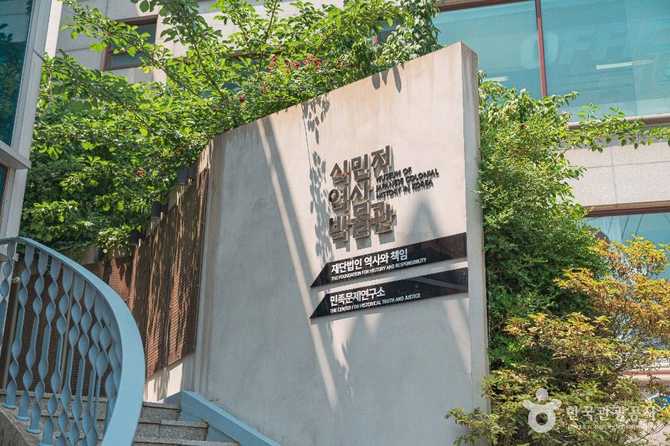
Planning your visit? Be sure to review the essential information such as opening hours, directions, and tips for a smooth experience. Remember that the museum is closed on Mondays and during national holidays, so scheduling your trip accordingly will ensure you don’t miss out on this insightful journey through Korea’s colonial history.
Museum Overview and Significance of the Colonial History Museum
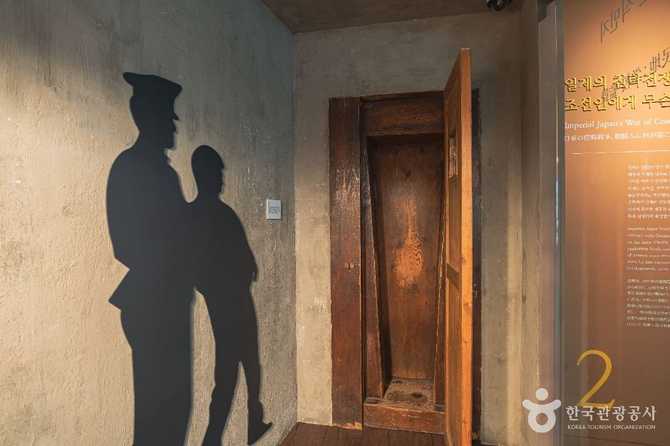
The Colonial History Museum in Yongsan, Seoul, is a dedicated institution that offers visitors a profound insight into Korea’s colonial past during the Japanese occupation. Located in the vibrant district of Yongsan, this museum is a vital cultural space that preserves and presents Korea’s complex history from the early 20th century through detailed exhibits and educational programs. The museum’s primary focus is to explore Korea’s experience under Japanese rule, including the social, political, and cultural impacts of colonization, as well as the resistance movements that led to independence. It is a place where history is not only displayed but also actively interpreted to foster understanding and reflection among visitors of all ages.
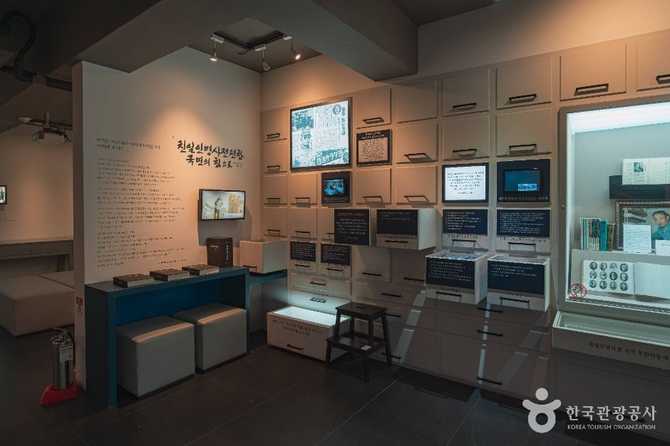
The museum’s significance extends beyond mere preservation; it plays a crucial role in educating the public about Korea’s modern history, emphasizing the importance of remembering past struggles and achievements. Its exhibits include historical documents, photographs, artifacts, and multimedia presentations that depict the era’s realities. The museum also highlights the roles of pro-Japanese collaborators, the independence fighters, and the social changes that occurred during this turbulent period. As a comprehensive educational resource, the Colonial History Museum aims to deepen visitors’ understanding of Korea’s path to sovereignty and the enduring legacy of its colonial era.
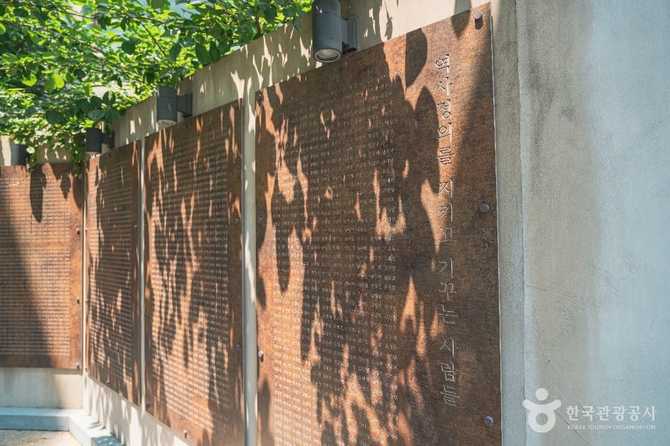
Open to students, researchers, educators, and the general public, the museum fosters dialogue and learning through its engaging displays and interactive zones. Its five-story building features various themed exhibition rooms, a rooftop terrace with scenic views of Namsan and Yongsan, and special temporary exhibitions. Admission is free, making it accessible to everyone interested in Korea’s history. Visiting this museum provides an opportunity to reflect on the importance of historical memory and the lessons learned from Korea’s colonial experience, reinforcing the significance of national identity and independence.
Comparison of Exhibits and Experience Areas at the Colonial History Museum
| Exhibit/Experience Area | Description | Location within Museum |
|---|---|---|
| Historical Exhibits on the Japanese Colonial Era | Displays include documents, photographs, and artifacts depicting Korea under Japanese rule, focusing on colonial policies, daily life, and social changes during the period. | 5th Floor |
| Pro-Japanese Collaborator Records | Exhibits detailing the roles and actions of pro-Japanese figures, including personal histories and their impact on Korean society. | 5th Floor |
| Anti-Japanese Resistance and Independence Movements | Displays showcasing the stories of independence fighters, protests, and key events leading to Korea’s liberation. | Various rooms on the 4th and 5th Floors |
| Interactive Cultural Experience Zone | Hands-on activities such as traditional crafts, multimedia presentations, and role-playing to understand colonial life and resistance. | 2nd Floor |
| Rooftop Viewing Platform | Offers panoramic views of Namsan and Yongsan district, providing a scenic backdrop for reflection and relaxation. | Roof Top |
Visitor Information and Essential Tips for Visiting the Colonial History Museum
- Check operating hours: The museum is open daily from 10:30 AM to 6:00 PM, with the last entry at 5:30 PM.
- Closed on: Mondays and national holidays, including New Year’s Day and Lunar New Year holidays.
- Transportation: Use public transit for convenience; the museum is accessible via subway and bus routes. Parking is limited, so driving is not recommended.
- Admission: Free for all visitors. Consider arriving early to avoid crowds, especially during weekends or special exhibitions.
- Preparation tips: Visit the museum’s official website (http://historymuseum.or.kr) beforehand to confirm current schedules and upcoming events.
- What to bring: Comfortable shoes, a water bottle, and a notepad if you wish to take notes during the exhibits.
Important Notices and Visiting Tips for the Colonial History Museum
| Notice / Tip | Details |
|---|---|
| Closed Days | The museum is closed every Monday and during national holidays such as New Year’s Day and Lunar New Year holidays. Please plan your visit accordingly to avoid disappointment. |
| Parking and Transportation | Parking space is limited; therefore, using public transportation is highly recommended. The museum is easily accessible via subway and bus routes. If driving, consider nearby paid parking options. |
| Operational Hours | Open daily from 10:30 AM to 6:00 PM, with last admission at 5:30 PM. Confirm current hours on the official website before your visit. |
| Exhibit Etiquette | Maintain a respectful silence during exhibit viewing. Do not touch or damage the displayed artifacts. Follow the guidance of staff and signage for a safe experience. |
| Special Events & Exhibitions | Check the museum’s official website for updates on temporary exhibitions, special programs, and events to enhance your visit. |
Visitor Checklist for the Colonial History Museum
- Verify the museum’s operating hours and holiday closures on the official website (http://historymuseum.or.kr) before your visit.
- Plan your transportation in advance, favoring public transit options due to limited parking availability.
- Arrive early to avoid crowds, especially if visiting during weekends or special exhibitions.
- Prepare comfortable shoes suitable for walking and exploring multiple floors.
- Bring a water bottle and notepad if you wish to take notes or document your experience.
- Review the current exhibitions and events on the museum’s website to maximize your visit.
- Respect exhibit rules and staff instructions to ensure a safe and enjoyable experience for all visitors.
- Consider bringing a camera for personal use, but refrain from flash photography to protect sensitive artifacts.
- If interested in souvenirs or donation, inquire at the gift shop or donation desk within the museum.
Whether you visit during the day or evening, Explore the Colonial History Museum is a meaningful stop on any Seoul itinerary for history-minded travelers.
Frequently Asked Questions (FAQ)
Q1: What historical topics are covered at the Colonial History Museum in Yongsan?
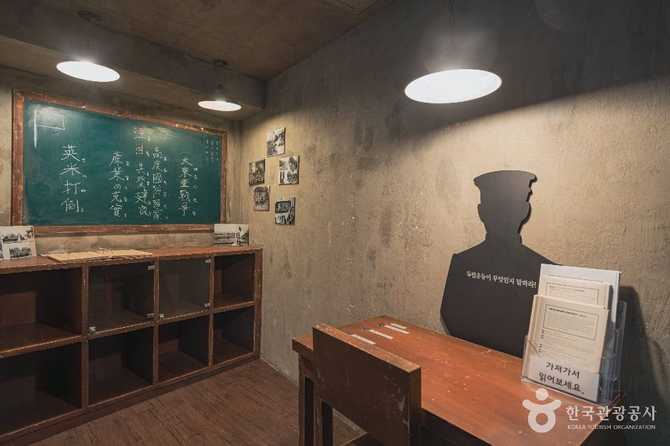
An: The museum exhibits focus on Korea’s Japanese colonial period, including the policies of colonization, daily life under Japanese rule, and independence movements. It also highlights the roles of pro-Japanese collaborators and resistance fighters.
Q2: Is admission to the Colonial History Museum free?

An: Yes, the museum offers free entry to all visitors. However, special exhibitions or programs may require a separate fee.
Q3: What are the operating hours of the Colonial History Museum?
An: The museum is open daily from 10:30 AM to 6:00 PM, with the last admission at 5:30 PM. It is closed on Mondays and national holidays.
Q4: Is there parking available at the museum?
An: Parking space is limited at the museum, so public transportation is recommended. Nearby paid parking facilities are available if driving is necessary.
Q5: What can visitors expect to see from the rooftop terrace?
An: The rooftop offers panoramic views of Namsan and the Yongsan district, providing a scenic backdrop for reflection and relaxation after exploring the exhibits.
Q6: Are there any tips for a smooth visit to the Colonial History Museum?
An: It is recommended to check the latest operating hours and special exhibitions on the official website before visiting. Arriving early and using public transportation can enhance your experience and avoid parking issues.
Final Tips for Visiting the Colonial History Museum in Yongsan, Seoul
Visiting the Colonial History Museum in Yongsan, Seoul offers a meaningful opportunity to reflect on Korea’s complex colonial past and its ongoing significance today. To ensure a smooth and enriching experience, it is recommended to plan your trip carefully. Before heading to the museum, double-check the operating hours on their official website (http://historymuseum.or.kr) to stay updated on any special closures or events. Remember, the museum is closed every Monday and during major national holidays, so scheduling your visit on a weekday or outside holiday periods will help you avoid disappointment.
Transportation is highly recommended since parking space is limited, especially during peak hours or busy weekends. Using public transit, such as subway or bus lines, not only makes your journey more convenient but also environmentally friendly. When you arrive, take your time exploring the exhibits and enjoy the panoramic views from the rooftop terrace, which provides a scenic backdrop for reflection and photography. Wearing comfortable shoes and bringing essentials like water and a notebook can enhance your visit. By preparing in advance, you can fully appreciate the educational and historical value of this important museum, deepening your understanding of Korea’s colonial history and its enduring legacy.