
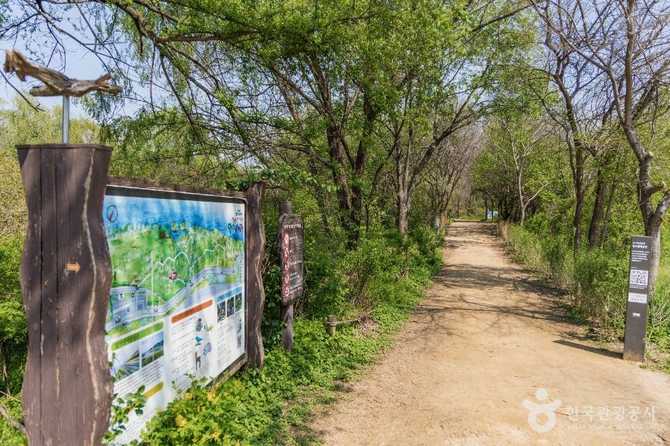
Discover Seoul’s Han River Eco Parks: Gwangnaru and Amsa
Looking for a peaceful escape within Seoul to reconnect with nature? Gwangnaru Han River Park and Amsa Ecological Park offer immersive ecological experiences, educational activities, and scenic walks right in the city. These parks are perfect for families, students, and anyone eager to explore Korea’s rich natural environment without leaving the urban landscape.
Whether you’re interested in wildlife observation, eco-friendly programs, or simply relaxing by the river, these parks provide a unique opportunity to enjoy Seoul’s natural beauty. Both parks are designated as ecological preservation areas, hosting diverse plant and animal species, and offering seasonal landscapes that change throughout the year. Visitors can participate in guided eco-tours, nature exploration activities, and environmental education programs, all free of charge and accessible year-round.
At a glance
- Who this is for
-
- Families seeking outdoor activities in Seoul
- Students and teachers interested in ecological education
- Local residents wanting a relaxing natural escape
- Nature enthusiasts and eco-conscious visitors
- Key takeaways
-
- Located along the Han River in Seoul’s Gangdong District
- Designated ecological preservation zones with diverse flora and fauna
- Offers seasonal scenery, walking and cycling paths, and eco-programs
- Open year-round, free entry, with convenient parking facilities
- Includes eco-guided tours, nature exploration, and environmental education
- Tips & cautions
-
- Check weather conditions before outdoor activities
- Pre-book certain eco-programs via official websites
- Respect wildlife and keep the environment clean
- Use public transportation when possible to avoid parking congestion
- Bottom line
- Gwangnaru and Amsa Ecological Parks are ideal spots for eco-education, nature relaxation, and family-friendly outdoor fun in Seoul.
Seoul’s Gwangnaru Han River Park and Amsa Ecological Park are among the city’s top natural escapes, offering a harmonious blend of urban convenience and ecological richness. Located along the scenic Han River in Gangdong District, these parks serve as vital ecological zones, providing habitat for numerous plant and animal species while offering visitors a chance to experience Korea’s natural beauty firsthand.
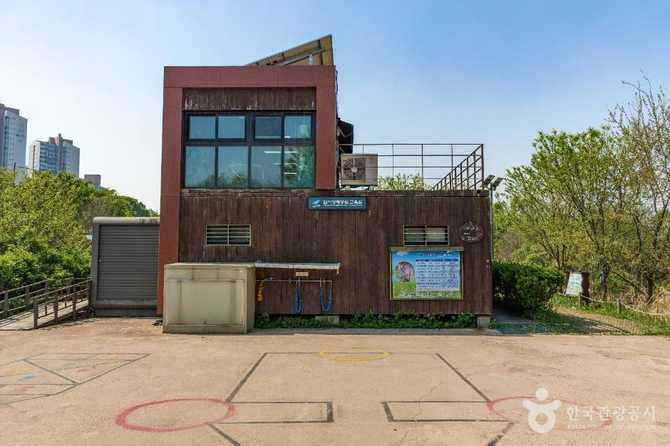
Both parks are dedicated to environmental preservation and ecological education, making them perfect destinations for families, students, and eco-conscious travelers. Visitors can enjoy a variety of activities such as eco-guided tours, bird watching, plant identification, and hands-on ecological programs. The parks are open all year, with free admission and ample parking, ensuring accessibility for everyone eager to learn about and appreciate Korea’s natural environment.
If you’re planning a day trip or a weekend outing in Seoul and want to enjoy nature without leaving the city, Gwangnaru and Amsa Ecological Parks are excellent options. Experience the changing seasons, observe local wildlife, and participate in educational activities that highlight the importance of ecological conservation. This guide will help you explore these parks thoroughly and make the most of your visit.
Gwangnaru Han River Park Overview and Location
Gwangnaru Han River Park is a prominent ecological space situated along the scenic banks of the Han River in Seoul’s Gangdong District. As one of the city’s leading natural parks, it offers visitors a harmonious blend of urban convenience and natural beauty. This park is a designated ecological preservation area, emphasizing environmental education and nature conservation. Its strategic location makes it easily accessible for residents and tourists alike, providing a perfect spot for outdoor activities, ecological learning, and relaxation amidst nature.
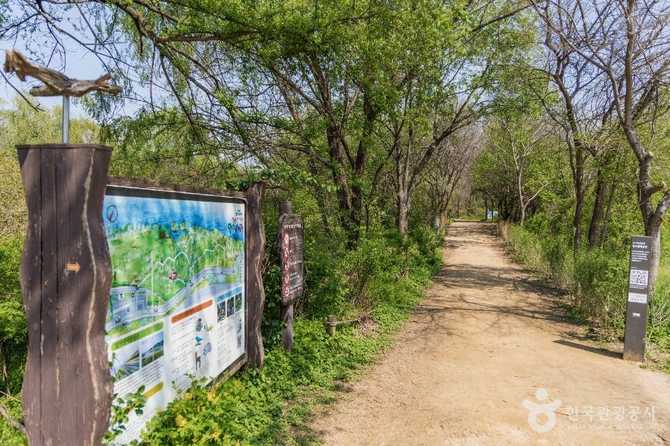
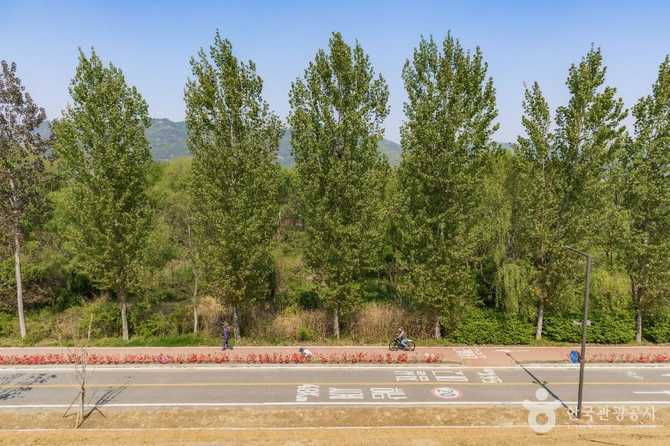
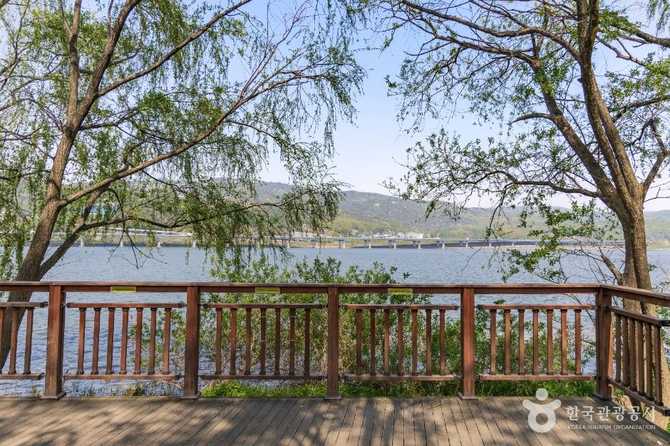
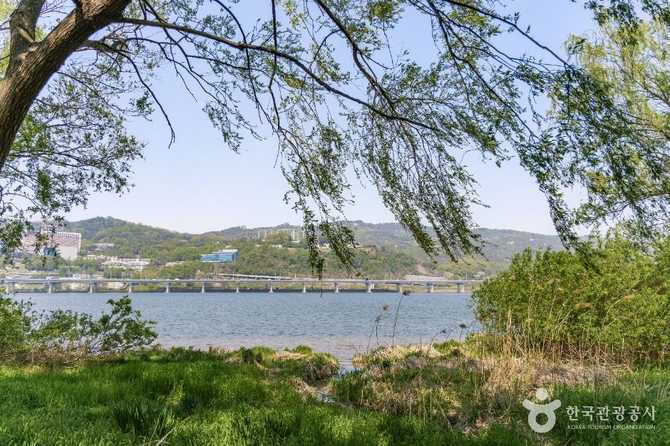
The park spans a significant stretch of the Han River, featuring well-maintained walking and cycling paths that allow visitors to enjoy the changing scenery throughout the seasons. It is especially popular among families, students, and eco-enthusiasts who seek to experience Korea’s rich biodiversity without leaving Seoul. The park’s landscape includes lush green spaces, wetlands, and river views, making it an ideal setting for ecological exploration and outdoor recreation.
Gwangnaru Han River Park is also home to various educational programs, guided eco-tours, and hands-on activities designed to foster environmental awareness. Its facilities include visitor centers, eco-education zones, and picnic areas, all aimed at promoting ecological understanding and sustainable enjoyment of nature. The park operates year-round, free of charge, and provides ample parking facilities, making it a convenient destination for locals and visitors looking to reconnect with nature in the heart of Seoul.
If you are planning a day trip to experience Korea’s natural environment within the city, Gwangnaru Han River Park is an excellent choice. Its location along the Han River not only offers beautiful views but also serves as an important ecological habitat, supporting diverse flora and fauna. Whether for a leisurely walk, ecological education, or family outing, this park provides a meaningful escape into nature, right in Seoul’s urban landscape.

Comparison of Amsa Ecological Park and Gwangnaru Han River Park
| Feature | Amsa Ecological Park | Gwangnaru Han River Park |
|---|---|---|
| Location | Amsa-dong, Seoul Gangdong District | Along the Han River, Gangdong District |
| Main Focus | Ecological education and habitat preservation | Ecological conservation and recreational activities |
| Key Features | Biodiversity zones, eco-programs, nature trails | Walking and cycling paths, river views, picnic zones |
| Activities | Wildlife observation, eco-guided tours, environmental education | Walking, cycling, picnics, seasonal eco programs |
| Accessibility | Public transport, parking available | Public transport, parking available |
| Operating Hours | Year-round, free of charge | Year-round, free of charge |
Main Eco Programs and Educational Activities
- Eco-guided Tours: Participate in expert-led tours that explain local ecosystems, plant and animal species, and conservation efforts. These are available seasonally and often require prior booking.
- Wildlife Observation: Engage in birdwatching and animal tracking activities, utilizing designated observation points and binoculars provided by the parks.
- Ecological Workshops: Join hands-on sessions such as making eco-friendly soaps, planting native species, or learning about wetland preservation.
- Nature Exploration Activities: Participate in biological surveys, insect catching, and plant identification walks designed for all ages.
- Environmental Education: Attend programs tailored for school groups, including lectures, interactive games, and eco-competitions to deepen understanding of ecological issues.
Visitor Information and Facilities
| Facility | Details |
|---|---|
| Operating Hours | Open year-round, 24 hours, free access |
| Parking Facilities | Available on-site; parking fee: first 30 minutes 1,000 KRW, then 200 KRW per 10 minutes |
| Visitor Centers & Information | Located within the parks; provide maps, educational materials, and staff assistance |
| Restroom Facilities | Available at multiple points within the parks for visitor convenience |
| Eco-Program Spaces | Designated areas for workshops, guided tours, and educational activities |
Tips for Visiting and Precautions
- Check the weather forecast before planning outdoor activities to ensure a safe and enjoyable visit.
- Make reservations in advance for popular eco-programs or guided tours, especially during peak seasons.
- Respect wildlife by observing from a distance and avoid touching or disturbing animals and plants.
- Carry sufficient water, sun protection, and comfortable footwear for walking or cycling.
- Use public transportation whenever possible to reduce traffic congestion and parking issues.
- Dispose of trash properly and recycle to help maintain the parks’ cleanliness.
- Supervise children at all times, especially near water or natural habitats.
- Be mindful of restricted areas and follow park guidelines to ensure safety and preservation.
Whether you visit during the day or evening, Discover Seoul’s Han River Eco is a meaningful stop on any Seoul itinerary for history-minded travelers.
Frequently Asked Questions (FAQ)
Q1: What kind of natural environment can I experience at Gwangnaru Han River Park and Amsa Ecological Park?
Both parks are located along the Han River and feature diverse ecosystems with native plants and animals. They offer scenic views, wetlands, and green spaces that highlight Korea’s urban biodiversity and ecological preservation efforts.
Q2: What eco programs and activities are available at these parks?
Visitors can participate in eco-guided tours, wildlife observation, ecological workshops, and nature exploration activities like plant identification and insect catching. Some programs require prior reservation and are seasonal.
Q3: Are Gwangnaru Han River Park and Amsa Ecological Park free to visit?
Yes, both parks are open year-round with free admission. Parking fees apply, with the first 30 minutes costing 1,000 KRW and subsequent charges of 200 KRW per 10 minutes.
Q4: What should I keep in mind when visiting these parks?
Please respect the environment by disposing of trash properly and not disturbing wildlife. Check weather conditions before outdoor activities and book certain programs in advance. Using public transportation is recommended to avoid parking issues.
Q5: How can I reserve eco programs or educational activities?
Reservations can be made through the parks’ official websites or by contacting their information centers. It’s advisable to check schedules and availability before your visit, as some activities are seasonal and fill up quickly.
Q6: Which season is best for visiting Gwangnaru Han River Park and Amsa Ecological Park?
Spring and fall are ideal for enjoying the scenery and observing wildlife. Summer offers more outdoor activities like picnics and river walks, while winter provides a peaceful environment for quiet nature appreciation.
Experience the Natural Beauty of Seoul at Gwangnaru and Amsa Ecological Parks
Visiting Gwangnaru Han River Park and Amsa Ecological Park offers a unique opportunity to immerse yourself in Seoul’s rich natural environment without leaving the city. These parks are more than just scenic spots; they are vital ecological zones dedicated to conservation, environmental education, and community engagement. Whether you’re a family seeking outdoor fun, a student eager to learn about Korea’s biodiversity, or a local resident looking for a peaceful retreat, these parks provide a perfect setting to reconnect with nature. The well-maintained walking and cycling paths, educational programs, and seasonal landscapes ensure that every visit is enriching and memorable. With free admission, ample parking, and year-round accessibility, planning a trip to these parks is both convenient and rewarding. As you explore the lush green spaces, observe local wildlife, or participate in eco-friendly activities, you’ll gain a deeper appreciation for Korea’s natural heritage. So, if you want to enjoy a meaningful day surrounded by nature’s tranquility, make sure to include Gwangnaru and Amsa Ecological Parks in your Seoul itinerary. These parks truly embody the harmony between urban life and ecological preservation, making them a must-visit destination for anyone interested in Korea’s environment and natural beauty.