
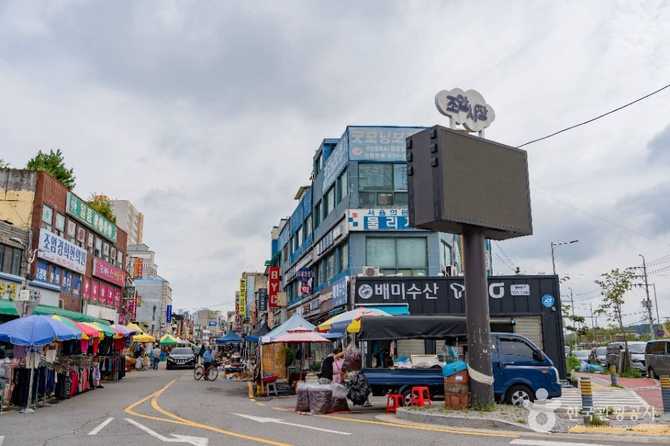
출처 : ⓒ한국관광콘텐츠랩 또는 ⓒ한국관광공사
Complete Guide to Jowam Market in Hwaseong, Korea
Location 경기도 화성시 우정읍 조암서로22번길 22
Location 경기도 화성시 우정읍 조암서로22번길 22
Looking for an authentic Korean traditional market experience with fresh local produce and vibrant atmosphere? Discover everything you need to know about Jowam Market in Hwaseong, from its history and key features to visiting tips and essential information for a memorable trip.
At a glance
- Who this is for
-
- Visitors seeking authentic Korean market experiences
- Tourists interested in local agricultural and seafood products
- Residents and vendors in Hwaseong City
- Travelers exploring traditional markets in Gyeonggi Province
- Key takeaways
-
- Located in Ujeong-eup, Hwaseong City, Gyeonggi Province
- Offers fresh agricultural produce, seafood, and daily necessities
- Market operates mainly from early morning to evening with variable hours
- Historical market with a warm, community-oriented atmosphere
- Parking available at public parking lots nearby
- Tips & cautions
-
- Check individual store hours and holidays before visiting
- Expect some reduction in seafood trading compared to past decades
- Use public parking or plan your vehicle access in advance
- Visit early in the morning for the freshest produce and lively market vibe
- Bottom line
- Jowam Market remains a charming and authentic place to enjoy fresh local products and traditional Korean market culture.
Welcome to our comprehensive guide to Jowam Market in Hwaseong, Korea. This traditional market, situated in Ujeong-eup, offers a glimpse into Korea’s rich local culture and history. Whether you’re a traveler eager to experience authentic Korean markets or a local resident seeking fresh produce, Jowam Market provides a vibrant environment filled with friendly vendors and diverse products.
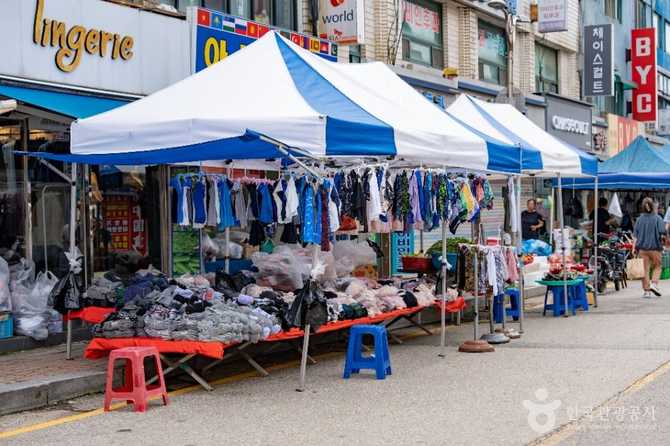
In this guide, we will explore the market’s history, its current layout, operating hours, and the variety of goods available. We will also share practical tips for visiting, such as parking options, best times to visit, and what to expect. Discovering Jowam Market is not just about shopping but about immersing yourself in a community hub that has served residents and visitors alike for decades.
From fresh vegetables and fruits to regional seafood and daily necessities, this market is a hub of local commerce and tradition. Although some changes have occurred over the years, including a decline in seafood trading, the market still retains its lively and warm atmosphere. Whether you’re interested in picking up local specialties or simply enjoying the bustling scene, Jowam Market is a must-visit destination in Hwaseong.

Jowam Market Location and History
Jowam Market, situated in Ujeong-eup, Hwaseong City, Gyeonggi Province, is a traditional Korean market renowned for its vibrant atmosphere and diverse local products. As a key part of the region’s cultural and economic fabric, this market offers visitors a unique glimpse into Korea’s rich community heritage. The focus keyword, Jowam Market, encapsulates its significance as a hub for regional agriculture and seafood trade. Historically, the market has served as a vital marketplace for local farmers and fishermen, providing a space where fresh produce, seafood, and daily necessities are exchanged daily.
The origins of Jowam Market trace back several decades, rooted in the local agricultural traditions of Hwaseong. Known locally as the “Samgwe (三槐) Market,” it was historically a bustling center for trading fresh vegetables, fruits, and regional seafood such as oysters, crabs, and other marine products. Despite shifts in the regional economy, including a decline in seafood trading since the 1980s, the market has retained its charm and continues to be a community gathering spot. It reflects the resilience of traditional markets in Korea, adapting over time while maintaining their core cultural essence.
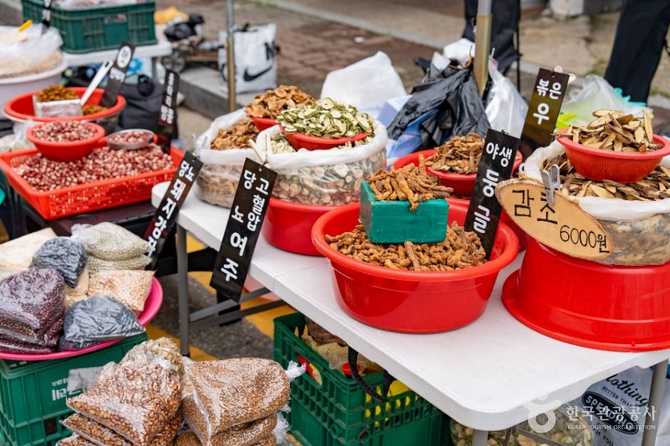
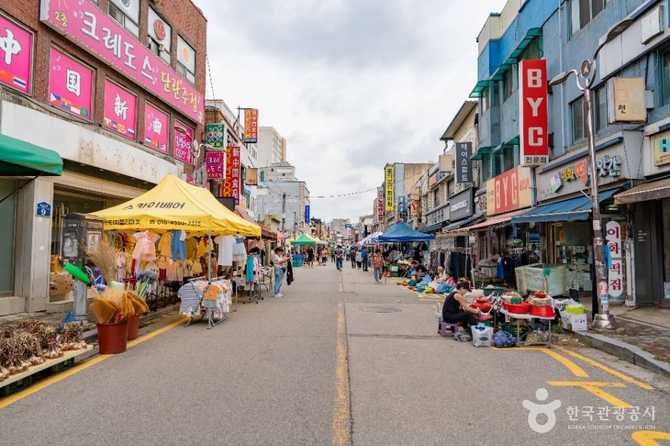
Today, Jowam Market functions as a vital economic and cultural space, supporting local farmers and vendors. Its strategic location in Ujeong-eup makes it accessible for both residents and visitors. The market’s history is intertwined with the development of Hwaseong’s local economy, evolving from a purely agricultural and fishing hub to a marketplace that also offers everyday household goods. The market’s layout has modernized slightly, but it continues to preserve the traditional Korean market ambiance, with friendly vendors and lively street scenes.
Key facts about Jowam Market’s history:
- Located in Ujeong-eup, Hwaseong City, Gyeonggi Province
- Historically known as “Samgwe Market,” reflecting regional trade traditions
- Established several decades ago as a hub for local agriculture and seafood
- Market trading has shifted from seafood-heavy to more agricultural and daily necessities
- Remains a community-centered space with a warm, welcoming atmosphere
In essence, Jowam Market is a testament to Korea’s vibrant local culture, with a history that highlights its importance as a regional trading center. Its evolution over the years showcases how traditional markets adapt while preserving their cultural identity, making it a worthwhile destination for those interested in Korea’s local heritage.

Comparison of Market Operating Hours and Visiting Tips
| Aspect | Details | Remarks |
|---|---|---|
| Operating Hours | Typically from 6:00 AM to 6:00 PM | Varies by individual store; some may close early |
| Market Holidays | Varies; usually closed on specific weekdays or holidays | Check before visiting to avoid disappointment |
| Parking Facilities | Publicly operated parking lot nearby | Convenient vehicle access for visitors |
| Best Visiting Time | Early mornings, around 6:00 AM to 9:00 AM | Freshest produce and lively market atmosphere |
When planning your visit to Jowam Market, keep in mind that individual store hours may differ, and some vendors might close early or on specific holidays. To ensure a smooth experience, it’s advisable to confirm the operating hours of your preferred stalls beforehand. Also, arriving early in the morning allows you to enjoy the freshest produce and observe the vibrant daily life of the market. Parking is generally accessible via nearby public lots, making vehicle access straightforward. Overall, understanding these aspects helps maximize your visit and enjoy the authentic market atmosphere.
Product Range and Market Features
- Fresh Agricultural Products: The market offers a wide variety of seasonal vegetables, fruits, grains, and herbs. Expect to find locally grown produce such as lettuce, radishes, apples, and rice, often sold directly by farmers.
- Seafood Selection: Historically, seafood was a major trading item, including oysters, crabs, and fish. While the volume has decreased since the 1980s, regional seafood such as shellfish and dried fish remains available.
- Daily Necessities and Household Items: Market vendors also sell everyday essentials like toiletries, kitchenware, and household goods, making it a one-stop shopping destination for locals.
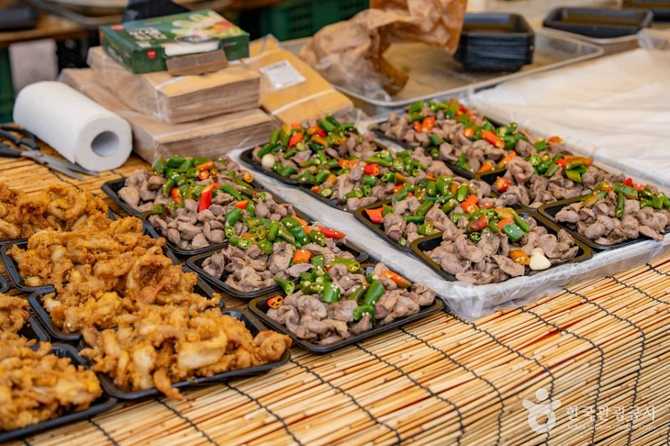
- Market Atmosphere: Jowam Market maintains a warm, community-oriented vibe, with friendly vendors eager to share local stories and offer samples. The market’s layout is traditional, with narrow alleyways and open stalls that encourage browsing and interaction.
- Market Evolution: Over the years, the focus has shifted from seafood-heavy trading to primarily agricultural and household items, reflecting changes in regional trade patterns. Despite this, the market continues to be a lively hub for local commerce.
Visitor Tips and Precautions for Jowam Market
- Check Operating Hours and Holidays: Since individual stalls may have different opening times and days off, it is advisable to verify the operating hours of your preferred vendors before your visit. Most stalls operate from early morning around 6:00 AM, but some may close earlier or take days off on specific holidays.
- Expect Changes in Seafood Availability: Although historically a seafood hub, the volume of seafood trading has decreased since the 1980s. If fresh seafood is your priority, inquire with vendors beforehand or visit early in the morning for the best selection.
- Plan Your Parking and Transportation: Use the nearby public parking lots for convenient vehicle access. Check traffic conditions around the market area to avoid congestion, especially during weekends or peak hours.
- Engage with Vendors: The market vendors are friendly and eager to share stories about their products. Don’t hesitate to ask about the freshness, origin, and cooking tips for items you purchase, enhancing your overall experience.
- Visit Early for Freshest Goods: Arriving early, around 6:00 AM to 9:00 AM, allows you to enjoy the freshest produce and the lively atmosphere of the market.
- Be Respectful of Local Customs: As a traditional market, Jowam Market values courteous interactions. Bargaining is common but should be done politely.
Jowam Market Visit Checklist
- Confirm the operating hours and holiday schedule of your preferred stalls before visiting.
- Check if the vendors you plan to visit are offering fresh seafood or agricultural products.
- Plan your transportation and parking options, ideally using the public parking lots nearby.
- Prepare cash or digital payment methods suitable for small vendors.
- Arrive early in the morning to enjoy the freshest goods and lively market atmosphere.
- Bring reusable bags for purchases and a small umbrella or sun protection depending on weather.
- Engage politely with vendors, ask questions, and sample products if offered.
- Take note of the market’s layout or use a map app to navigate efficiently.
Whether you visit during the day or evening, Complete Guide to Jowam Market is a meaningful stop on any Seoul itinerary for history-minded travelers.
Frequently Asked Questions (FAQ)
Q1: When is Jowam Market open?
Jowam Market generally operates from early morning around 6:00 AM to 6:00 PM. However, individual stalls may have different hours, with some closing earlier, so it is advisable to verify specific store times beforehand.
Q2: What types of products can I find at Jowam Market?
The market offers fresh agricultural produce, seafood, daily necessities, and household goods. Historically, seafood was prominent, but now the focus is mainly on farm products and everyday essentials.

Q3: How is parking available at Jowam Market?
There is a public parking lot nearby, providing convenient vehicle access for visitors. It is recommended to use the public parking facilities to avoid traffic congestion around the market area.
Q4: What are the main features of Jowam Market?
Jowam Market maintains a warm, community-oriented atmosphere with friendly vendors. It features narrow alleyways, open stalls, and a traditional Korean market layout, offering a lively shopping experience.
Q5: What should I be aware of when visiting Jowam Market?
Visitors should check individual stall hours and holidays before visiting, as they vary. Seafood trading has decreased over the years, so inquire in advance if fresh seafood is a priority for your visit.
Q6: What is the best time to visit Jowam Market?
The best time to visit is early in the morning, around 6:00 to 9:00 AM, to enjoy the freshest produce and lively market atmosphere. Early visits also provide better opportunities for bargaining and sampling local products.
Final Tips for Visiting Jowam Market in Hwaseong, Korea
Visiting Jowam Market in Hwaseong offers a wonderful opportunity to experience Korea’s rich local culture and enjoy fresh, regional products. To make the most of your trip, plan ahead by checking the market’s operating hours and store holidays, as these can vary among vendors. Arriving early in the morning, around 6:00 AM, allows you to enjoy the freshest produce and observe the lively atmosphere that makes Jowam Market so special.
While the market has seen some changes over the years, especially in seafood trading, it remains a vibrant community hub where friendly vendors welcome visitors with warm hospitality. Using the nearby public parking lot will ensure convenient access, but it’s always good to confirm parking availability before your visit. Remember to bring cash, as some small vendors may not accept credit cards.
Overall, a visit to Jowam Market promises an authentic Korean market experience filled with fresh local produce, regional seafood, and a charming, community-oriented atmosphere. Whether you’re shopping for ingredients or simply soaking in the vibrant scene, this market is a worthwhile destination that captures the essence of traditional Korean markets. Be prepared, stay curious, and enjoy the warm hospitality that makes Jowam Market a memorable part of your trip to Hwaseong.