
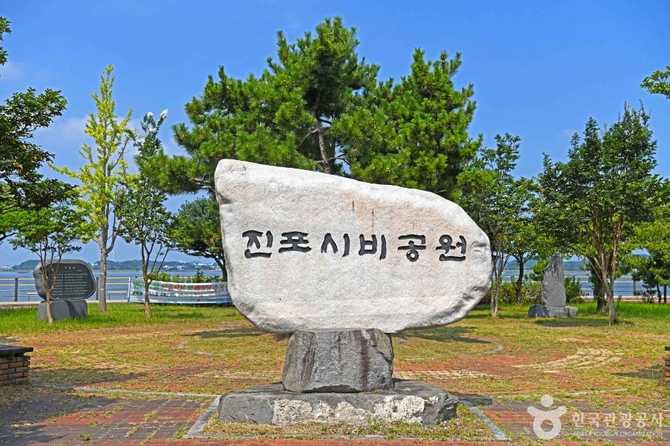
출처 : ⓒ한국관광콘텐츠랩 또는 ⓒ한국관광공사
Discover Gimposi Park: A Natural and Literary Retreat in Gunsan
Location 전북특별자치도 군산시 내흥동 894-8
Location 전북특별자치도 군산시 내흥동 894-8
Looking for a peaceful escape where you can enjoy scenic views and immerse yourself in Korea’s rich literary heritage? Gimposi Park in Gunsan offers a perfect blend of nature and culture, making it an ideal destination for travelers seeking relaxation and inspiration.
At a glance
- Who this is for
-
- Travelers interested in Korea’s natural beauty and cultural heritage
- Families, couples, and solo visitors seeking a peaceful outdoor experience
- Literature enthusiasts wanting to explore local literary history
- Eco-conscious tourists looking for eco-friendly parks and wildlife observation
- Key takeaways
-
- Located in Naeheung-dong, Gunsan City, on the Geumgang River estuary
- Offers scenic views of the Geumgang River and surrounding natural landscapes
- Includes cultural sites like the Chae Man-sik Literary Museum and birdwatching areas
- Open year-round with free parking and visitor facilities
- Connected with walking routes and eco-tourism programs
- Tips & cautions
-
- Check weather conditions before visiting to dress appropriately
- Avoid littering to protect the natural environment
- Use caution on wet or uneven paths for safety
- Respect wildlife and observe quietly at birdwatching sites
- Bottom line
- Gimposi Park in Gunsan is a unique space where nature and literature come together, offering a tranquil retreat for all visitors.
Gimposi Park in Gunsan is a renowned natural and cultural destination that combines scenic beauty with literary history. Situated in the heart of the Geumgang River estuary, this park provides visitors with an opportunity to enjoy peaceful walks along the riverbank, explore literary landmarks such as the Chae Man-sik Literary Museum, and observe local bird species at the Geumgang Birdwatching Observatory. Whether you’re a family looking for a relaxing day out, a couple seeking a romantic stroll, or a solo traveler eager to connect with Korea’s natural and cultural heritage, Gimposi Park offers an enriching experience.

This park is not only a place for leisure but also a space for ecological awareness and cultural appreciation. Its well-maintained walking trails, eco-friendly facilities, and scenic viewpoints make it a must-visit for those wanting to escape the hustle and bustle of city life while immersing themselves in Korea’s natural beauty and literary legacy. Open year-round and free to access, Gimposi Park invites everyone to enjoy its tranquil environment and learn about the region’s ecological and literary significance.
Gimposi Park Overview and Location
Gimposi Park, located in Gunsan City, North Jeolla Province, is a scenic natural space that beautifully combines Korea’s rich literary heritage with its stunning natural landscapes. As a prominent example of a cultural and ecological retreat, Gimposi Park offers visitors a peaceful environment to relax, reflect, and connect with both nature and Korea’s literary history. Situated at the estuary of the Geumgang River in Naeheung-dong, this park is easily accessible from the city center and is renowned for its tranquil views of the river and surrounding wetlands. The park’s core appeal lies in its harmonious blend of ecological preservation and cultural significance, making it a must-visit destination for travelers interested in Korea’s natural beauty and literary traditions.

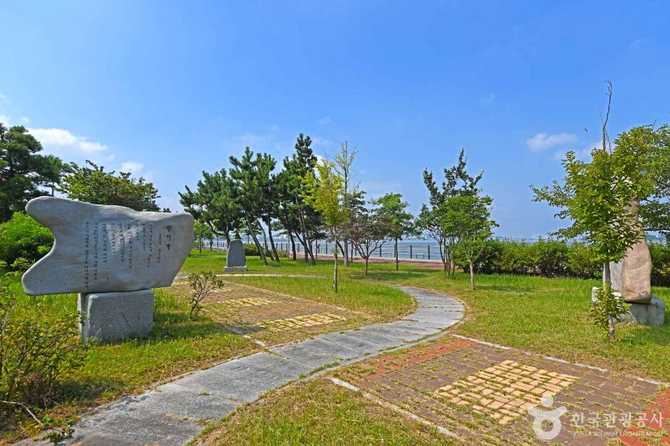
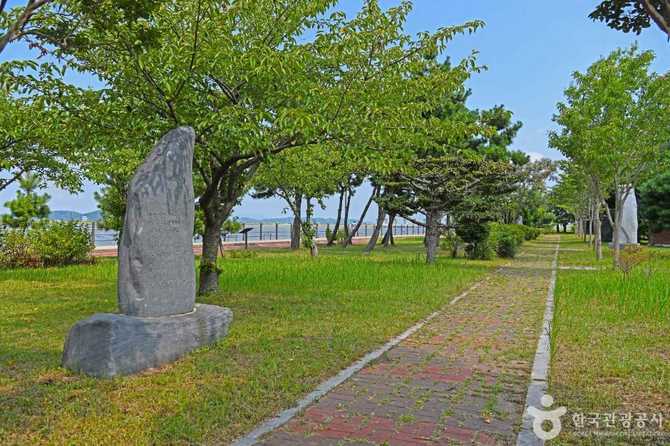
The park covers a sizable area with walking trails that wind along the riverbank, providing stunning vistas of the flowing water and lush greenery. Visitors can enjoy leisurely strolls, birdwatching, and outdoor activities in a setting that emphasizes ecological conservation. Notably, Gimposi Park is connected with cultural sites such as the Chae Man-sik Literary Museum, which celebrates the life and works of the renowned Korean author. The park’s location near the Geumgang Birdwatching Observatory further enhances its appeal for eco-tourists and nature lovers.
Open year-round with free admission, Gimposi Park is designed to be accessible and welcoming to all visitors. Facilities such as parking lots, restrooms, and walking paths are well-maintained to ensure a comfortable experience. Its proximity to other cultural attractions in Gunsan makes it an ideal starting point for exploring the region’s natural and literary heritage. Whether you are visiting for a relaxing walk, to observe local wildlife, or to delve into Korea’s literary history, Gimposi Park offers a unique environment where nature and culture coexist harmoniously, making it a top destination for international travelers seeking an authentic Korean outdoor experience.

Comparison of Main Attractions at Gimposi Park
| Attraction | Features | Highlights |
|---|---|---|
| Geumgang River Scenic Viewpoint | Panoramic river views, walking trails along the riverbank | Ideal for relaxing walks and photography, especially during sunrise and sunset |
| Chae Man-sik Literary Museum | Exhibits on Korean literature, author’s life and works, literary artifacts | A cultural hub for literature enthusiasts, offering insights into Korean literary history |
| Geumgang Birdwatching Observatory | Observation decks, binoculars, guided eco-tours | Perfect for birdwatching, especially during migratory seasons, and eco-education |
| Walking Trails & Eco-friendly Paths | Well-maintained pathways, signage on local flora and fauna | Great for leisurely walks, jogging, and connecting with nature |
Visitor Information and Facilities at Gimposi Park
- Opening Hours: Open year-round, 24 hours, with facilities accessible at all times.
- Parking: Free parking lots available on-site, capable of accommodating private vehicles and buses.
- Restrooms: Well-maintained public restrooms are located at multiple points within the park, including near the entrance and main attractions.
- Accessibility: The park features paved walking paths suitable for strollers and wheelchairs, ensuring easy access for all visitors.
- Visitor Center: The nearby cultural sites like the Chae Man-sik Literary Museum provide additional information and cultural programs.
- Guided Tours: Eco-tours and cultural tours can be arranged through local agencies, especially for birdwatching and ecological education.
- Bring binoculars for birdwatching at the Geumgang Birdwatching Observatory.
- Carry a water bottle and light snacks for longer walks.
- Respect the natural environment by disposing of trash properly and avoiding disturbance to wildlife.
- Plan your visit around the blooming seasons or migratory bird periods for optimal experiences.
Tips for Visiting Gimposi Park
- Visit During Early Morning or Evening: For a tranquil experience and beautiful lighting, plan your visit at sunrise or sunset when the park is less crowded.
- Combine with Cultural Sites: Pair your outdoor exploration with a visit to the Chae Man-sik Literary Museum nearby to enrich your understanding of local literary heritage.
- Wear Comfortable Shoes: The park’s walking trails are extensive; comfortable footwear will ensure a pleasant stroll without discomfort.
- Bring Binoculars and Camera: Especially for birdwatching at the Geumgang Birdwatching Observatory, binoculars are recommended. Capture scenic views and wildlife for memories.
- Prepare for Weather Conditions: Check the forecast before heading out. Carry an umbrella or raincoat during rainy seasons and sun protection on hot days.
- Pack Light Snacks and Water: Staying hydrated and energized is important, especially if you plan to walk for extended periods.
- Respect Nature and Wildlife: Keep noise levels down, avoid littering, and do not disturb animals or plants within protected zones.
- Plan Around Migratory Seasons: Visit during spring or autumn for the best chance to observe migratory birds and enjoy seasonal scenery.
Visitor Checklist for Gimposi Park
- Check weather forecast and dress accordingly
- Wear comfortable walking shoes
- Bring binoculars for birdwatching
- Carry water and light snacks
- Prepare rain gear or sun protection as needed
- Respect park rules and natural environment
- Use designated trash disposal areas
- Visit early morning or late afternoon for quieter experience
- Plan to visit nearby cultural sites like the Chae Man-sik Literary Museum
- Observe wildlife quietly and avoid disturbing habitats
Whether you visit during the day or evening, Discover Gimposi Park is a meaningful stop on any Seoul itinerary for history-minded travelers.
Frequently Asked Questions (FAQ)
Q1: Where is Gimposi Park located?
An: Gimposi Park is situated in Naeheung-dong, Gunsan City, North Jeolla Province, South Korea. It is located at the estuary of the Geumgang River and is approximately a 10-minute walk from the Chae Man-sik Literary Museum.
Q2: What are the main attractions at Gimposi Park?
An: The park features scenic views of the Geumgang River, the Chae Man-sik Literary Museum, and the Geumgang Birdwatching Observatory. Visitors can enjoy walking trails, wildlife observation, and cultural exhibits related to Korean literature.

Q3: Is Gimposi Park open all year round?
An: Yes, Gimposi Park is open year-round, 24 hours a day, with all facilities accessible at any time. It is free to visit and suitable for outdoor activities throughout the year.
Q4: Are there parking facilities at Gimposi Park?
An: Yes, the park provides free parking lots capable of accommodating private vehicles and buses. Parking is conveniently located near the entrance for easy access.
Q5: What should visitors be cautious of when visiting Gimposi Park?
An: Visitors should avoid littering to protect the environment, wear appropriate clothing for weather conditions, and be careful on wet or uneven paths. Respect wildlife and natural zones by observing quietly and not disturbing animals.
Q6: What are some tips for making the most of a visit to Gimposi Park?
An: Visiting during early morning or late evening offers a peaceful experience. Combining a walk with a visit to the Chae Man-sik Literary Museum enriches the trip. Bringing binoculars for birdwatching and wearing comfortable shoes will enhance your enjoyment.
Final Tips for Visiting Gimposi Park
Visiting Gimposi Park offers a unique opportunity to experience Korea’s natural beauty and rich literary heritage in one serene location. To make the most of your trip, plan your visit during the early morning or late afternoon when the park is quieter and the lighting is ideal for photography. Combining your outdoor exploration with a visit to the nearby Chae Man-sik Literary Museum can deepen your understanding of Korea’s literary history and cultural significance. Remember to wear comfortable shoes, as the park’s walking trails are extensive and designed for leisurely strolls. Bringing binoculars will enhance your birdwatching experience at the Geumgang Birdwatching Observatory, especially during migratory seasons. Always check the weather forecast before heading out to ensure appropriate clothing and rain gear if needed. Respect the natural environment by disposing of trash properly and avoiding disturbance to wildlife. Whether you’re traveling alone, with family, or as a couple, Gimposi Park provides a peaceful retreat that combines ecological beauty and cultural richness, making it a must-visit destination for those exploring Korea’s scenic and literary landscape.