

출처 : ⓒ한국관광콘텐츠랩 또는 ⓒ한국관광공사
Explore the National Museum of World Scripts: Korea’s Premier Script Museum
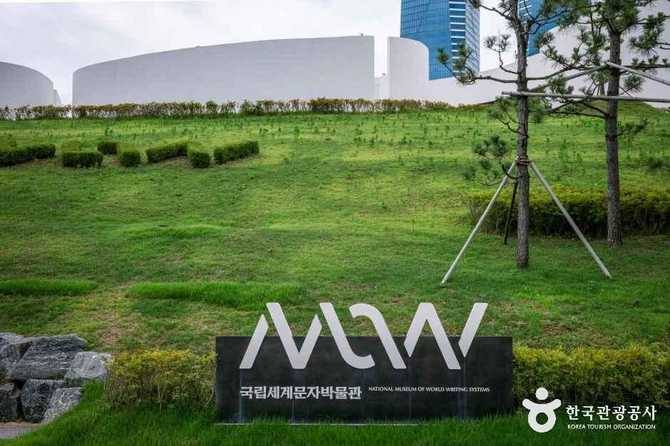
Location 인천광역시 연수구 센트럴로 217
Location 인천광역시 연수구 센트럴로 217
Are you fascinated by the history of human communication and the diverse scripts used around the world? Discover the National Museum of World Scripts, Korea’s unique institution dedicated to exploring the evolution of writing systems across cultures. Whether you’re a scholar, student, or curious traveler, this museum offers an immersive experience into the history and cultural significance of scripts from ancient cuneiform to modern Hangul.
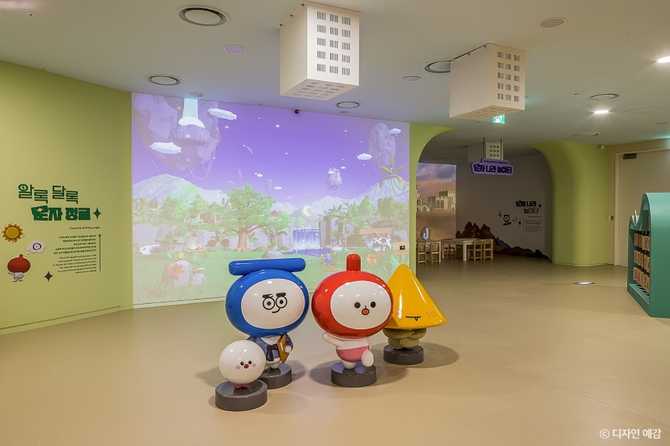
At a glance
- Who this is for
-
- Researchers and students interested in the history of writing and linguistics
- Travelers eager to explore world cultural heritage through scripts
- Educators and cultural institutions seeking educational resources
- Key takeaways
-
- Third script museum in the world, after France and China
- Displays from ancient cuneiform to contemporary Hangul
- Offers educational programs and cultural exchange exhibitions
- Located at Incheon, easily accessible by public transport and car
- Open year-round with convenient hours and free admission
- Tips & cautions
-
- Check operating hours and holiday schedule before visiting
- Parking fees apply; arrive early for free parking within limits
- During public holidays, opening hours may vary
- Plan your visit around special exhibitions or events
- Bottom line
- Experience the rich history of human communication at Korea’s premier script museum, a must-visit for culture and history enthusiasts.
Welcome to the National Museum of World Scripts, Korea’s leading institution dedicated to the study and exhibition of writing systems from around the globe. Located in Incheon, this museum offers visitors a rare opportunity to explore the evolution of scripts, from the earliest cuneiform inscriptions to the modern Hangul alphabet. As the third such museum worldwide, following France and China, it plays a vital role in preserving and showcasing the world’s cultural heritage related to written language.
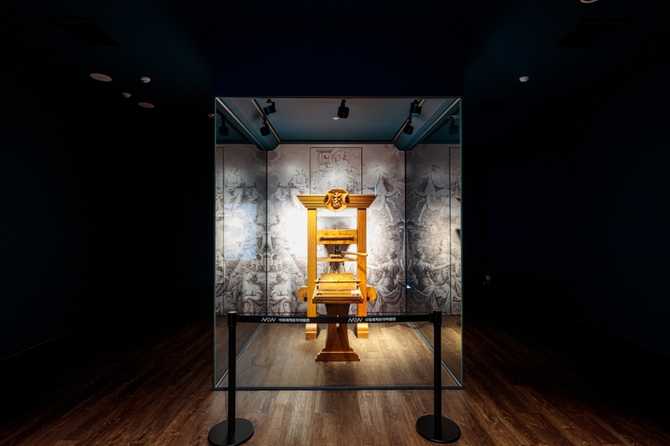

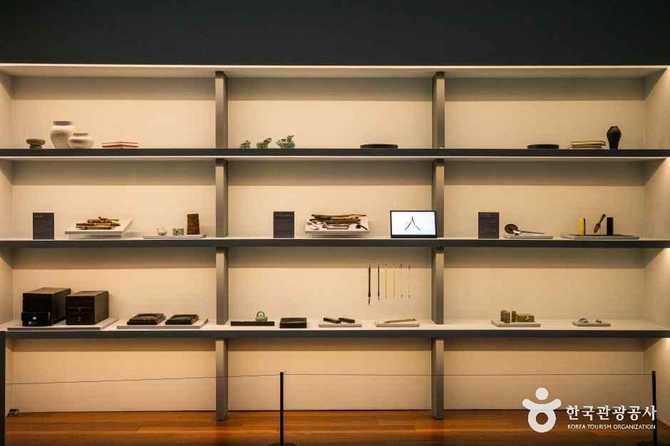
The museum’s exhibits encompass a wide range of scripts used by different civilizations, highlighting their cultural contexts and development. Visitors can see ancient artifacts, learn about the history of writing, and participate in educational programs designed to deepen understanding of linguistic diversity. Whether you’re a researcher, student, or simply a curious traveler, the National Museum of World Scripts promises an enriching experience that bridges history, culture, and communication.

Open year-round from 10:00 AM to 6:00 PM, the museum is conveniently located at 217 Central-ro, Yeonsu-gu, Incheon. Admission is free, though parking fees apply, making it accessible for all visitors. Before planning your visit, be sure to check the official schedule for holidays and special events to maximize your experience. Dive into the fascinating world of scripts and discover how human beings have communicated across time and space at this unique cultural landmark.

Overview and History of the National Museum of World Scripts
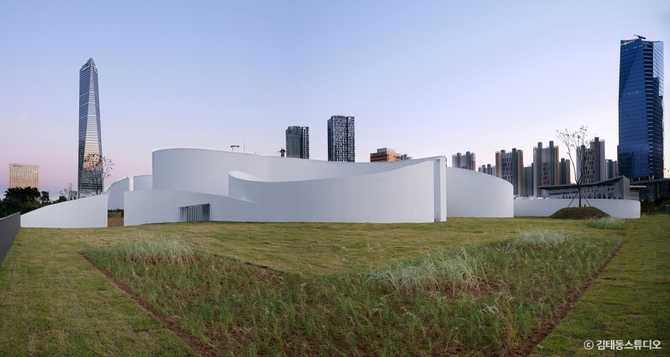
The National Museum of World Scripts is Korea’s premier institution dedicated to exploring the fascinating history and diversity of written languages across the globe. Located at 217 Central-ro, Yeonsu-gu, Incheon, this museum offers visitors a comprehensive journey through the evolution of scripts, from ancient civilizations to modern alphabets. As the third museum of its kind worldwide, following France and China, it plays a vital role in preserving and showcasing the cultural heritage embedded in writing systems.
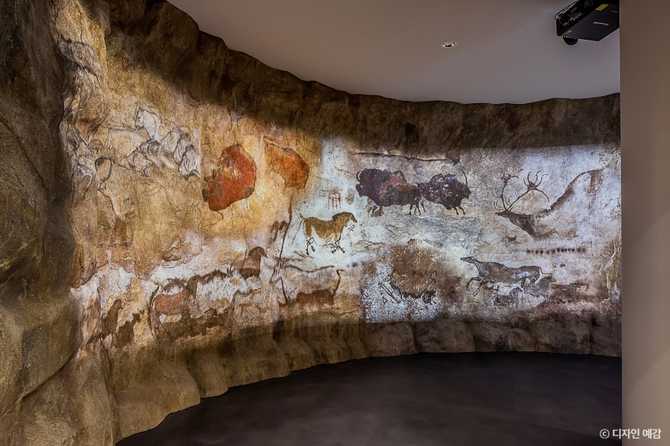
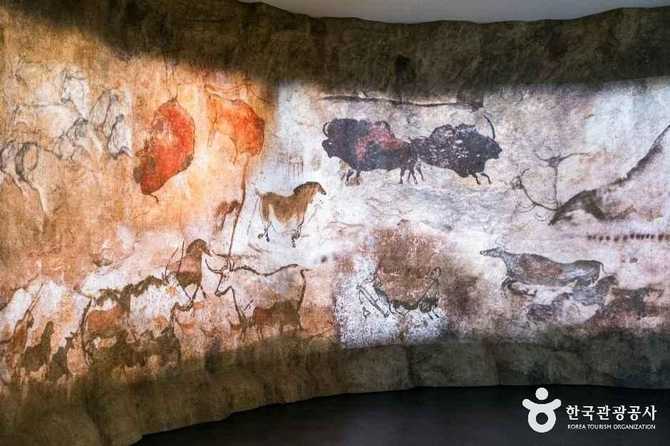
Established with the goal of deepening understanding of human communication, the museum exhibits a wide array of artifacts, including cuneiform tablets, hieroglyphs, Chinese characters, and modern scripts like Hangul. Its collection highlights not only the development of individual scripts but also their cultural significance and the way they facilitated communication among diverse civilizations. Visitors can explore the origins of writing, from the earliest wedge-shaped cuneiform inscriptions to contemporary digital scripts.

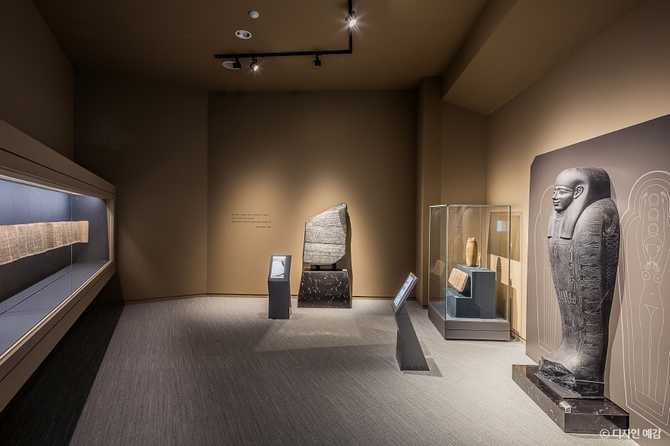
The museum also emphasizes cultural exchange and education through various programs and exhibitions. It serves as a hub for scholars, students, and tourists interested in linguistic history and cultural heritage. Its role extends beyond mere display; it actively promotes research and international cooperation in the field of script studies. The museum’s strategic location in Incheon makes it accessible via public transportation and car, inviting both local visitors and international travelers to experience the rich tapestry of human communication.
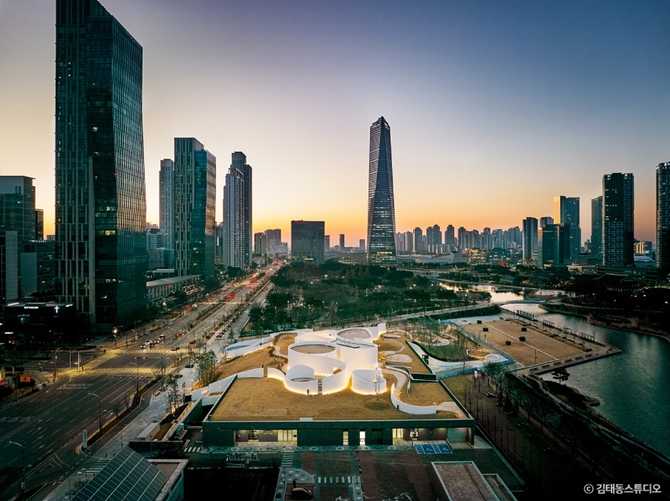
Open all year from 10:00 AM to 6:00 PM, the museum is a must-visit for anyone interested in the history of writing. Admission is free, though parking fees apply, making it an accessible cultural destination. The museum’s commitment to education and cultural preservation makes it a vital resource for understanding how human societies have communicated across time and space. Before visiting, it’s advisable to check the holiday schedule and special exhibitions to ensure a smooth experience.

Comparison of Exhibits and Key Features at the National Museum of World Scripts
| Item | Details | Remarks |
|---|---|---|
| Main Themes | History of writing, cultural significance, script evolution | Focused on global scripts from ancient to modern times |
| Exhibits | Ancient cuneiform, hieroglyphs, Chinese characters, Hangul, modern scripts | Includes interactive displays and artifact showcases |
| Educational Programs | Workshops, lectures, cultural exchange activities | Operates throughout the year for various age groups |
| Location & Accessibility | Incheon, well-connected via public transport and car | Ample parking available with fee structure |
| Operating Hours | 10:00 AM to 6:00 PM daily, last entry at 5:30 PM | Closed on Mondays and major holidays |
This comparison table highlights the core features of the National Museum of World Scripts, emphasizing its diverse exhibits, educational offerings, and accessibility. Whether you’re interested in ancient scripts or modern writing systems, this museum provides a comprehensive overview of the evolution and cultural importance of scripts worldwide.

Visitor Information and How to Visit
- Location: 217 Central-ro, Yeonsu-gu, Incheon
- Transportation: Accessible via public transit (Incheon subway lines, buses) and by car.
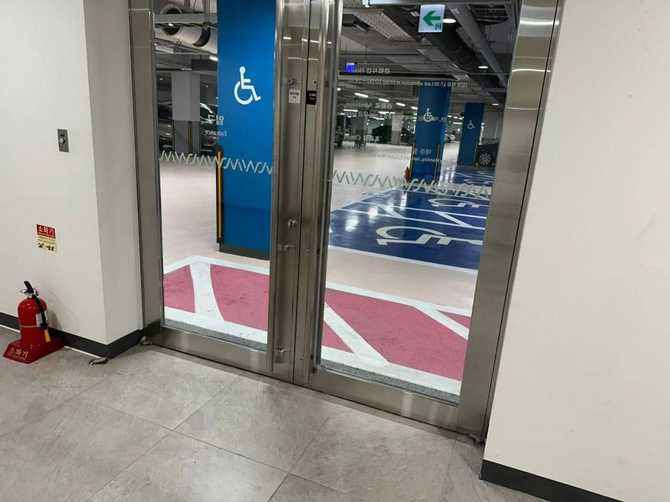
- Parking: Available on-site with a fee structure of 1,000 KRW for the first 60 minutes and up to 5,000 KRW maximum.
- Operating Hours: 10:00 AM to 6:00 PM daily, with last admission at 5:30 PM.
- Closed: Every Monday, January 1st, and during major Korean holidays like Seollal and Chuseok.
- Admission Fee: Free for general entry; special exhibitions or programs may incur charges.
- Visit Tips: Check the official website or contact the museum before your visit to confirm special events or closures.
To ensure a smooth visit, it is recommended to verify the current operating hours and any special events. The museum’s accessible location and free admission make it an excellent choice for a cultural and educational outing. Remember to arrive early to enjoy the exhibits without rush and to explore the various educational programs offered throughout the year.
Operating Hours and Closure Schedule of the National Museum of World Scripts
| Category | Details |
|---|---|
| Operating Hours | 10:00 AM to 6:00 PM daily, with the last admission at 5:30 PM |
| Regular Closures | Every Monday, January 1st, and major Korean holidays such as Seollal (Lunar New Year) and Chuseok (Korean Harvest Festival) |
| Special Holiday Notice | If a public holiday falls on a Monday, the museum will open that day but will be closed the following day. Please verify the schedule before your visit. |
Visitor Checklist for a Smooth Experience at the National Museum of World Scripts
- Verify the museum’s current operating hours and holiday schedule on the official website or by contacting the museum directly before your visit.
- Check for any upcoming special exhibitions, events, or temporary closures that might affect your visit.
- Ensure your transportation plans include parking arrangements; note that parking fees are 1,000 KRW for the first 60 minutes, with a maximum of 5,000 KRW.
- Plan to arrive early, ideally before 5:30 PM, to enjoy the exhibits without rushing.
- Prepare for possible weather conditions, especially if you plan to use the on-site parking or walk from nearby public transit stations.
- Bring necessary identification or tickets if required for special exhibitions or educational programs.
- Review the museum’s rules regarding photography, mobile phone use, and behavior to ensure respectful visitation.
- Consider downloading any available digital guides or resources to enrich your experience during the visit.
- For international visitors, plan your route using online maps or transportation apps to reach the museum efficiently.
- Check the museum’s social media channels for real-time updates on events or unexpected closures.
Whether you visit during the day or evening, Explore the National Museum of is a meaningful stop on any Seoul itinerary for history-minded travelers.
Frequently Asked Questions (FAQ)
Q1: Where is the National Museum of World Scripts located?
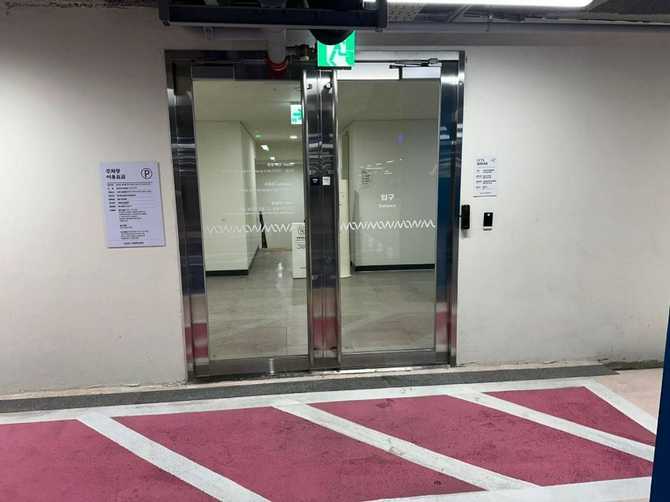
The museum is situated at 217 Central-ro, Yeonsu-gu, Incheon, South Korea. It is easily accessible by public transportation and car, with parking facilities available nearby.
Q2: What are the operating hours and closed days of the museum?
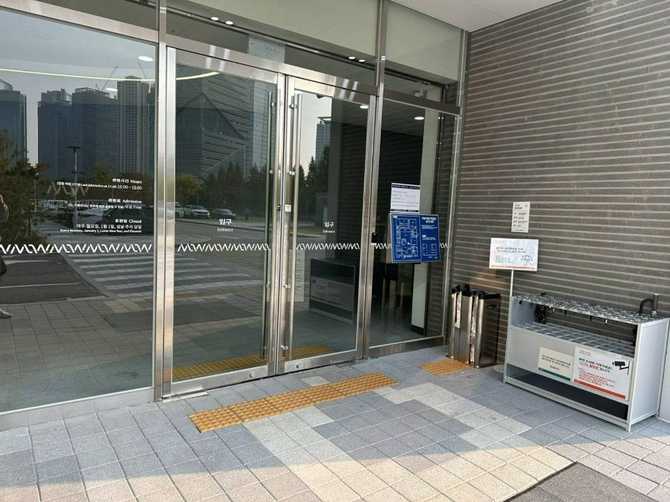
The museum operates daily from 10:00 AM to 6:00 PM, with the last entry at 5:30 PM. It is closed every Monday, as well as on January 1st, and during major Korean holidays like Seollal and Chuseok.
Q3: Is there an admission fee to visit the museum?
No, general admission to the museum is free. However, special exhibitions or programs may require an additional fee.
Q4: How much does parking cost at the museum?
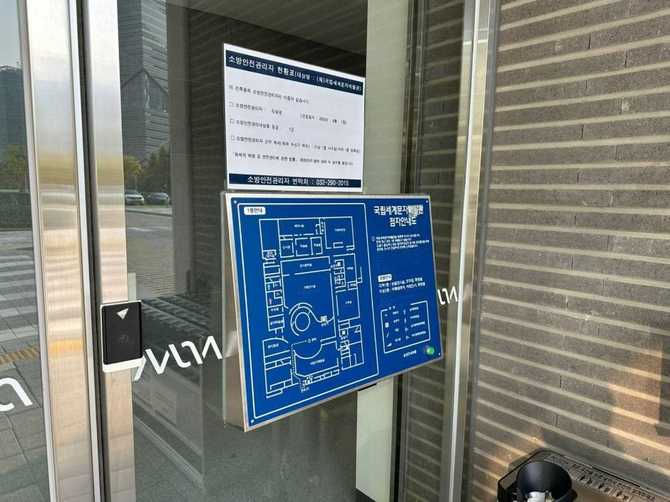
The first 60 minutes of parking cost 1,000 KRW, with an additional 500 KRW charged every 30 minutes. The maximum parking fee is 5,000 KRW.
Q5: What types of exhibits are displayed at the museum?

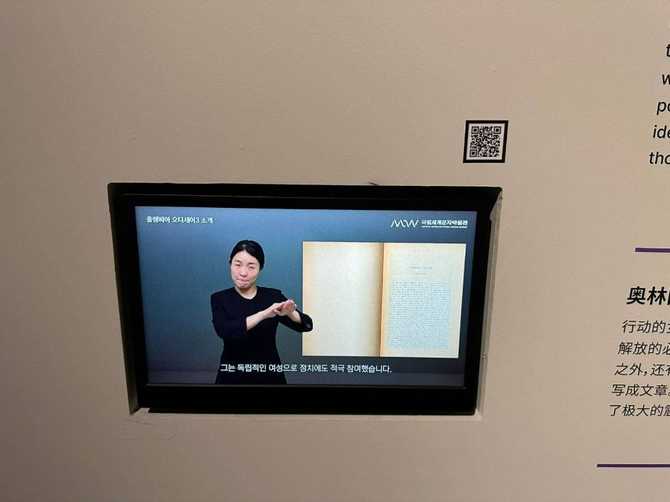
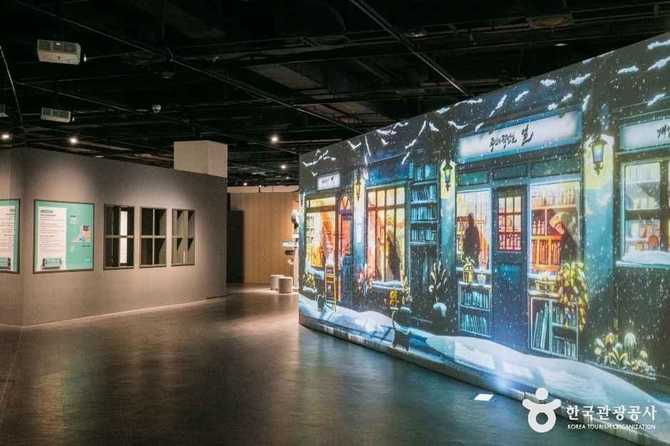
The museum features artifacts from ancient cuneiform to modern scripts like Hangul, including hieroglyphs, Chinese characters, and other cultural writing systems. Interactive displays and artifact showcases are also part of the exhibits.
Q6: What should I keep in mind before visiting the museum?

Check the operating hours and holiday schedule beforehand, especially during public holidays. Be sure to verify parking fees and any special exhibitions or events planned during your visit.
Important Closing Information for the National Museum of World Scripts
When planning your visit to the National Museum of World Scripts, it is essential to be aware of its operating hours and closure schedule to ensure a smooth and enjoyable experience. The museum operates every day from 10:00 AM to 6:00 PM, with the last entry allowed until 5:30 PM. However, the museum is closed on every Monday, which is a regular weekly holiday. Additionally, it does not open on major Korean holidays such as New Year’s Day, Seollal (Lunar New Year), and Chuseok (Korean Thanksgiving). If a public holiday falls on a Monday, the museum will open on that day but will be closed the following day, so visitors should plan accordingly.
It is highly recommended to check the museum’s official website or contact their information desk before your visit, especially during holiday seasons or special exhibition periods. This helps to avoid any inconvenience caused by unexpected closures or schedule changes. Keep in mind that during peak holiday seasons or special events, operating hours might be adjusted, and some temporary closures could occur. Planning ahead ensures you won’t miss out on the rich exhibits and educational programs that make the National Museum of World Scripts a must-visit destination for anyone interested in the history of human communication.
By staying informed about the museum’s closure schedule, you can better organize your visit and make the most of your cultural experience. Remember to verify the latest information through official channels before heading to the museum, especially if you are traveling from afar or planning a special trip. Proper planning will allow you to fully enjoy the exhibits, participate in educational activities, and appreciate the significance of world scripts in human history. The National Museum of World Scripts offers a unique opportunity to explore the evolution of writing systems, and knowing its schedule helps ensure your visit is both enjoyable and rewarding.