
출처 : ⓒ한국관광콘텐츠랩 또는 ⓒ한국관광공사
Discover the Ancient Sachonri Pine Tree: Korea’s Natural Heritage
Location 경상북도 의성군 점곡면 사촌리 205
Location 경상북도 의성군 점곡면 사촌리 205
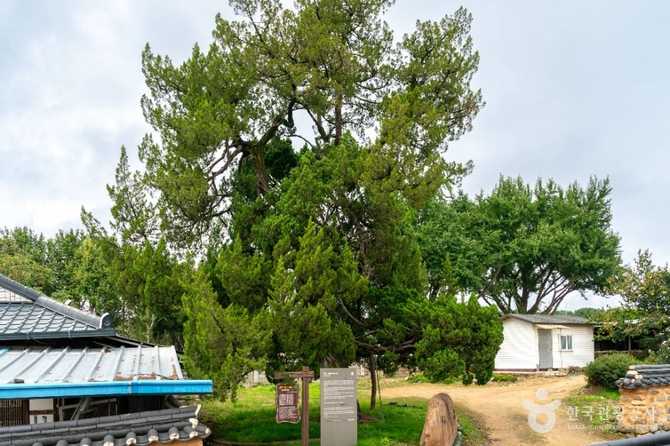
Are you interested in exploring Korea’s rich natural and cultural history? Visiting the Sachonri Pine Tree in Uiseong offers a unique opportunity to experience a 500-year-old natural monument that embodies Korea’s traditional landscape and heritage. This iconic pine tree, located in Gyeongsangbuk-do, stands as a living testament to Korea’s historical relationship with nature and its cultural significance spanning centuries.
Whether you’re a history enthusiast, a nature lover, or a traveler eager to learn about Korea’s traditional landscapes, the Sachonri Pine Tree provides a meaningful glimpse into Korea’s past. Its impressive age, well-preserved condition, and tranquil surroundings make it an ideal destination for those seeking an authentic experience of Korea’s natural and cultural treasures. Best of all, it’s accessible year-round and free to visit, making it an excellent addition to your travel itinerary.

At a glance
- Who this is for
-
- Travelers interested in Korea’s natural heritage and history
- Visitors exploring regional cultural assets in Gyeongsangbuk-do
- History buffs wanting to see a 500-year-old tree with cultural significance
- Nature lovers seeking peaceful outdoor experiences
- Anyone wanting to learn about Korea’s traditional landscape preservation
- Key takeaways
-
- Approximate age: 500 years, height: 8 meters, trunk diameter: 2.5 meters
- Designated as Gyeongsangbuk-do Natural Heritage (2024.07.11)
- Located in Mankuchadang alley, Sachonri, Yeongju-myeon, Uiseong-gun
- Managed by the Andong Kim clan’s Mankuchadang lineage
- Open year-round, free entrance, minimal visitor restrictions
- Tips & cautions
-
- Respect the natural environment; avoid damaging the tree or surroundings
- Visit quietly to preserve the peaceful atmosphere
- Refrain from littering and follow local guidelines for preservation
- Use designated parking areas when arriving by vehicle
- Photography is encouraged, but be mindful of the environment
- Bottom line
- Experience Korea’s natural and cultural heritage firsthand by visiting the historic Sachonri Pine Tree, a living symbol of centuries-old tradition and natural beauty.
Discovering Korea’s traditional landscapes and natural monuments is a rewarding experience. The Sachonri Pine Tree, with its remarkable 500-year history, offers visitors a chance to connect with Korea’s past through its enduring natural beauty. Located in the scenic region of Uiseong, this ancient pine tree has been cared for by local communities and heritage organizations, ensuring its preservation for future generations.
As a designated natural heritage site, the Sachonri Pine Tree embodies Korea’s deep respect for nature and history. It stands as a testament to the country’s cultural continuity, from the Joseon Dynasty to modern times. Visitors can enjoy a peaceful walk around the tree, appreciating its majestic presence and the surrounding natural environment. Whether you’re interested in traditional Korean culture, natural conservation, or simply seeking a tranquil outdoor experience, this historic pine tree is a must-see destination.
Overview of the Sachonri Pine Tree: Korea’s Natural Heritage
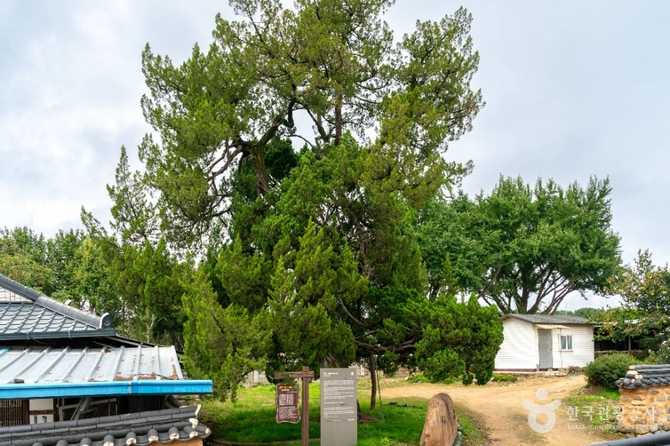
The Sachonri Pine Tree in Uiseong is a remarkable natural monument that embodies Korea’s rich cultural and natural history. Recognized as a designated natural heritage of Gyeongsangbuk-do, this historic pine tree has stood for over 500 years, serving as a living symbol of Korea’s traditional landscape and environmental conservation. Located in the scenic region of Sacho-ri, the tree’s impressive age and well-preserved condition make it an essential destination for travelers interested in Korea’s natural heritage and historical continuity.
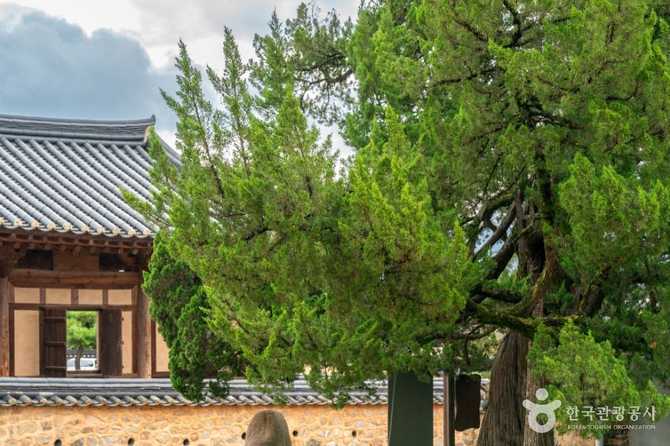
This ancient pine tree, approximately 8 meters tall with a trunk diameter of 2.5 meters, is believed to have been planted during the Joseon Dynasty by the renowned poet Kim Gwang-su. Its distinctive fragrance and unique form have long been associated with traditional Korean rituals, including offerings and ceremonial uses. Managed and protected by the Mankuchadang lineage of the Andong Kim clan, the tree remains in excellent condition thanks to continuous conservation efforts. Visitors can explore this living relic year-round, free of charge, gaining insight into Korea’s historical relationship with nature and cultural practices.
The Sachonri Pine Tree is more than just a natural monument; it is a cultural asset that reflects Korea’s deep respect for environmental preservation and historical continuity. Its preservation highlights the importance of maintaining Korea’s natural landscapes amidst modern development. Whether you are a history enthusiast, a nature lover, or a traveler seeking authentic cultural experiences, visiting this historic pine tree offers a meaningful connection to Korea’s past and its ongoing tradition of nature conservation.

Comparison of Key Features of Korea’s Natural Heritage Trees
| Feature | Sachonri Pine Tree | Other Notable Trees |
|---|---|---|
| Age | Approximately 500 years | Varies; some over 1000 years (e.g., Juwangsan pine) |
| Height | About 8 meters | Range from 5 to 20 meters depending on species |
| Trunk Diameter | 2.5 meters | Typically smaller; some mature trees over 3 meters |
| Cultural Significance | Designated natural heritage; used in traditional rituals | Varies; some are sacred, others are natural landmarks |
| Location | Sacho-ri, Uiseong-gun, Gyeongsangbuk-do | Various regions across Korea, including Juwangsan and Seoraksan |
| Management & Conservation | Managed by the Mankuchadang lineage of the Andong Kim clan | Managed by local communities, government agencies, or cultural organizations |
Current Preservation and Management of the Sachonri Pine Tree
- Regular Monitoring: The tree undergoes periodic inspections by the Mankuchadang lineage, ensuring its health and structural integrity.
- Environmental Care: Surrounding natural environment is maintained to prevent pollution and physical damage, preserving the tree’s habitat.
- Conservation Efforts: Ongoing preservation activities include pruning, soil management, and protective measures against natural threats such as storms or pests.
- Community Involvement: The local community actively participates in maintaining the site, fostering a sense of shared responsibility for the tree’s longevity.
- Visitor Guidelines: Clear instructions are provided to visitors to minimize disturbance, including respecting the quiet atmosphere and avoiding physical contact with the tree.
Visitor Information and Tips for the Sachonri Pine Tree
| Aspect | Details |
|---|---|
| Location | 205 Sacho-ri, Jeongok-myeon, Uiseong-gun, Gyeongsangbuk-do |
| Opening Hours | Open year-round, 24 hours |
| Admission Fee | Free |
| Contact | 054-830-6549 (Uiseong-gun Tourism & Culture Division) |
| Best Visiting Time | Any season, as it is open year-round |
Visitor Checklist for the Sachonri Pine Tree
- Confirm the location and opening hours before your visit.
- Prepare comfortable walking shoes suitable for outdoor terrain.
- Carry a camera or smartphone for photography, ensuring environmental respect.
- Follow local guidelines to preserve the natural environment and the tree.
- Refrain from littering; bring a small bag for trash if necessary.
- Maintain a quiet demeanor to respect the peaceful surroundings.
- Use designated parking areas and avoid obstructing pathways.
- Do not climb or damage the tree to ensure its preservation.
- Share your experience responsibly, encouraging others to respect the site.
Whether you visit during the day or evening, Discover the Ancient Sachonri Pine is a meaningful stop on any Seoul itinerary for history-minded travelers.
Frequently Asked Questions (FAQ)
Q1 When is the best time to visit the Sachonri Pine Tree?
The Sachonri Pine Tree is open year-round and can be visited at any time. Since it is accessible 24 hours, visitors can choose the most convenient season or time of day to experience its natural beauty and tranquility.

Q2 Is there an entrance fee to see the Sachonri Pine Tree?
No, visiting the Sachonri Pine Tree is completely free. It is open to the public at all times without any admission charges, making it accessible for everyone.

Q3 What should visitors keep in mind when visiting the Sachonri Pine Tree?
Visitors should respect the natural environment by avoiding littering and not damaging the tree or surrounding area. Maintaining a quiet and respectful demeanor helps preserve the peaceful atmosphere and the tree’s condition.
Q4 Are there parking facilities available near the Sachonri Pine Tree?
Yes, there are designated parking areas available for visitors. After parking, follow the signage to reach the tree and enjoy your visit.
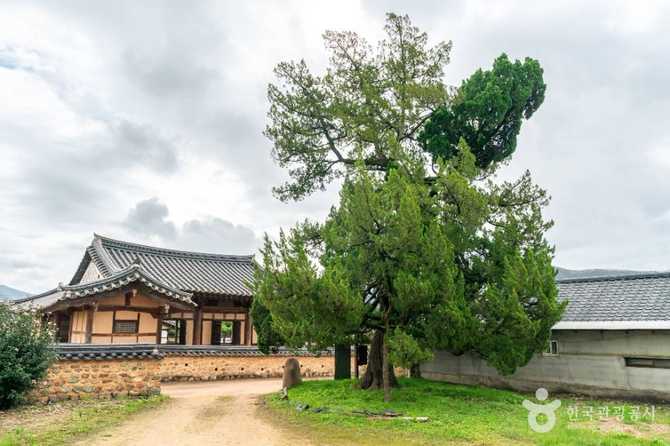
Q5 Can I take photos of the Sachonri Pine Tree?
Photography is encouraged, but visitors should be mindful of the environment. Be respectful of the surroundings and avoid causing any disturbance while capturing images.
Q6 How is the preservation of the Sachonri Pine Tree managed?
The tree is managed by the Mankuchadang lineage of the Andong Kim clan, who conduct regular inspections and conservation activities. They ensure the tree remains healthy and protected against natural threats and human impact.
Experience the Timeless Beauty of Korea’s Natural Heritage at the Sachonri Pine Tree
Visiting the Sachonri Pine Tree in Uiseong offers a rare opportunity to connect with Korea’s rich natural and cultural history. As a natural monument with over 500 years of history, this majestic pine tree stands as a testament to Korea’s deep respect for environmental preservation and traditional landscape. Its well-preserved condition and tranquil surroundings make it an ideal destination for travelers seeking authentic cultural experiences and a peaceful outdoor retreat. Whether you are a history enthusiast, a nature lover, or someone interested in Korea’s heritage, the Sachonri Pine Tree provides a meaningful encounter with the country’s enduring natural beauty and historical continuity.
Remember, this natural monument is open year-round and free to visit, making it easily accessible for all visitors. Respect for the environment and the preservation efforts by the local community ensure that this cultural asset remains pristine for future generations. When planning your trip, consider visiting during quiet hours to fully appreciate the serenity of the site. Take your time to absorb the peaceful atmosphere, capture memorable photographs responsibly, and reflect on Korea’s long-standing tradition of harmony between nature and culture. The Sachonri Pine Tree is more than just a natural landmark; it’s a living symbol of Korea’s historical and environmental legacy, waiting for you to explore and cherish.