
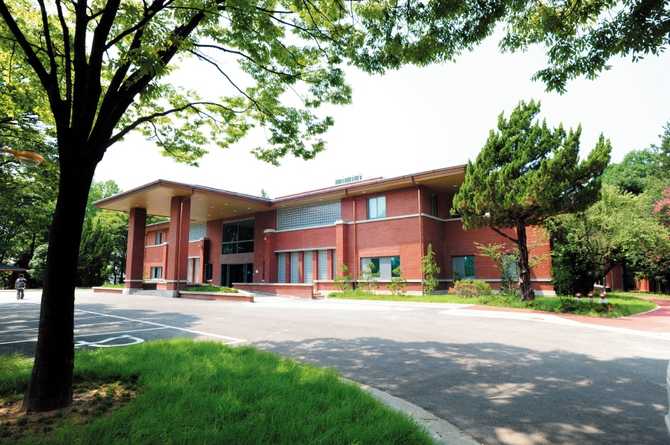
출처 : ⓒ한국관광콘텐츠랩 또는 ⓒ한국관광공사
Discover Gwangju Hajeongwoong Museum: Your Guide to Korea’s Premier Art Space
Location 광주광역시 서구 상무대로 1165
Location 광주광역시 서구 상무대로 1165
Are you seeking an enriching cultural experience in Korea? The Gwangju Hajeongwoong Museum offers visitors a unique opportunity to explore regional art, enjoy engaging exhibitions, and immerse themselves in Korea’s vibrant cultural scene. Whether you’re an art enthusiast, a local resident, or a curious traveler, this guide provides essential information to make your visit memorable and rewarding.
At a glance
- Who this is for
-
- Visitors interested in regional Korean art
- Cultural enthusiasts and art students
- Local residents seeking cultural activities
- Travelers exploring Gwangju’s art scene
- Participants in art education programs
- Key takeaways
-
- Established in 1981 as a branch of Gwangju City Art Museum
- Focuses on regional art collection and exhibitions
- Operates year-round with free general admission
- Hosts temporary paid special exhibitions and events
- Offers educational programs and community activities
- Tips & cautions
-
- Check operating hours and holiday closures before visiting
- Limited parking available; use public transportation
- Some exhibitions may require an entrance fee
- Respect artwork and follow photography guidelines
- Plan ahead for special exhibitions which may be paid
- Bottom line
- Gwangju Hajeongwoong Museum is a must-visit destination for experiencing Korea’s regional art and culture in a vibrant, accessible setting.
Welcome to the comprehensive guide on Gwangju Hajeongwoong Museum, a cultural landmark that has been fostering regional art appreciation since its founding in 1981. Located in the heart of Gwangju, this museum serves as a vital hub for both contemporary and traditional Korean art, with a special focus on local artists and collections. Whether you are an art lover, a student, or a tourist seeking meaningful cultural activities, understanding the museum’s history, exhibitions, and visitor tips will help you make the most of your visit.
As a prominent art institution in Gwangju, the Hajeongwoong Museum offers free general admission, making it an accessible cultural resource for all. Its exhibitions range from historical collections to modern art, with special temporary exhibitions often requiring an admission fee. The museum also runs educational programs, community events, and workshops that foster engagement with the arts.
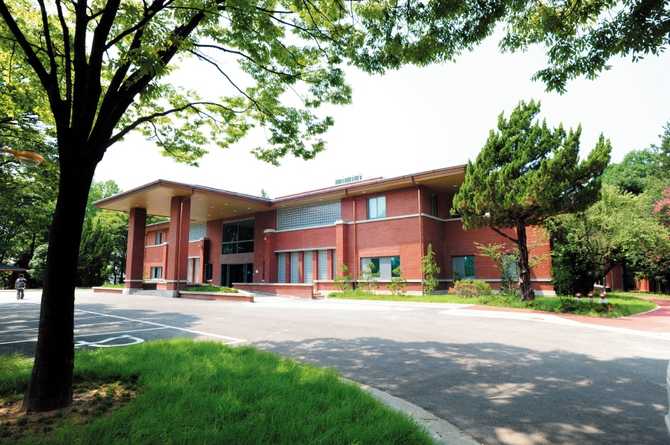
Before you visit, be sure to check the museum’s operating hours, holiday closures, and any upcoming special exhibitions. Parking can be limited, so public transportation is recommended for convenience. This guide aims to provide all the essential details—location, hours, exhibitions, tips, and FAQs—so you can plan a smooth, enriching experience at Gwangju Hajeongwoong Museum.
Gwangju Hajeongwoong Museum Overview and History
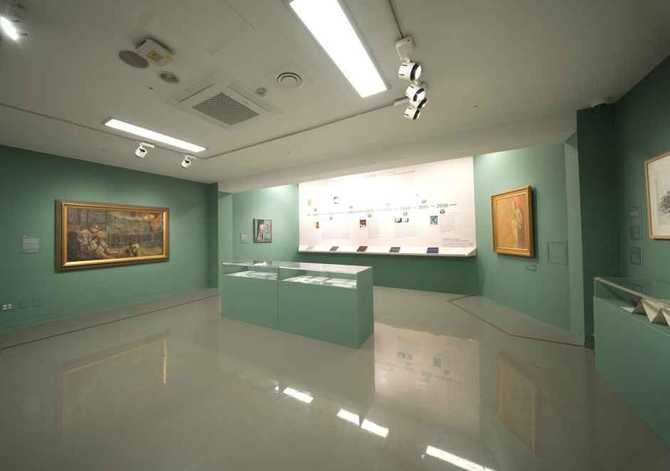
The Gwangju Hajeongwoong Museum is a prominent cultural institution dedicated to promoting regional art and fostering community engagement through diverse exhibitions and educational programs. Established in 1981, this museum has played a vital role in enriching the local cultural landscape of Gwangju, South Korea. Originally serving as a government residence, it was later transformed into a public art museum that emphasizes the collection and display of artworks from the Gwangju region, including contemporary and traditional pieces. The museum functions as a branch of the Gwangju City Art Museum, with a focus on supporting local artists and preserving the unique artistic heritage of the area.
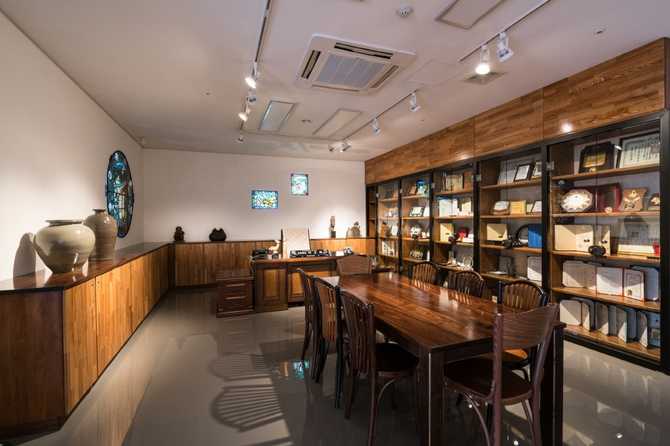
Throughout its history, the Gwangju Hajeongwoong Museum has undergone significant changes to better serve its mission. In 2008, it expanded its scope by actively operating as a dedicated exhibition space for regional art, hosting both permanent collections and temporary exhibitions. These exhibitions include works by local artists, modern art, and special thematic shows that reflect the cultural identity of Gwangju. In 2017, the museum was reorganized to center around the Hajeongwoong Collection, a curated selection of artworks that showcases the evolution of regional art from historical to contemporary pieces. This shift helped establish the museum as a key hub for research and exhibitions related to Gwangju’s artistic history.
Today, the Gwangju Hajeongwoong Museum continues to serve as an accessible cultural space, offering free general admission to promote community participation. It hosts a variety of exhibitions, educational programs, and community events aimed at engaging residents and visitors alike. Its strategic location in the western part of Gwangju makes it easily reachable via public transportation, and its mission remains focused on fostering a vibrant local art scene while providing a platform for dialogue and cultural exchange. Visitors can explore both historical and contemporary artworks, participate in workshops, and enjoy cultural activities that highlight Gwangju’s artistic spirit. Whether you are a local resident or a traveler interested in Korean regional art, understanding the museum’s rich history and ongoing contributions will deepen your appreciation for Gwangju’s vibrant cultural identity.
Gwangju Hajeongwoong Museum Operating Hours and Visiting Guide
| Category | Details |
|---|---|
| Operating Hours | 10:00 AM – 6:00 PM daily (closed on Mondays and public holidays) |
| Closed Days | Mondays, New Year’s Day (January 1), and during Chuseok and Lunar New Year holidays |
| Admission Fee | Free for general exhibitions; some special exhibitions may require an entrance fee |
| Location | 1165 Sangmu-daero, Seo-gu, Gwangju |
| Transportation | Easily accessible via public buses and subway; nearby bus stops and subway stations are within walking distance |
| Parking | Limited parking available; public transportation recommended |
Visitors are advised to check the museum’s official website or contact the museum directly at 062-613-5390 before planning their visit, especially if attending during special exhibitions or events. Since the museum is closed on Mondays and public holidays, planning ahead ensures a smooth experience. It is also recommended to arrive early during weekends or busy periods to enjoy the exhibits without rush. The museum’s location in Gwangju makes it accessible via various modes of transportation, with nearby bus stops and subway stations. For those driving, limited parking is available, so public transit is encouraged to avoid inconvenience. Remember to verify the current operating hours and any temporary closures or special event schedules to make the most of your visit.
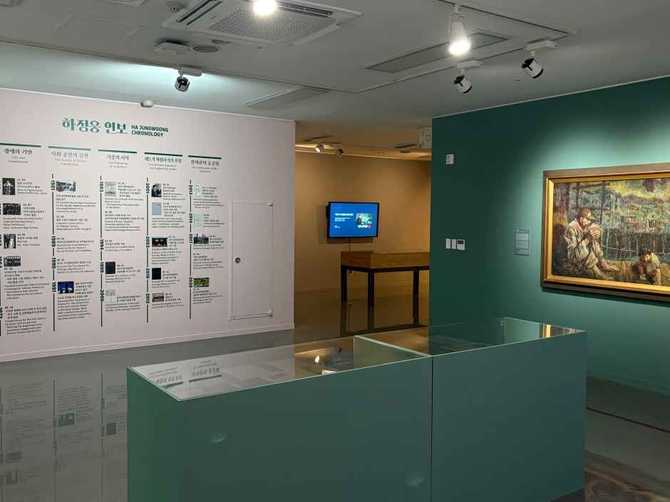
Exhibitions and Special Events at Gwangju Hajeongwoong Museum
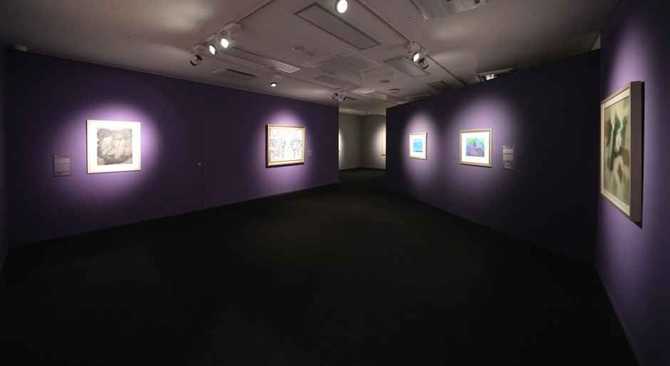
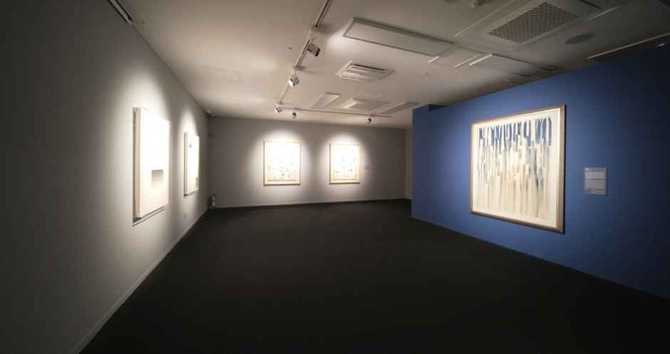
- Permanent Collection Exhibitions: The museum primarily features the Hajeongwoong Collection, which showcases a comprehensive array of regional artworks, including traditional Korean paintings, sculptures, and modern art pieces by local artists.
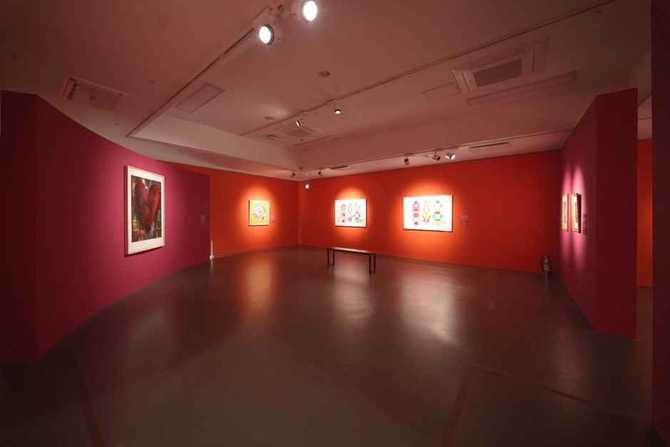
- Temporary and Special Exhibitions: Throughout the year, the museum hosts various themed exhibitions, often focusing on Gwangju’s cultural history, contemporary art trends, or collaborations with other institutions. These exhibitions may be paid, so checking the schedule in advance is recommended.
- Research and Art Collections: The museum emphasizes research activities centered on regional art, with a dedicated space for studying and displaying the Hajeongwoong Collection, contributing to academic and artistic discourse.
- Educational Programs and Workshops: Regularly scheduled classes, artist talks, and hands-on workshops are available for visitors of all ages, promoting active engagement with art and culture.
- Community and Cultural Events: The museum organizes cultural festivals, community art projects, and participatory events to foster local pride and cultural exchange.
Visitor Tips & Important Notes for Gwangju Hajeongwoong Museum
- Check Operating Hours: Before your visit, verify the museum’s current opening hours on their official website or by calling 062-613-5390, especially during holiday seasons or special events, as hours may vary seasonally.
- Plan for Holidays and Closures: Remember that the museum is closed every Monday, as well as on New Year’s Day (January 1), and during Chuseok and Lunar New Year holidays. Visiting on non-closed days ensures a smoother experience.
- Admission and Fees: General exhibitions are free of charge. However, some special or temporary exhibitions may require an entrance fee, so check the schedule in advance.
- Transportation and Parking: Limited parking is available on-site. To avoid inconvenience, it is recommended to use public transportation such as buses or the subway, which are conveniently accessible nearby.
- Artwork Preservation: To protect the artworks, flash photography is strictly prohibited. When taking photos, follow the museum’s guidelines and respect the artworks and other visitors.
- Arrive Early During Peak Times: To enjoy the exhibits without crowds, consider arriving early, especially on weekends or during special exhibitions.
- Special Exhibition Notices: During special exhibition periods, some displays may require an entrance fee. Confirm details beforehand to avoid surprises.
-
- A: The museum is located at 1165 Sangmu-daero, Seo-gu, Gwangju, South Korea, easily accessible by public transportation.
-
- A: The museum operates daily from 10:00 AM to 6:00 PM, closed on Mondays and public holidays.
-
- A: General exhibitions are free, but some special exhibitions or events may require an entrance fee. Always check the schedule in advance.
-
- A: Parking space is limited. Visitors are recommended to use public transportation such as buses or the subway for convenience.
-
- A: Please refrain from using flash photography, follow any photography guidelines, and respect the artworks and other visitors.
-
- A: Visit the official Gwangju Hajeongwoong Museum website or contact them directly at 062-613-5390 for the most current information.
Whether you visit during the day or evening, Discover Gwangju Hajeongwoong Museum is a meaningful stop on any Seoul itinerary for history-minded travelers.
Frequently Asked Questions (FAQ)
Q1: Where is Gwangju Hajeongwoong Museum located?
Gwangju Hajeongwoong Museum is located at 1165 Sangmu-daero, Seo-gu, Gwangju, South Korea. It is easily accessible via public transportation, including buses and subway stations nearby.
Q2: What are the operating hours of Gwangju Hajeongwoong Museum?
The museum operates daily from 10:00 AM to 6:00 PM. It is closed every Monday, New Year’s Day, and during major Korean holidays such as Chuseok and Lunar New Year.
Q3: Is there an entrance fee for Gwangju Hajeongwoong Museum?
General admission to the museum is free; however, some special exhibitions or events may require an entrance fee. It is advisable to check the schedule in advance.
Q4: How can I get to the museum using public transportation?
The museum is accessible via local buses and the nearby subway stations. Public transit is recommended due to limited parking space at the museum.
Q5: Are there parking facilities available at the museum?
Parking is limited at the museum, so visitors are encouraged to use public transportation. Nearby public parking lots are available if you choose to drive.
Q6: What should I keep in mind when visiting the exhibitions?
Visitors should avoid using flash photography and follow the museum’s photography guidelines. Be respectful of artworks and other visitors during your visit.
Final Tips for Visiting Gwangju Hajeongwoong Museum
Planning your visit to Gwangju Hajeongwoong Museum in advance will ensure you have a smooth and enjoyable experience. Be sure to double-check the museum’s official hours of operation and holiday closures, especially during peak seasons or special events. Remember that the museum is closed every Monday, as well as on New Year’s Day and during major Korean holidays such as Chuseok and Lunar New Year, so scheduling your visit on open days is essential. If you are interested in specific exhibitions or special programs, it’s a good idea to confirm whether any admission fees apply, as some temporary or special exhibitions may require a ticket purchase. Additionally, consider using public transportation, since parking is limited and the museum’s location in Gwangju is easily accessible via bus or subway. Respect the artworks by following photography guidelines and refraining from using flash. By preparing ahead, you can fully enjoy the rich cultural offerings of Gwangju Hajeongwoong Museum and make your visit truly memorable. Whether you are an art enthusiast or a casual visitor, these final tips will help you maximize your experience at this esteemed cultural venue.