
출처 : ⓒ한국관광콘텐츠랩 또는 ⓒ한국관광공사
Discover Namsan Gukchi-gil: Korea’s Historic Memorial Trail in Seoul
Location 서울특별시 중구 주자동
Location 서울특별시 중구 주자동
Explore the meaningful history of Korea’s colonial past along Namsan Gukchi-gil, a walking trail that honors resilience and remembrance.
At a glance
- Who this is for
-
- History and culture enthusiasts
- Travelers exploring Seoul’s historical sites
- Students and researchers interested in modern Korean history
- Key takeaways
-
- Approximately 1.7 km historic trail in Seoul’s Namsan area
- Open year-round with accessible public transportation
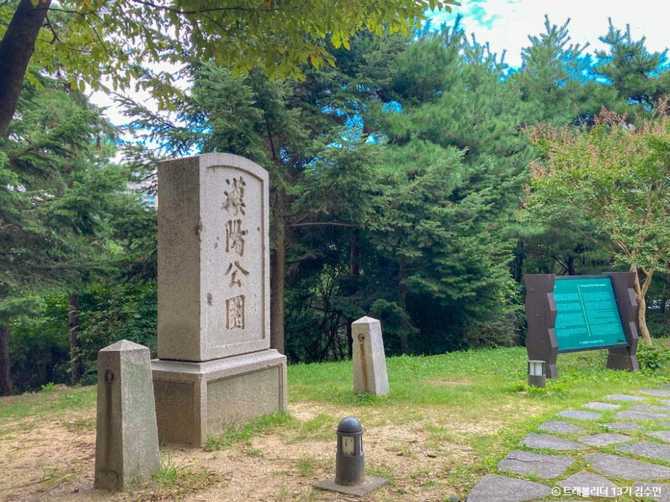
- Features key sites like the former Joseon Government-General Building site, Gapsa Monument, and Gyeongseong Shrine
- Designed to remember Korea’s colonial struggles and promote healing
- Constructed in August 2018 as a commemorative walking route
- Tips & cautions
-
- Visit during daylight hours for safety and better experience
- Use public transportation due to limited parking
- Respect the historical sites and maintain a quiet demeanor
- Wear comfortable shoes suitable for walking
- Bottom line
- Walking Namsan Gukchi-gil offers a profound connection to Korea’s modern history and a space for reflection and remembrance.
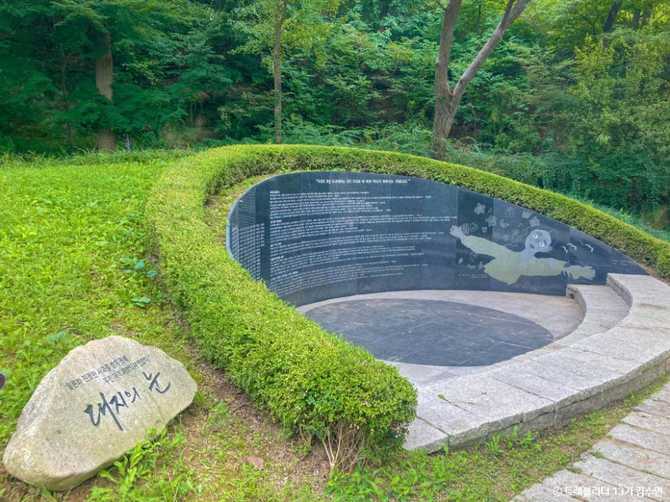
Namsan Gukchi-gil is a significant historical trail located in the heart of Seoul, South Korea. It spans approximately 1.7 kilometers along Namsan Mountain, serving as a poignant reminder of Korea’s colonial past under Japanese rule. Established in August 2018, this trail connects various historical sites and monuments that commemorate Korea’s struggle for independence and sovereignty during the Japanese occupation. Walking along Namsan Gukchi-gil provides visitors with an immersive experience into Korea’s modern history, fostering understanding, reflection, and healing. Whether you are a history enthusiast, a student, or a traveler seeking meaningful cultural experiences, this trail offers a unique opportunity to explore Korea’s past in a respectful and contemplative manner.
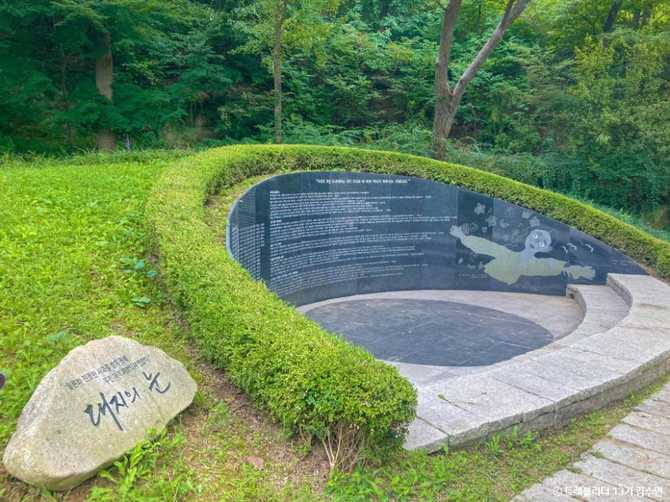
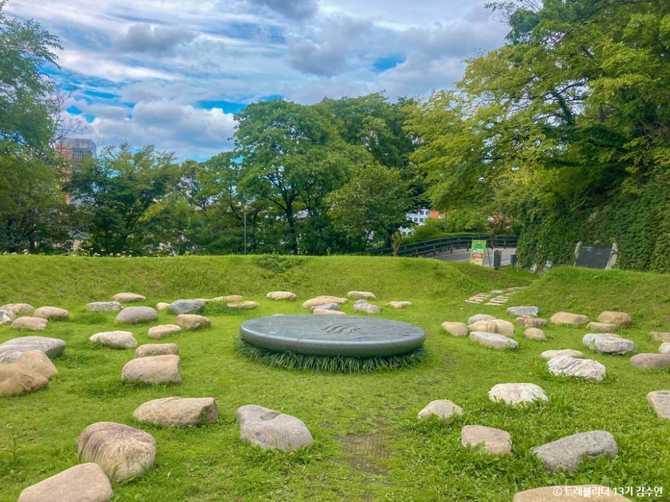
The trail is designed not only as a pathway through historical landmarks but also as a space for education and remembrance. It is open year-round, allowing visitors to explore at their convenience. Given its cultural significance, visitors are encouraged to approach the sites with respect and awareness of their historical importance. Accessibility by public transportation makes it easy to reach, though parking options are limited, so planning ahead is recommended. As you walk along Namsan Gukchi-gil, you will encounter key sites such as the former site of the Joseon Government-General Building, the Gapsa Monument commemorating Korea’s resistance, and the remnants of Gyeongseong Shrine, each telling a part of Korea’s colonial story.
This guide will provide detailed information about Namsan Gukchi-gil, including its history, key landmarks, visiting tips, and how to make the most of your experience. Whether you’re visiting for educational purposes or personal reflection, understanding the significance of this trail will enrich your visit and deepen your appreciation for Korea’s efforts to remember and heal from its colonial past.
Namsan Gukchi-gil Overview and Historical Significance
Namsan Gukchi-gil is a historically significant trail located in Seoul, South Korea, that commemorates Korea’s struggles during the Japanese colonial period. This approximately 1.7-kilometer walking route was established in August 2018 by the Seoul Metropolitan Government to serve as a memorial and educational space. The focus of this trail is to remember the painful history of Korea’s loss of sovereignty during the early 20th century, specifically the 1910 annexation by Japan, known as the Gyeongsul Gukchi (Korean national sovereignty loss). Walking along Namsan Gukchi-gil allows visitors to connect deeply with Korea’s modern history through a series of historical sites, monuments, and markers that narrate the story of resistance, oppression, and eventual healing.
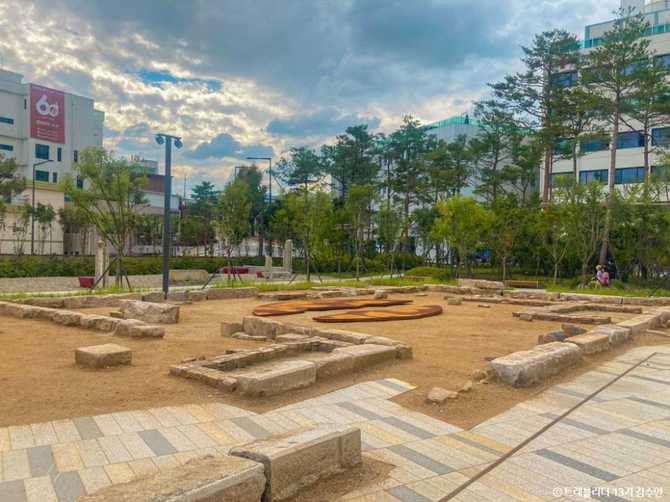
The trail connects key historical landmarks such as the former site of the Joseon Government-General Building, the Gapsa Monument, and the remnants of Gyeongseong Shrine. These sites serve as tangible reminders of Korea’s colonial past, emphasizing the importance of remembering history to foster national pride and resilience. The name “Gukchi” translates to “national loss,” symbolizing the pain of losing sovereignty, but also highlighting the resilience and hope for independence. Visitors walking this path are encouraged to reflect on Korea’s history of resistance and the ongoing journey toward healing and national unity.
Designed as an educational and contemplative space, Namsan Gukchi-gil is accessible year-round and is open to the public free of charge. Its construction aimed to create a space where history is preserved and honored, fostering awareness among locals and tourists alike. The trail’s significance extends beyond just a walk; it is a symbolic journey through Korea’s modern history, making it an essential visit for those interested in Korea’s colonial past, cultural preservation, and national identity. Whether for personal reflection, educational purposes, or cultural enrichment, Namsan Gukchi-gil offers a meaningful experience that connects visitors with Korea’s historical struggles and hopes for the future.
Comparison of Key Landmarks along Namsan Gukchi-gil
| Landmark / Site | Historical Significance | Current Status / Accessibility |
|---|---|---|
| Joseon Government-General Site | The former administrative building during Japanese rule, symbolizing colonial authority and control over Korea. | Remains as a historical site; visitors can view the area from outside, with informational plaques explaining its significance. |
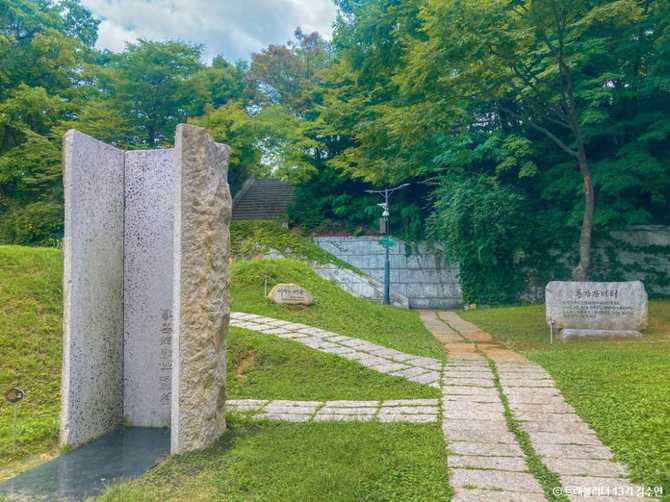
| Gapsa Monument | A monument commemorating Korea’s resistance against Japanese colonization and the struggle for independence. | Accessible year-round; located along the trail with informational signage for visitors. |
| Gyeongseong Shrine Ruins | A shrine built during Japanese occupation, representing colonial religious and cultural imposition. | No longer active; remains are preserved as historical relics, with some areas accessible for viewing. |
| Korean Resistance Markers | Markers and plaques placed along the trail narrate stories of resistance and independence movements. | Easily accessible along the trail; designed for educational purposes and reflection. |
Visiting Tips and Practical Checklist for Namsan Gukchi-gil
- Check transportation options: Use public transportation such as buses or subway to reach Namsan Park; parking is limited, so plan accordingly.
- Wear comfortable footwear: The trail involves walking on uneven surfaces and inclines, so sturdy shoes are recommended.
- Bring water and sun protection: Especially during summer months, stay hydrated and protect yourself from the sun with hats or sunscreen.
- Respect the sites: Maintain a respectful attitude when visiting historical landmarks; avoid loud noises or disruptive behavior.
- Plan your visit during daylight: For safety and better viewing, visit during daytime hours.
- Prepare appropriate attire: Wear comfortable clothing and shoes suitable for walking and outdoor exploration.
- Bring a camera or smartphone: To capture the meaningful sites and monuments along the trail.
- Be mindful of the environment: Dispose of trash properly and avoid damaging any historical markers or vegetation.
Historical Context and Meaning of Namsan Gukchi-gil
Namsan Gukchi-gil holds profound historical significance as a memorial route dedicated to Korea’s struggle for independence during the Japanese colonial period. This trail symbolizes the resilience of the Korean people and their ongoing quest to reclaim sovereignty and national pride. Established in 2018, it serves as a physical reminder of the painful history of annexation in 1910, when Korea lost its sovereignty to Japan, an event known as the Gyeongsul Gukchi (Korean national loss). Walking this path allows visitors to connect emotionally with Korea’s past, fostering awareness and reflection on the importance of independence and resilience.
The route is lined with historical sites, monuments, and plaques that narrate stories of resistance, oppression, and eventual healing. Key landmarks such as the former site of the Joseon Government-General Building, the Gapsa Monument, and the Gyeongseong Shrine remnants serve as tangible links to Korea’s colonial history. The name “Gukchi,” meaning “national loss,” emphasizes the pain of losing sovereignty but also highlights the hope and strength of the Korean independence movement. This trail is more than a walk through history; it is a journey of remembrance, education, and national pride.
Designed as an educational space, Namsan Gukchi-gil aims to promote understanding of Korea’s modern history and inspire future generations to value independence and sovereignty. Its construction reflects a collective effort to preserve and honor the memories of those who fought for Korea’s freedom. Visitors are encouraged to approach this route with respect and sensitivity, recognizing its importance as a site of historical memory and national healing.
Additional Information and Visitor Guidelines for Namsan Gukchi-gil
To ensure a respectful and meaningful visit to Namsan Gukchi-gil, please consider the following guidelines and tips:
- Visit during daylight hours: For safety and to fully appreciate the sites, plan your visit during daytime.
- Use public transportation: Due to limited parking options, public transit such as buses or subway lines to Namsan Park are recommended.
- Wear appropriate attire: Comfortable clothing and sturdy shoes are essential for walking on uneven terrain and inclines.
- Respect the sites: Maintain a quiet and respectful demeanor, especially when near monuments and relics.
- Check transportation and parking: Before your visit, verify the latest information on public transit routes and parking availability to avoid inconvenience.
- Bring essentials: Carry water, sun protection, and a camera or smartphone to capture the meaningful moments along the trail.
- Be environmentally conscious: Dispose of trash properly and avoid damaging any historical markers or vegetation.
Whether you visit during the day or evening, Discover Namsan Gukchi is a meaningful stop on any Seoul itinerary for history-minded travelers.
Frequently Asked Questions (FAQ)
Q1: What is the historical significance of Namsan Gukchi-gil?
Namsan Gukchi-gil commemorates Korea’s struggle for independence during Japanese colonial rule, symbolizing resilience and national pride. It connects key sites related to Korea’s colonial history and resistance movements.
Q2: Which landmarks can I see along Namsan Gukchi-gil?
Major landmarks include the former site of the Joseon Government-General Building, the Gapsa Monument, and the ruins of Gyeongseong Shrine. These sites reflect Korea’s colonial past and resistance efforts.
Q3: Is Namsan Gukchi-gil open all year round?
Yes, the trail is open year-round and is accessible at any time. Visitors are advised to check transportation and parking options before visiting.
Q4: How long is the Namsan Gukchi-gil trail?
The trail is approximately 1.7 kilometers long, offering a meaningful walk through historical sites related to Korea’s colonial history.
Q5: What should I consider when visiting Namsan Gukchi-gil?
Visitors should wear comfortable shoes, use public transportation due to limited parking, and approach the sites with respect and quiet reflection. Visiting during daylight hours is recommended for safety.
Q6: Are there any guided tours or informational signs along Namsan Gukchi-gil?
Informational signage is available at key sites, providing historical context. Guided tours are not regularly offered, so self-guided exploration is common, with detailed plaques for reference.
Conclusion: Reflecting on Namsan Gukchi-gil’s Significance
Visiting Namsan Gukchi-gil offers a meaningful opportunity to connect with Korea’s modern history and reflect on the resilience of its people. This historic trail, established in 2018, is more than just a walk along a scenic route—it is a powerful reminder of Korea’s struggles during the Japanese colonial period and the enduring spirit of independence and national pride. As you stroll through the approximately 1.7 km path, you will encounter significant landmarks such as the former Joseon Government-General site, the Gapsa Monument, and the remnants of Gyeongseong Shrine, each narrating a chapter of Korea’s complex past. The trail’s design encourages reflection, education, and remembrance, making it an essential destination for anyone interested in Korea’s modern history or seeking a contemplative experience. Whether you are a history enthusiast, a student, or a traveler seeking cultural depth, exploring Namsan Gukchi-gil provides a profound connection to Korea’s journey toward resilience and hope. Plan your visit with care, respect the sites, and immerse yourself in this powerful historical landscape to gain a deeper understanding of Korea’s ongoing story of independence and healing.