
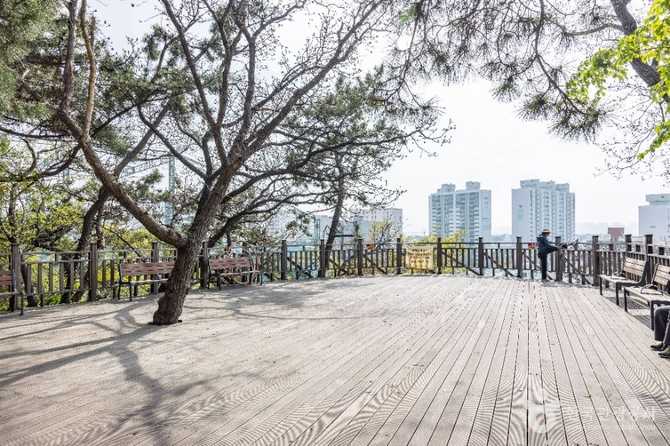
출처 : ⓒ한국관광콘텐츠랩 또는 ⓒ한국관광공사
Discover Busan Eden Park: Nature and History Combined
Location 부산광역시 사하구 하단동
Location 부산광역시 사하구 하단동
Are you searching for a peaceful escape in Busan that offers both stunning natural scenery and a glimpse into Korea’s rich history? Busan Eden Park is the perfect destination for travelers seeking relaxation, outdoor activities, and cultural insights all in one place. Located in the Saha-gu district, this park provides visitors with a unique opportunity to enjoy scenic views of the Nakdong River, explore historical remnants from Korea’s past, and unwind amidst lush greenery.
Busan Eden Park is a renowned natural and historical attraction in Busan, South Korea, attracting both locals and tourists alike. Whether you’re interested in taking a leisurely walk along scenic trails, discovering historical sites from the Japanese occupation era, or simply enjoying the tranquil environment by the river, this park has something for everyone. Its accessibility and free admission make it an ideal spot for families, friends, and solo travelers looking to connect with nature and history without the hassle of entrance fees or limited hours.
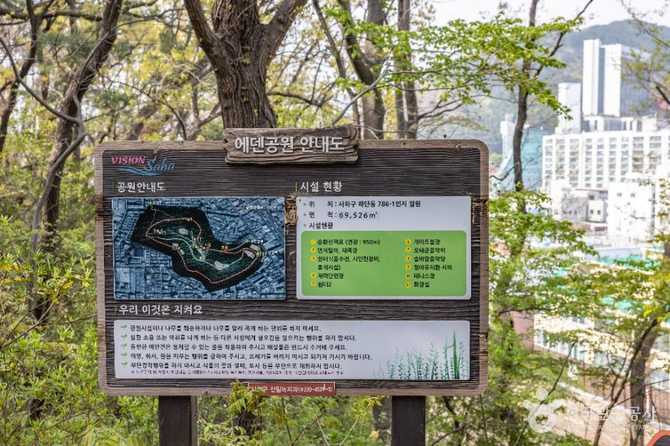
At a glance
- Who this is for
-
- Travelers interested in Korea’s natural landscapes and historical sites
- Families and friends seeking a relaxing outdoor experience
- Local residents wanting a convenient park for exercise and leisure
- Key takeaways
-
- Located in Hadan-dong, Saha-gu, Busan
- Free admission, open year-round, 24/7 access
- Features sports facilities, walking paths, and historical remnants
- Adjacent to Nakdong River and Eulsukdo migratory bird habitat
- Historical sites include remnants of Japanese coastal fortifications
- Tips & cautions
-
- Use public transportation due to limited parking space
- Wear comfortable shoes for walking and exploring
- Follow environmental guidelines: dispose of trash properly
- Be cautious around historical sites and natural areas
- Bottom line
- Busan Eden Park is an ideal spot to enjoy Korea’s natural beauty and historical heritage in a peaceful setting.
Busan Eden Park is a scenic and historic park situated in the Hadan-dong area of Saha-gu, Busan. It offers visitors a chance to experience the beauty of the Nakdong River and the nearby Eulsukdo migratory bird habitat, making it a prime destination for nature lovers and history enthusiasts alike. The park’s lush walking trails, sports facilities, and historical remnants from the Japanese occupation era create a diverse environment for relaxation and exploration.
Whether you’re planning a family outing, a quiet walk, or a cultural exploration, Busan Eden Park provides a welcoming atmosphere for all. The park’s free entry and 24/7 accessibility mean you can visit anytime, making it a flexible option for spontaneous visits or planned excursions. The historical features, including remnants of old coastal fortifications, offer a tangible connection to Korea’s past, while the natural scenery provides a calming backdrop for outdoor activities.
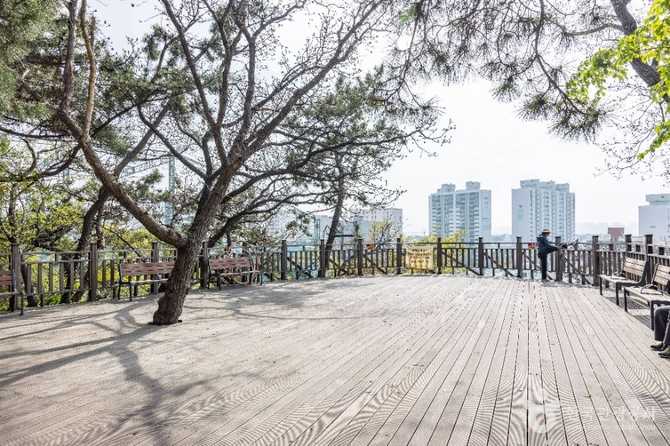
Busan Eden Park Overview and Location
Busan Eden Park is a prominent natural and historical park situated in the Hadan-dong neighborhood of Saha-gu, Busan. Known as one of the city’s most beloved outdoor spaces, it offers visitors a harmonious blend of scenic beauty and cultural heritage. The park is ideally located near the confluence of the Nakdong River and the Eulsukdo migratory bird habitat, making it a prime spot for nature lovers and history enthusiasts alike. With its accessible location close to the city center, Busan Eden Park attracts both locals and tourists seeking a peaceful retreat from urban life.
Historically, the area was once renowned as Gangseon-dae, a scenic spot famous for its views and natural beauty. During the Japanese occupation period, remnants of coastal fortifications were established here, leaving behind tangible traces of Korea’s past. After the liberation, local community leaders and residents transformed the site into a public park, preserving its natural landscapes and historical features. Today, it stands as a symbol of cultural preservation and environmental appreciation, offering a space where visitors can enjoy outdoor activities while learning about the area’s history.
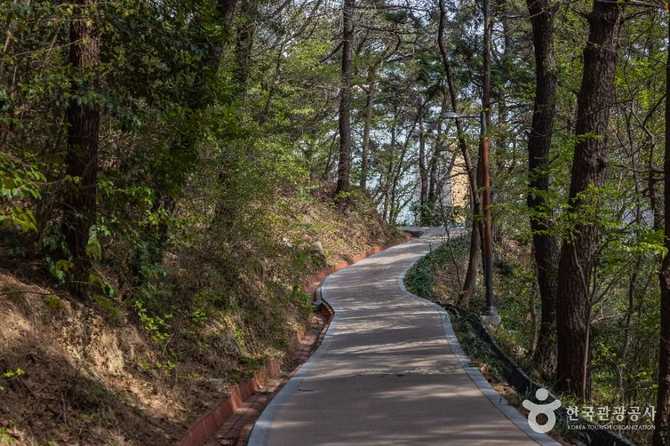
Busan Eden Park is open year-round and free of charge, making it an accessible destination for everyone. Its proximity to major transportation routes ensures easy access via bus or taxi, although parking is limited. The park’s vast green areas, walking trails, and historical remnants make it an ideal location for family outings, casual walks, or educational visits. Whether you’re interested in exploring Korea’s rich history or simply enjoying the tranquility of nature, Busan Eden Park provides a versatile environment for all types of visitors.
In summary, Busan Eden Park is a must-visit destination for those eager to experience Korea’s natural landscapes intertwined with its historical legacy. Its strategic location, free admission, and diverse facilities make it a top choice for anyone looking to connect with Korea’s cultural and environmental heritage in a peaceful setting.
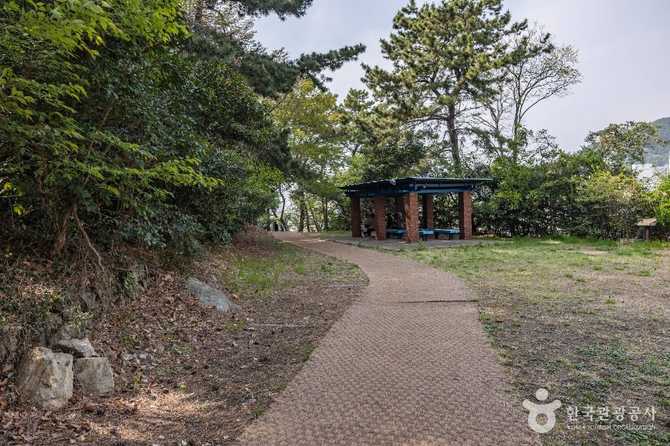
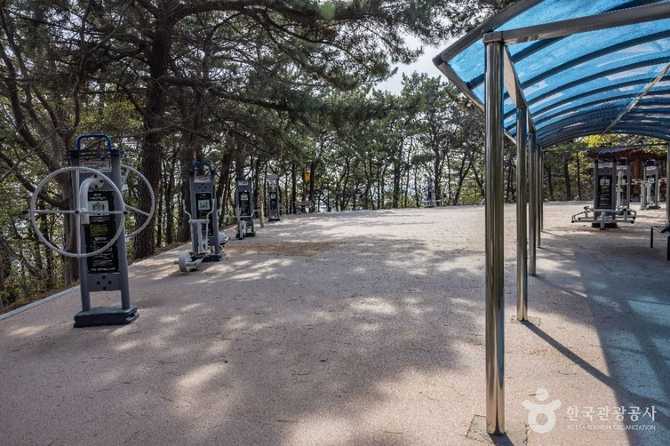
Comparison of Facilities and Amenities at Busan Eden Park
| Facility/Feature | Details | Remarks |
|---|---|---|
| Sports Facilities | Open grounds, tennis courts, exercise equipment | Suitable for casual sports and exercise routines |
| Walking Trails | Well-maintained paths around the park | Ideal for leisurely walks and nature observation |
| Historical Remnants | Japanese coastal fortification remnants, old lookout points | Provides cultural and historical insights |
| Restroom Facilities | Public restrooms located at multiple points | Clean and maintained regularly |
| Parking | Limited parking spaces available | Public transportation recommended |
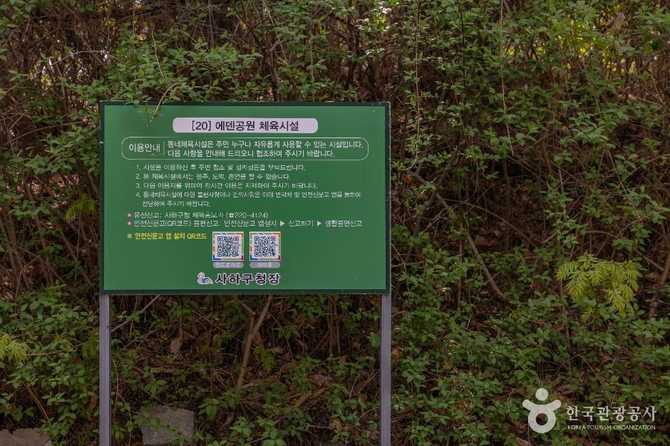
| Visitor Center & Information | Information boards, signage, and guidance | Helps visitors navigate and learn about the park |
Historical Significance and Natural Scenery of Busan Eden Park
- Historical Roots: The area was historically known as Gangseon-dae, a scenic spot celebrated for its panoramic views. During the Japanese occupation, it was fortified with coastal defense structures, remnants of which still exist today, offering a tangible link to Korea’s past military history.
- Transformation into a Park: Post-liberation, local community leaders, including prominent figures like Baek Jun-ho, acquired the land and developed it into a public park. This transformation preserved the natural beauty and historical features, making it accessible to the public.
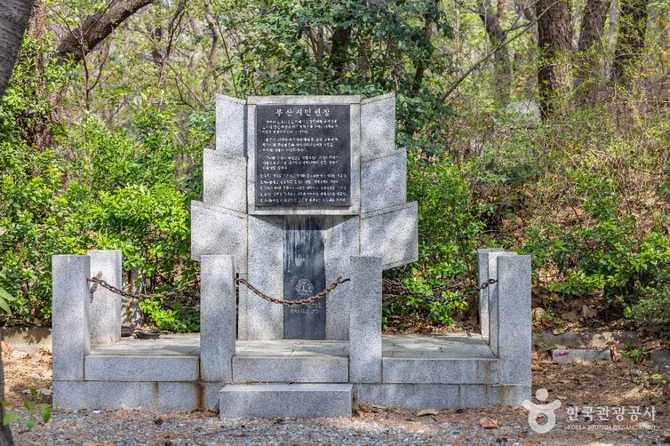
- Historical Remnants: Visitors can observe old Japanese coastal fortifications, including remnants of artillery positions and watchtowers, which narrate Korea’s colonial history. These sites are preserved to educate visitors about the past while enjoying the natural environment.
- Natural Environment: The park’s lush greenery, scenic walking trails, and proximity to the Nakdong River and Eulsukdo habitat create a peaceful natural setting. The area is also a vital stopover for migratory birds, especially during seasonal migrations, making it a birdwatcher’s paradise.
- Tip: When visiting, take a moment to appreciate the harmony between Korea’s historical legacy and its natural beauty. Remember to follow environmental guidelines to protect this delicate ecosystem.
Visitor Information and Tips for Busan Eden Park
Planning your visit to Busan Eden Park can enhance your experience. Here are some practical tips and essential information to keep in mind before you go:
- Transportation: Since parking is limited, it is highly recommended to use public transportation such as buses or taxis to reach the park conveniently.
- Appropriate Attire: Wear comfortable clothing and sturdy shoes suitable for walking along trails and exploring outdoor areas.
- Environmental Responsibility: Please dispose of trash properly by using designated bins and avoid littering to help preserve the park’s natural beauty.
- Safety Precautions: Follow safety guidelines when using sports facilities or walking along uneven paths. Keep an eye on children and ensure their safety at all times.
- Weather Preparedness: Check the weather forecast before your visit and bring necessary items such as umbrellas or sun protection gear.
- Visit During Off-Peak Hours: To enjoy a quieter experience, consider visiting early in the morning or later in the evening.
Precautions and Visitor Guidelines at Busan Eden Park
- Do not leave trash behind; use designated disposal areas.
- Avoid climbing or damaging historical remnants to prevent deterioration.
- Keep noise levels down to maintain a peaceful atmosphere for all visitors and wildlife.
- Supervise children closely, especially near historical sites and natural areas.
- Follow all safety instructions posted around sports facilities and walking trails.
- Do not pick plants, disturb wildlife, or damage the natural environment.
- In case of emergencies, contact the park’s emergency number at 051-220-6041.
Whether you visit during the day or evening, Discover Busan Eden Park is a meaningful stop on any Seoul itinerary for history-minded travelers.
Frequently Asked Questions (FAQ)
Q1: Is Busan Eden Park free to enter?
Yes, Busan Eden Park is open to the public free of charge. Visitors can enjoy its natural scenery and historical sites without any entrance fee.
Q2: What are the operating hours of Busan Eden Park?
The park is open year-round and operates 24 hours a day, providing visitors with flexible access at any time. There are no restrictions on visiting hours.
Q3: How can I get to Busan Eden Park using public transportation?
It is recommended to take a bus or taxi, as parking space is limited. The park is easily accessible from nearby bus stops in Hadan-dong, Saha-gu.
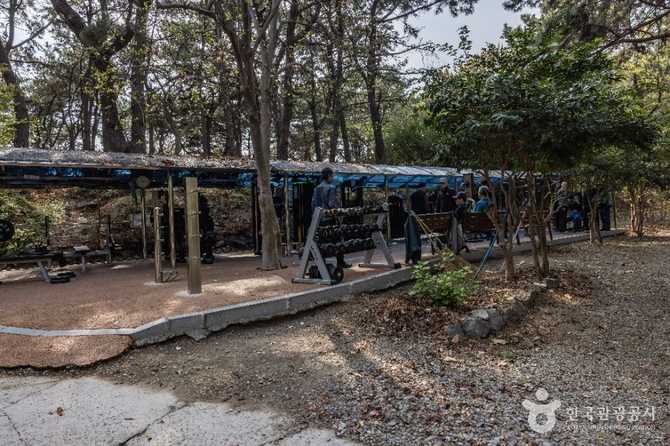
Q4: Are there facilities for sports and outdoor activities at Busan Eden Park?
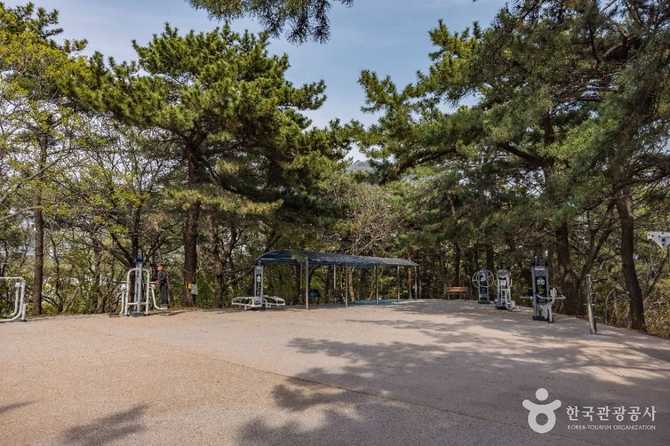
Yes, the park offers various sports facilities including open grounds, tennis courts, and exercise equipment for visitors to enjoy casual sports and outdoor workouts.
Q5: What historical remnants can I see at Busan Eden Park?
The park features remnants of Japanese coastal fortifications from the colonial period, including old artillery positions and watchtowers, which reflect Korea’s historical military past.
Q6: What precautions should I take when visiting Busan Eden Park?
Visitors should follow environmental guidelines by disposing of trash properly and avoiding damage to natural and historical sites. Safety precautions are advised when exploring historical remnants and natural areas.
Experience the Best of Korea’s Natural and Historical Heritage at Busan Eden Park
Visiting Busan Eden Park offers a perfect opportunity to immerse yourself in Korea’s rich natural landscapes and fascinating history. Whether you’re a nature enthusiast, history lover, or simply seeking a peaceful escape from the busy city life, this park provides a harmonious blend of scenic beauty and cultural significance. Its location in Hadan-dong, Saha-gu, makes it easily accessible, and with free admission and year-round open hours, it’s an ideal destination for spontaneous visits or planned outings. From walking along lush trails to exploring remnants of Japan’s coastal defenses, there’s something for everyone to enjoy. The park’s proximity to the Nakdong River and Eulsukdo habitat enhances its natural appeal, making it a haven for birdwatchers and outdoor lovers alike. Remember to respect the environment and historical sites during your visit to help preserve this special place for future generations. A trip to Busan Eden Park is truly a meaningful way to connect with Korea’s natural beauty and historical legacy, creating memories that will last long after your visit.