
출처 : ⓒ한국관광콘텐츠랩 또는 ⓒ한국관광공사
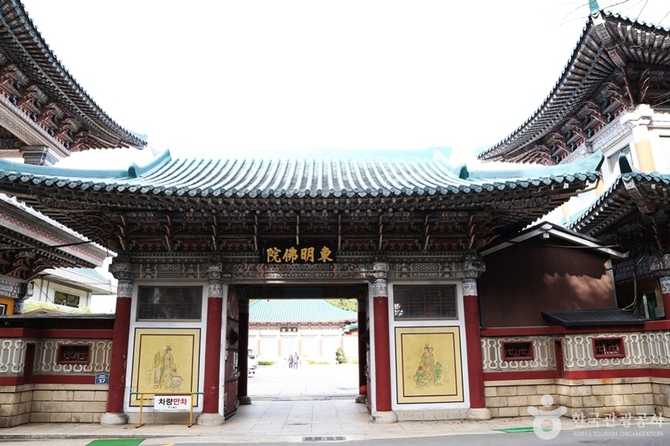
Discover Busan Dongmyeongbulwon: Unique Southeast Asian-Inspired Buddhist Temple
Location 부산광역시 남구 동명로 57 (용당동)
Location 부산광역시 남구 동명로 57 (용당동)
Are you interested in exploring a Buddhist temple in Busan that stands out with its Southeast Asian architectural influences and rich cultural heritage? Busan Dongmyeongbulwon offers a distinctive experience, blending traditional Korean temple design with Southeast Asian elements, making it a must-visit destination for travelers seeking cultural depth and architectural beauty.
Located in the heart of Busan, Dongmyeongbulwon is renowned for its striking architecture, world-class relics, and serene atmosphere. Whether you’re a devotee, a history enthusiast, or simply curious about diverse Buddhist traditions, this temple provides a fascinating glimpse into the fusion of regional influences and spiritual practices. The temple’s impressive features include a straight-edged dragon-shaped roof, Myanmar relics, Korea’s largest wooden gold Buddha statue, and a massive bell with unique casting techniques.
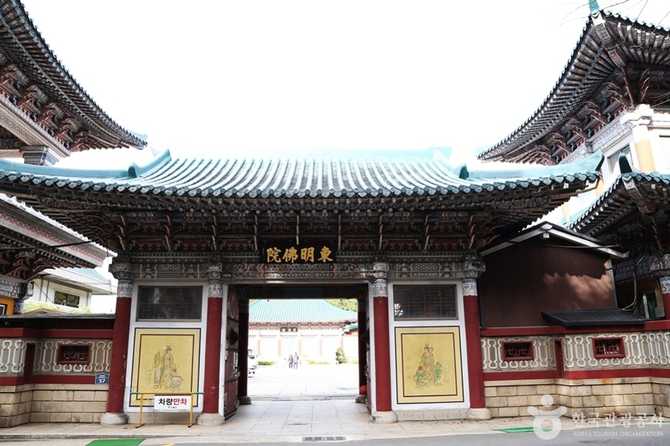
At a Glance
- Who this is for
-
- Travelers interested in Korean culture and religious sites
- Visitors fascinated by Southeast Asian architecture
- Those seeking spiritual and historical insights
- Culture and art enthusiasts
- Key takeaways
-
- Unique architecture influenced by Southeast Asia, especially Myanmar
- Home to Korea’s largest wooden gold Buddha and Myanmar relics
- Features Korea’s largest bell with special casting techniques
- Open year-round with free admission and parking
- Designated as a cultural heritage site
- Tips & cautions
-
- Observe proper temple etiquette during visits
- Respect the cultural and religious significance of the site
- Photography may require prior permission
- Be cautious of the unique internal architecture due to special building laws
- Bottom line
- Busan Dongmyeongbulwon is a remarkable temple blending Southeast Asian influences with Korean Buddhist traditions, offering a culturally enriching experience for all visitors.
Busan Dongmyeongbulwon is a distinctive Buddhist temple located in the Nam-gu district of Busan, South Korea. Established by the late Kang Seok-jin, chairman of Dongmyeong Wood, the temple was built as a prayer for national prosperity and the peaceful afterlife of ancestors. Unlike traditional Korean temples, Dongmyeongbulwon features architecture inspired by Southeast Asia, with a straight-edged dragon-shaped roof and ornate sculptures. Its construction in the 1980s marked a significant cultural addition to the region, attracting visitors from all over the world.
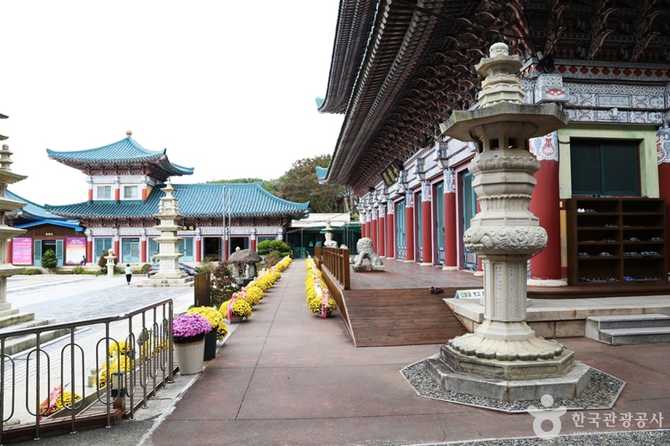
The temple is renowned for housing Myanmar relics, Korea’s largest wooden gold Buddha statue, and Korea’s biggest bell, all of which contribute to its status as a cultural treasure. The temple’s architecture includes distinctive features such as dragon motifs on the bell, Myanmar-style stupas, and elaborate carvings on the main hall. Visitors can explore various prayer halls, each dedicated to different Buddhas and bodhisattvas, and enjoy the peaceful surroundings that promote reflection and spiritual practice.
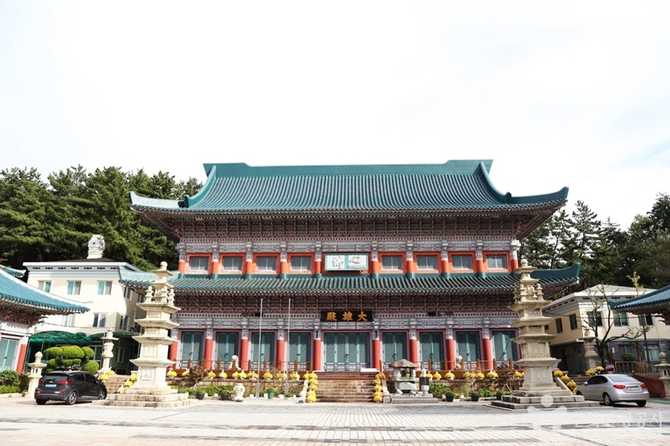
Overview of Busan Dongmyeongbulwon
Busan Dongmyeongbulwon stands out as a unique Buddhist temple in South Korea, renowned for its Southeast Asian-inspired architecture and rich cultural heritage. Located at 57 Dongmyeong-ro, Yongdang-dong, in the Nam-gu district of Busan, this temple offers visitors a rare glimpse into a fusion of regional influences and spiritual traditions. Established in the 1980s by Dongmyeong Wood Chairman Kang Seok-jin, the temple was built with the intention of praying for national prosperity and the peaceful afterlife of ancestors. Unlike traditional Korean temples, Dongmyeongbulwon features a striking architectural style characterized by a straight-edged dragon-shaped roof, ornate sculptures, and intricate carvings that reflect Southeast Asian aesthetics, particularly Myanmar influences.
The temple is home to Korea’s largest wooden gold Buddha statue and houses significant relics, including Myanmar stupas and Myanmar relics, which contribute to its status as a cultural and spiritual hub. Its architecture incorporates distinctive features such as the dragon motifs on the bell, Myanmar-style stupas, and elaborate interior sculptures, making it a must-visit for those interested in religious art and architecture. Visitors can explore various prayer halls, each dedicated to different Buddhas and bodhisattvas, and enjoy the tranquil environment that promotes reflection and spiritual practice.
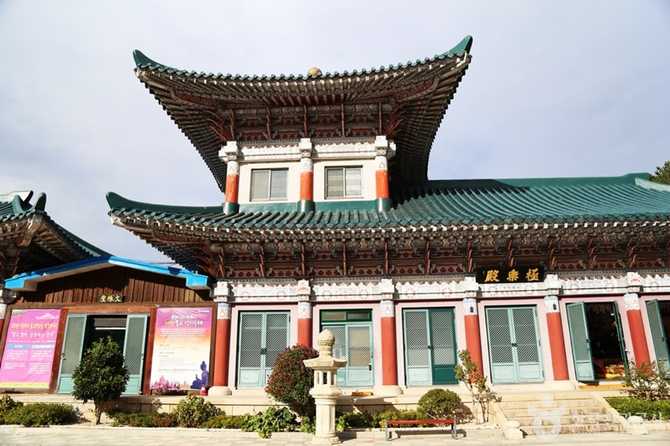
Open all year round with free admission and parking, Busan Dongmyeongbulwon is accessible to everyone. Its status as a designated cultural heritage site underscores its importance in preserving both Korean and Southeast Asian Buddhist traditions. Whether you are a devotee, a history enthusiast, or an architecture lover, this temple offers a meaningful experience that highlights the diverse cultural tapestry of Korea’s religious landscape.
Comparison of Architectural Features at Busan Dongmyeongbulwon
| Feature | Traditional Korean Temple | Busan Dongmyeongbulwon |
|---|---|---|
| Architectural Style | Classic Korean temple architecture with curved eaves and ornate woodwork | Southeast Asian influence with straight-edged dragon-shaped roofs and Myanmar motifs |
| Roof Design | Curved, multi-tiered roofs with decorative tiles | Straight, elongated rooflines with dragon motifs and ornate sculptures |
| Main Religious Relics | Buddha statues, traditional relics, pagodas | Korea’s largest wooden gold Buddha, Myanmar relics, Myanmar-style stupas |
| Interior Decorations | Murals, traditional carvings, lotus motifs | Elaborate sculptures, dragon motifs, Myanmar-style decorative elements |
| Cultural Significance | Preserves Korean Buddhist traditions and architecture | Represents Southeast Asian influence and international cultural exchange |
Overall, Busan Dongmyeongbulwon’s architecture is distinguished by its Southeast Asian influence, especially Myanmar, which sets it apart from traditional Korean temples. The use of straight-edged roofs, Myanmar relics, and intricate sculptures creates a unique visual experience that highlights the blending of regional styles and spiritual symbolism.
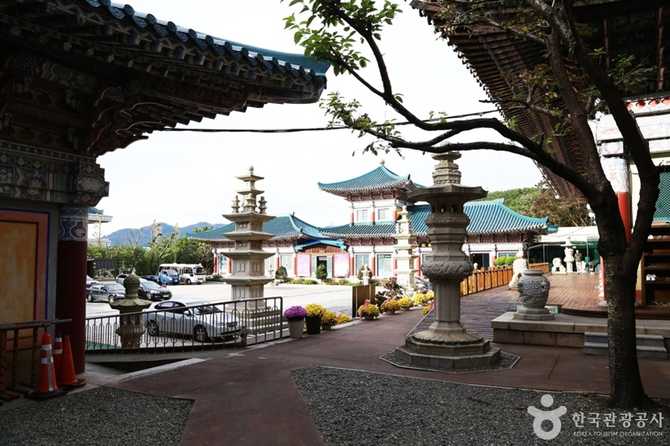
Cultural Heritage and Artifacts at Busan Dongmyeongbulwon
- Myanmar Relics: The temple houses authentic Myanmar relics, including stupas and sacred artifacts, reflecting the influence of Southeast Asian Buddhism.
- Largest Wooden Gold Buddha: Korea’s largest wooden Buddha statue, gilded in gold, is a centerpiece within the main hall, symbolizing enlightenment and spiritual grandeur.
- Ancient Bell: The temple features Korea’s largest bell, cast with a unique technique that includes intricate dragon motifs on the bell’s surface, representing power and protection.
- Religious Artifacts: The temple’s interior contains a variety of Buddhist statues, carvings, and traditional paintings, many of which are considered cultural treasures.
- Architectural Sculptures: Dragon motifs, Myanmar-style stupas, and elaborate carvings adorn the temple’s structures, each with historical and artistic significance.
Visitor Information and Tips for Busan Dongmyeongbulwon
| Aspect | Details |
|---|---|
| Address | 57 Dongmyeong-ro, Yongdang-dong, Nam-gu, Busan |
| Operating Hours | Open year-round, 24 hours (free access) |
| Admission Fee | Free |
| Parking | Available on-site; parking space is sufficient |
| Facilities | Restrooms available; information boards and signage |
Visitor Tips for a Respectful Experience
- Arrive early or during weekdays to avoid crowds and enjoy a peaceful visit.
- Dress modestly and appropriately, covering shoulders and knees, out of respect for the religious site.
- Maintain silence and speak softly to preserve the tranquil atmosphere.
- Refrain from touching or climbing on artifacts and sculptures to help preserve their condition.
- Ask for permission before taking photographs of religious relics or during prayer ceremonies.
- Dispose of trash properly; use designated bins to keep the temple grounds clean.
- Be cautious around stairs and elevated platforms, especially when carrying children or elderly visitors.
Visitor Checklist for Busan Dongmyeongbulwon
- Check the opening hours and ensure the site is open on your planned visit date.
- Confirm parking availability if arriving by car to avoid inconvenience.
- Wear modest clothing suitable for a religious site.
- Prepare a camera or smartphone for photos, but remember to ask for permission beforehand.
- Bring water and light snacks if desired, as there are no food vendors on-site.
- Carry a small bag to keep personal belongings and trash secure during your visit.
- Respect the internal architecture by following the designated pathways and observing silence.
- Read and follow any posted signs or instructions from staff or volunteers.
- Plan your visit during daylight hours for the best experience and safety.
- Be mindful of children’s safety, especially near stairs and delicate artifacts.
Whether you visit during the day or evening, Discover Busan Dongmyeongbulwon is a meaningful stop on any Seoul itinerary for history-minded travelers.
Frequently Asked Questions (FAQ)
Q1: What is the architectural style of Busan Dongmyeongbulwon?
Busan Dongmyeongbulwon features Southeast Asian-inspired architecture, characterized by straight-edged dragon-shaped roofs and Myanmar motifs, differing from traditional Korean temple designs.
Q2: What are the main relics and artifacts housed at Busan Dongmyeongbulwon?
The temple houses Korea’s largest wooden gold Buddha statue, Myanmar relics including stupas, and Korea’s biggest bell with intricate dragon patterns. It also contains various Buddhist statues, carvings, and traditional paintings.
Q3: When is the best time to visit Busan Dongmyeongbulwon?
The temple is open year-round and 24 hours a day, with free admission. Visitors can come at any time, making it convenient for travelers to explore at their preferred schedule.
Q4: How can I get to Busan Dongmyeongbulwon?
The temple is located at 57 Dongmyeong-ro, Yongdang-dong, in the Nam-gu district of Busan. It is accessible by public transportation and has sufficient on-site parking for visitors arriving by car.
Q5: Are there any visitor guidelines or etiquette I should follow?
Yes, visitors should observe proper temple etiquette, such as maintaining silence, respecting religious artifacts, and asking for permission before photographing certain relics. The interior structure is unique due to special building laws, so respectful behavior is essential.
Q6: Is there an entrance fee to visit Busan Dongmyeongbulwon?
No, the temple is open to the public free of charge, allowing visitors to enjoy its cultural and religious artifacts without any cost.
Final Thoughts on Busan Dongmyeongbulwon
Visiting Busan Dongmyeongbulwon offers a truly unique experience that blends traditional Korean Buddhist architecture with Southeast Asian influences, particularly from Myanmar. This temple stands out not only for its striking visual design but also for its rich collection of cultural relics and artifacts, making it a must-see destination for travelers interested in religious art, architecture, and cultural heritage. The temple’s distinctive features, such as the straight-edged dragon-shaped roofs, Myanmar relics, and Korea’s largest wooden gold Buddha, provide insight into the diverse spiritual traditions that have shaped Korea’s Buddhist landscape. Moreover, the fact that it is open year-round with free admission and ample parking makes it accessible for all visitors, whether you’re on a quick trip or a dedicated cultural tour. Remember to observe proper etiquette during your visit, respect the sacred environment, and take your time exploring the intricate sculptures and historical relics. A trip to Busan Dongmyeongbulwon promises an enriching experience that highlights the harmonious fusion of regional influences and religious devotion, making it an essential part of your travel itinerary in Busan.