
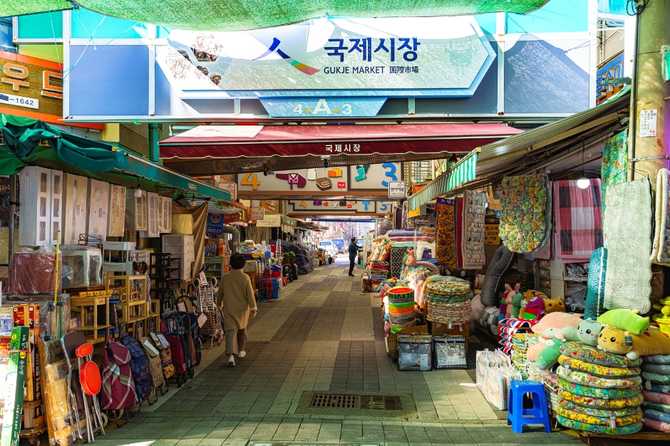
출처 : ⓒ한국관광콘텐츠랩 또는 ⓒ한국관광공사
Complete Guide to Busan International Market: Top Tips & Highlights
Location 부산광역시 중구 신창로4가 일원
Location 부산광역시 중구 신창로4가 일원
Planning a trip to Busan? Discover the vibrant Busan International Market, a must-visit destination that offers a perfect blend of history, culture, and shopping. Whether you’re interested in exploring traditional markets, sampling local street food, or shopping for unique goods, this guide provides everything you need to make your visit memorable.
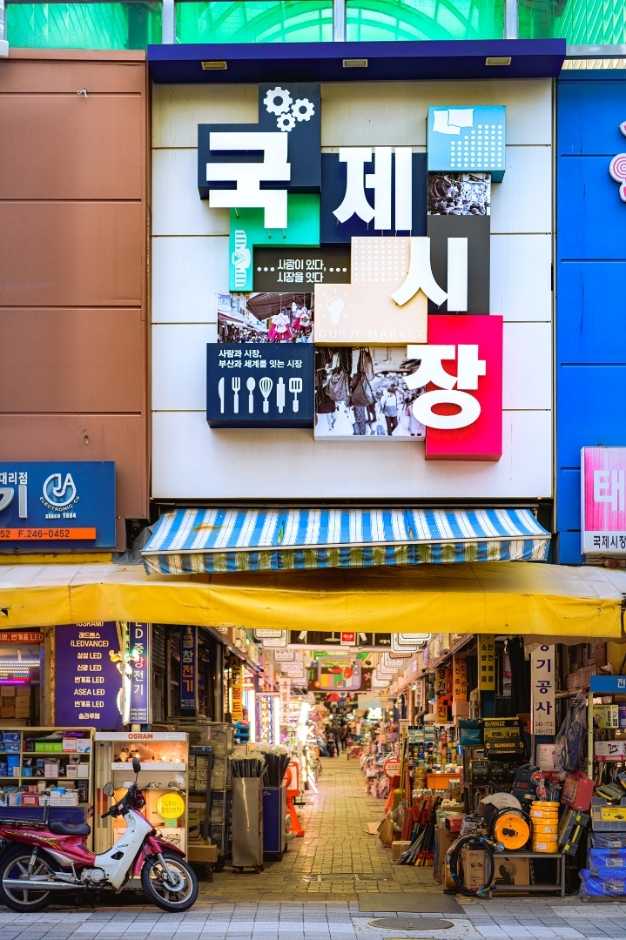
In this comprehensive guide to Busan International Market, you’ll learn about its fascinating history, key attractions, shopping tips, and practical information to enhance your experience. From the market’s origins after Korea’s liberation in 1945 to its current status as a bustling hub of local commerce, this market encapsulates the spirit of Busan. Whether you’re a history enthusiast, a foodie, or a shopping lover, understanding the market’s background and layout will help you navigate confidently and enjoy all that it has to offer.
At a glance
- Who this is for
-
- Travelers exploring Busan for the first time
- History and culture enthusiasts
- Shopping and street food lovers
- Anyone interested in traditional Korean markets
- Key takeaways
-
- Established in 1945, rich historical significance
- Popular spots include the Gureum Bridge, cosmetics alley, and food street
- Open daily from 9:00 AM to 8:00 PM, closed on Sundays
- Market layout can be complex; plan your route with maps
- Offers a variety of goods: clothes, electronics, cosmetics, and street food
- Tips & cautions
-
- Use a map or mobile app to navigate the maze-like alleys
- Visit on weekdays or early mornings for fewer crowds
- Bring cash; some shops prefer cash payments
- Check the market’s opening days before visiting
- Bottom line
- Busan International Market offers a rich cultural experience with diverse shopping and dining options, making it a must-visit attraction in Busan.
Busan International Market is a vibrant and historic shopping destination located in the heart of Busan. Since its formation after Korea’s liberation in 1945, it has evolved into a lively hub where locals and tourists alike come to experience authentic Korean culture, shop for unique items, and enjoy delicious street food. The market’s origins lie in the post-liberation period when Japanese residents left Korea, leaving behind goods and supplies, which local merchants began trading. Over decades, the market expanded, becoming a central part of Busan’s social and economic fabric.
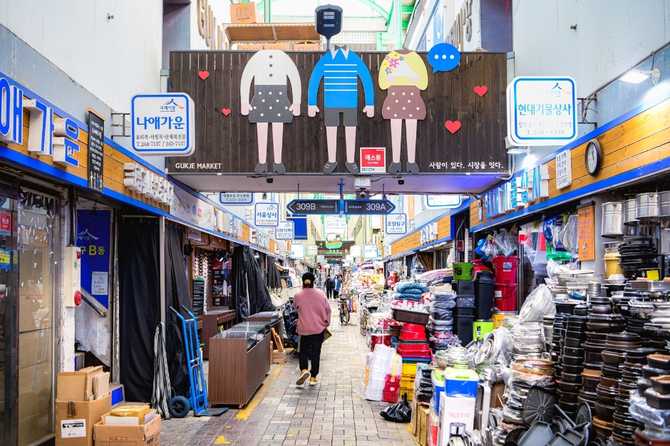
Today, the market is renowned for its diverse offerings—from vintage clothing and cosmetics to traditional Korean snacks and street meals. Its sprawling alleys can be complex, but the market’s lively atmosphere and variety make it a favorite among visitors. Whether you want to browse through second-hand goods, taste local delicacies, or buy souvenirs, Busan International Market provides an authentic experience that captures the essence of Korean street culture.
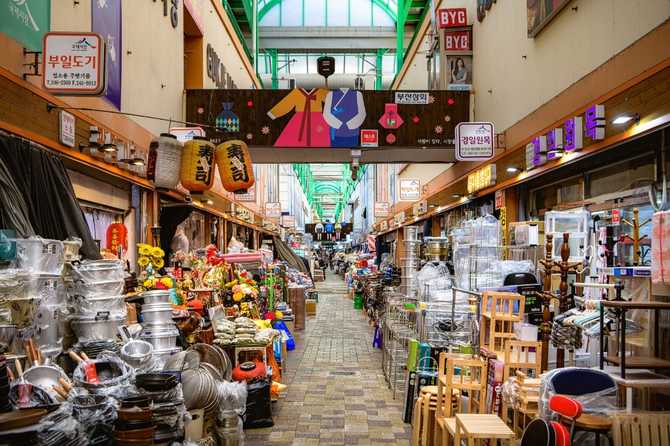
To make the most of your visit, it’s helpful to understand the market’s layout, operating hours, and key attractions. This guide aims to equip you with all the essential information to enjoy your trip fully. From planning your route with maps to knowing the best times to visit, you’ll find practical tips to navigate the bustling alleys confidently and safely. Prepare to immerse yourself in a lively environment filled with sights, sounds, and flavors that truly embody Busan’s vibrant spirit.
Market Overview & Historical Background
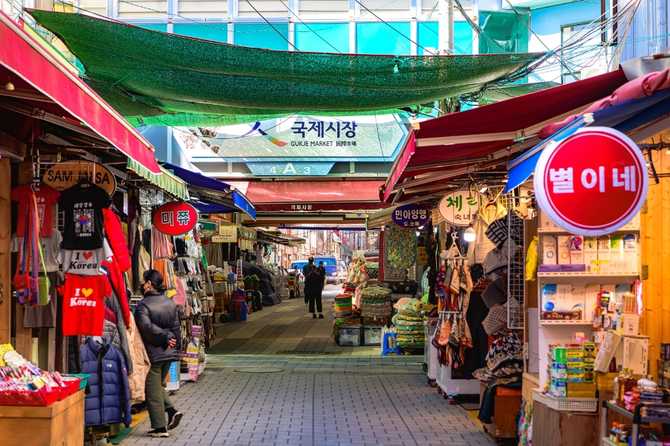
The Busan International Market is a vibrant and historically significant traditional marketplace located in the heart of Busan, South Korea. Established in 1945, shortly after Korea regained independence from Japanese rule, this market has grown into a bustling hub where locals and tourists converge to experience authentic Korean culture, shopping, and culinary delights. Its origins trace back to the post-liberation period when Japanese residents left behind goods and supplies, which local merchants began trading, laying the foundation for what would become one of Busan’s most iconic attractions.
Initially called the “Dottegi Market,” the market expanded rapidly in the late 1940s with the construction of dedicated buildings and infrastructure. During the 1950s through the 1990s, the market flourished as a center for trading military supplies, imported goods, electronics, cosmetics, and vintage clothing. The name “International Market” reflects its diverse offerings, including goods from overseas and various regions of Korea.
Today, the market is not only a shopping destination but also a cultural landmark that embodies the resilience and dynamism of Busan. It features numerous alleys and sections, each specializing in different types of products—such as the Gureum Bridge for panoramic views, cosmetics alley for beauty products, and food streets offering traditional Korean snacks and street foods. Its sprawling layout, however, can be complex for first-time visitors, making navigation tips and maps essential for a smooth experience.
Visiting the Busan International Market offers a unique opportunity to explore Korea’s modern history alongside traditional commerce. The market’s lively atmosphere, rich history, and diverse offerings make it a must-see for anyone interested in Korean culture and urban life. Whether you’re shopping for souvenirs, tasting local delicacies, or simply soaking in the vibrant street scene, this market encapsulates the spirit of Busan’s bustling port city.
Comparison of Main Attractions & Market Areas
| Market Area | Main Features | Popular Items & Activities |
|---|---|---|
| Gureum Bridge Area | Offers panoramic views of the entire market from above, connecting multiple alleys. | Market sightseeing, photography, orientation point for visitors. |
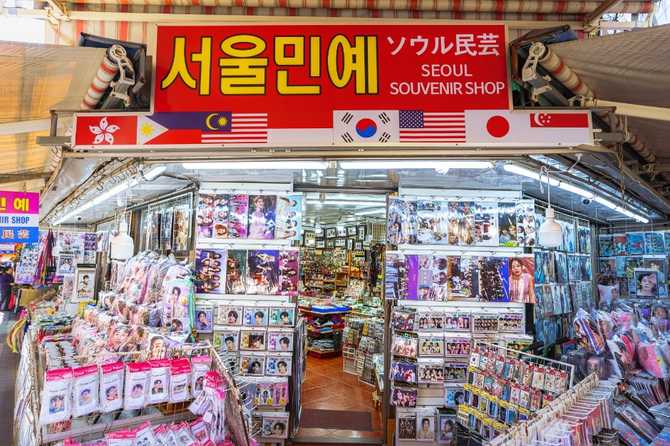
| Gudeok Market (구제시장) | Specializes in second-hand clothes, vintage items, and miscellaneous goods. | Browsing vintage clothing, bargaining for unique apparel, exploring thrift items. |
| Cosmetics Alley | Focuses on beauty products, skincare, and cosmetics from various brands. | Purchasing affordable cosmetics, trying samples, exploring Korean beauty trends. |
| Food Streets & Eatery Zones | Offers traditional Korean street foods, snacks, and quick bites. | Sampling tteokbokki, hotteok, odeng, and other local delicacies. |
This comparison highlights the diverse sections within the Busan International Market, each offering unique shopping and cultural experiences. Whether you’re interested in vintage fashion, beauty products, or local street food, the market’s varied zones ensure a comprehensive cultural immersion.
Visitor Tips & Practical Checklist
- Plan your route: Use a map or mobile app to navigate the complex alleys and avoid getting lost.
- Visit early or on weekdays: To enjoy a less crowded experience, aim for mornings or weekdays when the market is quieter.
- Bring cash and cards: Most shops accept both, but some vendors prefer cash, so carry sufficient cash just in case.
- Wear comfortable shoes: The market’s expansive layout involves walking through narrow, uneven alleys—comfortable footwear is essential.
- Use the Sky Bridge: The Gureum Bridge provides a bird’s-eye view of the entire market, helping you maintain your orientation.
- Check operating hours: The market operates from 9:00 AM to 8:00 PM and is closed on Sundays, so plan accordingly.
Travel Tip:
Download a digital map of the market or use a navigation app to easily find your favorite sections and avoid the maze-like alleys. This will save you time and help you explore more efficiently!
Warning:
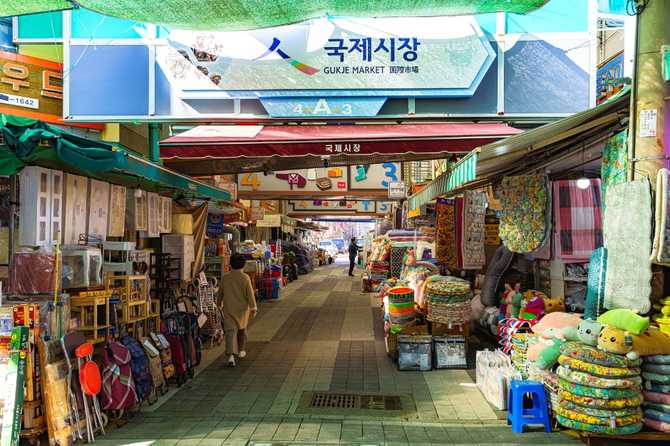
Some alleys can be quite narrow and confusing. Stay alert and keep your belongings close, especially during busy hours, to ensure a safe and enjoyable visit.
Market Operating Hours & Closure Days
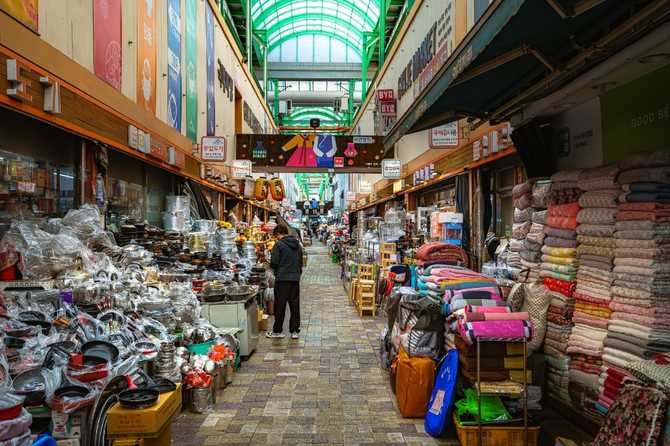
| Operating Hours | Closed Days |
|---|---|
| 09:00 AM – 08:00 PM | Sundays |
Important Notes Before Visiting Busan International Market
- Check operating days: The market is closed every Sunday, so plan your visit accordingly.
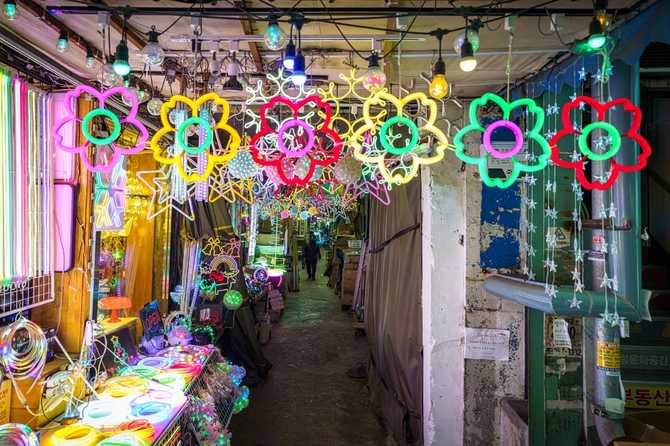
- Prepare for maze-like alleys: The market’s layout can be complex; reviewing a map or using a mobile app will enhance your navigation.
- Bring sufficient cash: While many shops accept cards, some vendors prefer cash payments, so carry enough Korean won.
- Wear comfortable footwear: Expect a lot of walking on uneven and narrow paths, so choose comfortable shoes.
- Use the Sky Bridge for orientation: The Gureum Bridge offers a panoramic view of the entire market, helping you find your way.
- Start early or visit on weekdays: To avoid crowds and enjoy a more relaxed shopping experience, aim for morning visits or weekdays.
Whether you visit during the day or evening, Complete Guide to Busan International is a meaningful stop on any Seoul itinerary for history-minded travelers.
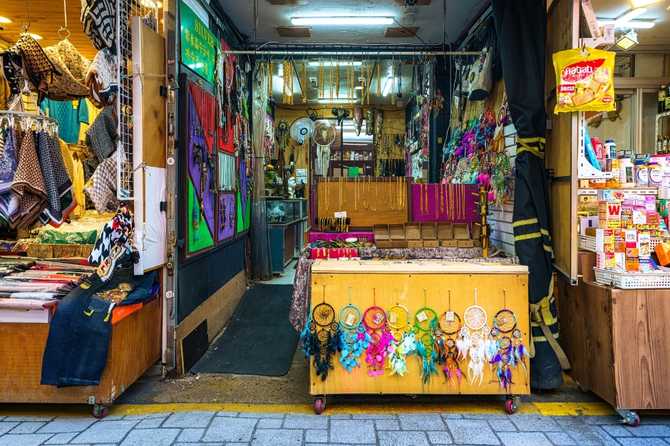
Frequently Asked Questions (FAQ)
Q1: What is the best time to visit Busan International Market?
Busan International Market operates from 9:00 AM to 8:00 PM, closed on Sundays. Visiting during weekday mornings or early afternoons can help you avoid crowds and enjoy a more relaxed shopping experience.
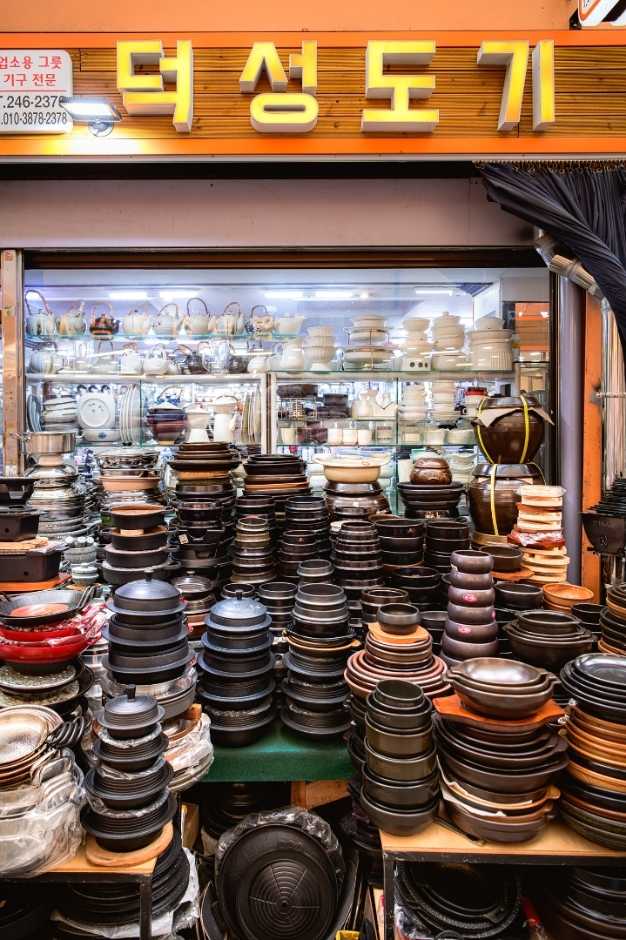
Q2: What types of products can I find at Busan International Market?
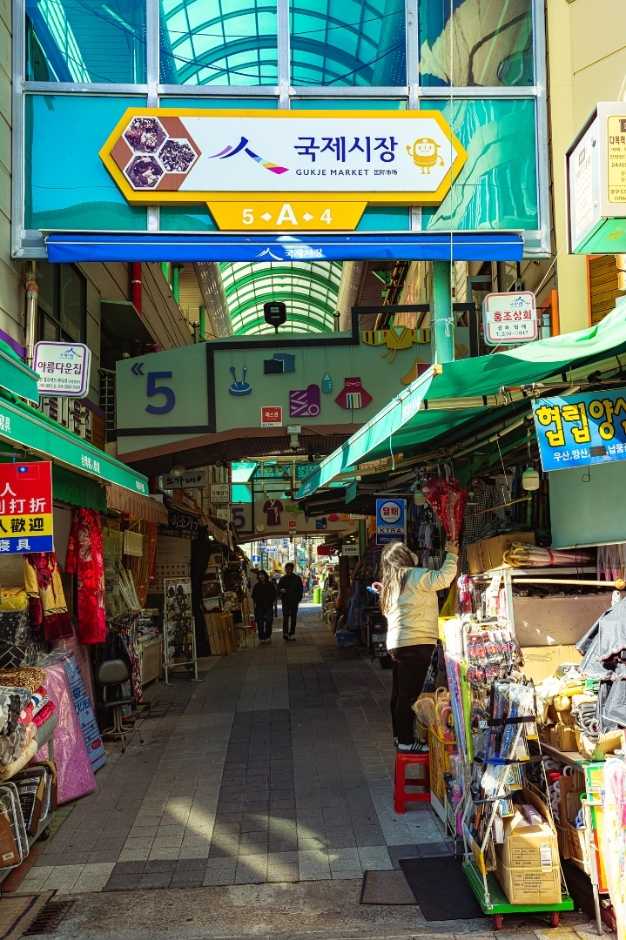
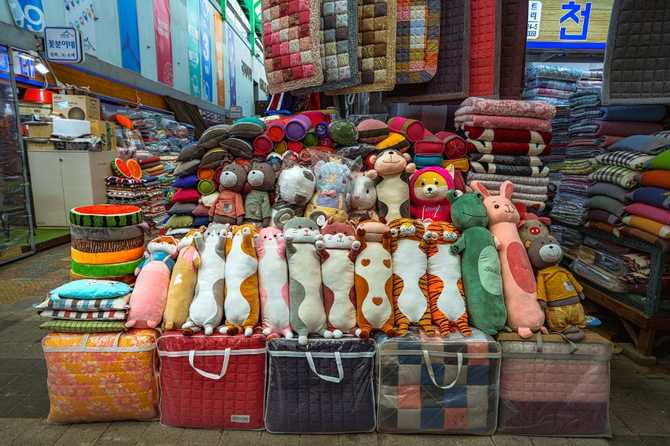
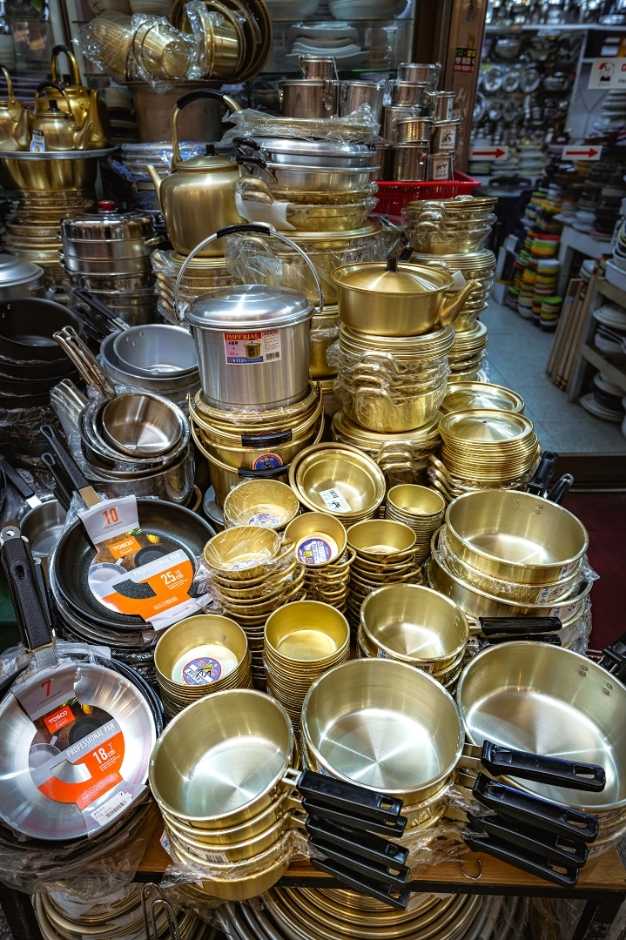
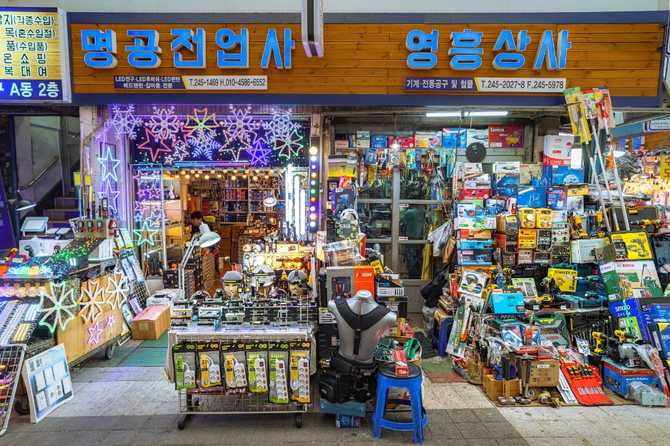
The market offers a wide range of goods, including clothing, electronics, cosmetics, street food, and traditional Korean snacks. Popular sections include the vintage clothing alley and cosmetics street.
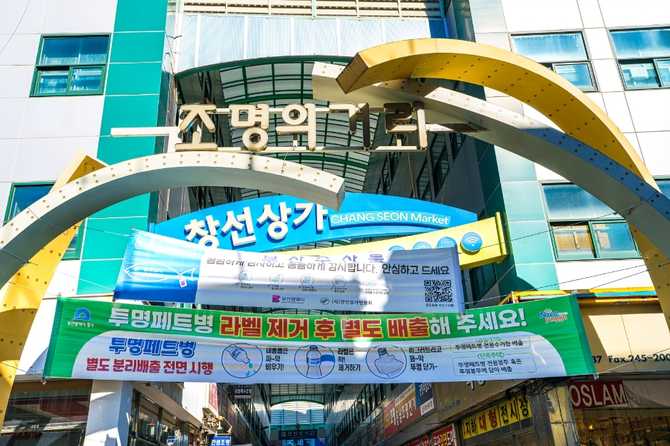
Q3: Are credit cards accepted at Busan International Market?
Most shops accept both cash and credit/debit cards, but some vendors prefer cash payments. It’s advisable to carry sufficient cash along with your card for convenience.
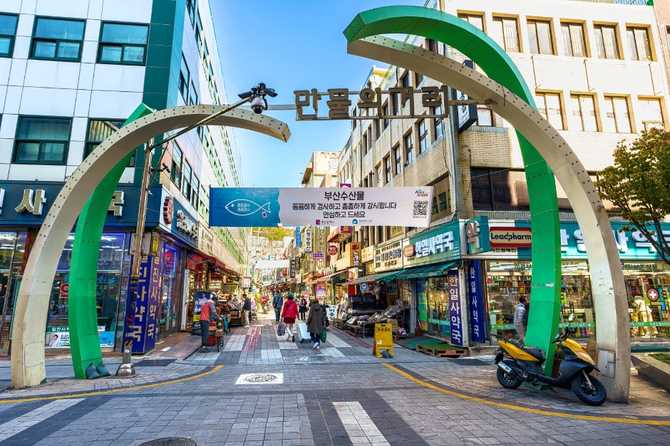
Q4: How can I navigate the complex alleys of the market?
Using a map or a mobile navigation app is recommended to avoid getting lost. The Sky Bridge (Gureum Bridge) offers a panoramic view to help you orient yourself within the market.
Q5: What should I be cautious about when visiting Busan International Market?
The market’s alleys can be narrow and confusing, especially during busy hours. Keep your belongings close and stay alert to ensure a safe and enjoyable visit.
Q6: Can I enjoy local street food at Busan International Market?
Yes, the market’s food streets offer a variety of traditional Korean snacks such as tteokbokki, hotteok, and odeng. Sampling these street foods is a highlight of the market experience.
Final Tips for Visiting Busan International Market
Visiting Busan International Market offers a unique opportunity to experience Korea’s vibrant street culture and rich history firsthand. To make your trip as enjoyable and smooth as possible, it’s essential to plan ahead. Remember that the market operates from 9:00 AM to 8:00 PM, with a weekly closure on Sundays, so scheduling your visit accordingly will help you avoid missing out on key attractions. Navigating the market’s maze-like alleys can be challenging, so utilizing a digital map or navigation app will be a huge help in exploring all the diverse zones comfortably. Wearing comfortable shoes is highly recommended, as you’ll likely be walking quite a bit through narrow, uneven pathways. Carry both cash and cards, since some vendors prefer cash transactions, especially in smaller shops. Don’t forget to take advantage of the Sky Bridge, which provides a panoramic view of the entire market, helping you maintain your orientation and plan your route efficiently. With these practical tips, your visit to the Busan International Market will be a memorable experience filled with discovery, culture, and local flavor.