
출처 : ⓒ한국관광콘텐츠랩 또는 ⓒ한국관광공사
Discover Gwangnaru Hangang Park and Amsa Ecological Park in Seoul
Location 서울특별시 강동구 선사로 83-106 (암사동)
Location 서울특별시 강동구 선사로 83-106 (암사동)
Looking for a perfect blend of nature, eco-education, and family-friendly activities in Seoul? Gwangnaru Hangang Park and Amsa Ecological Park offer an ideal urban escape where visitors can enjoy scenic landscapes, participate in environmental programs, and learn about local ecosystems.
These parks, located along the Han River in Seoul’s Gangdong District, provide a unique opportunity to experience Korea’s natural beauty within the city. Whether you’re a family seeking outdoor fun, an environmental educator, or a traveler interested in ecological preservation, these parks cater to all. They feature well-maintained walking trails, interactive eco-programs, and a peaceful environment that fosters appreciation for nature and sustainability.
At a glance
- Who this is for
-
- Families seeking outdoor activities and eco-education
- Visitors interested in urban natural landscapes
- Environmental educators and nature enthusiasts
- Local residents of Seoul’s Gangdong District
- Key takeaways
-
- Located along the Han River in Seoul’s Gangdong District
- Offers free or low-cost eco-programs and nature experiences
- Open year-round with well-maintained walking and exploration trails
- Provides environmental education activities suitable for all ages
- Accessible parking with affordable rates and facilities
- Tips & cautions
-
- Check program reservation requirements before visiting
- Arrive early to secure parking and participate in popular activities
- Respect natural habitats by staying within designated areas
- Prepare appropriate clothing and gear for outdoor activities
- Bottom line
- Gwangnaru Hangang Park and Amsa Ecological Park are must-visit urban eco-spaces offering enriching nature experiences and environmental learning opportunities in Seoul.
Are you eager to explore Seoul’s natural side without leaving the city? Gwangnaru Hangang Park and Amsa Ecological Park provide a perfect environment for eco-friendly family outings, ecological education, and relaxation amid scenic nature. Located along the Han River, these parks serve as vital green spaces that promote environmental awareness and community engagement.
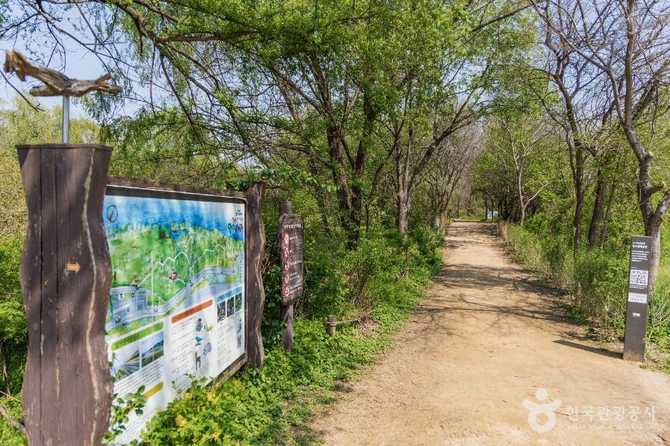
Both parks are designed to harmonize natural preservation with public enjoyment. Visitors can stroll along picturesque trails, participate in hands-on eco-programs such as barefoot walking or tree rope activities, and learn about local flora and fauna through guided explorations. These parks are open all year, offering a consistent opportunity to connect with nature regardless of the season. The facilities are user-friendly, with parking, restrooms, and designated activity zones, making it convenient for families and individuals alike.
Whether you’re interested in environmental conservation, seeking a peaceful retreat, or looking for educational programs for children, Gwangnaru Hangang Park and Amsa Ecological Park are excellent choices. Their focus on ecological preservation and public participation makes them vital urban ecosystems where nature and community thrive together.
Overview of Gwangnaru Hangang Park and Amsa Ecological Park
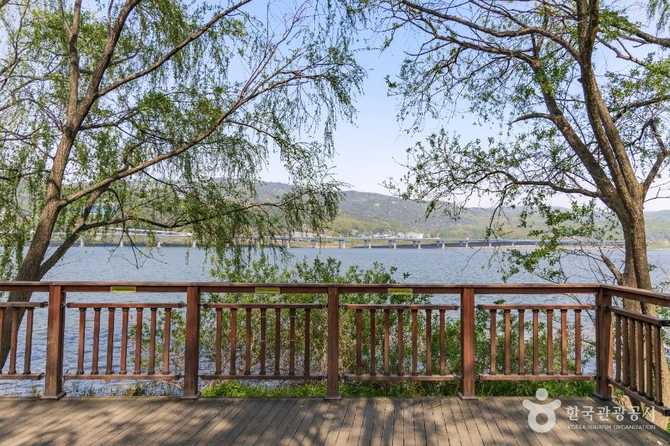
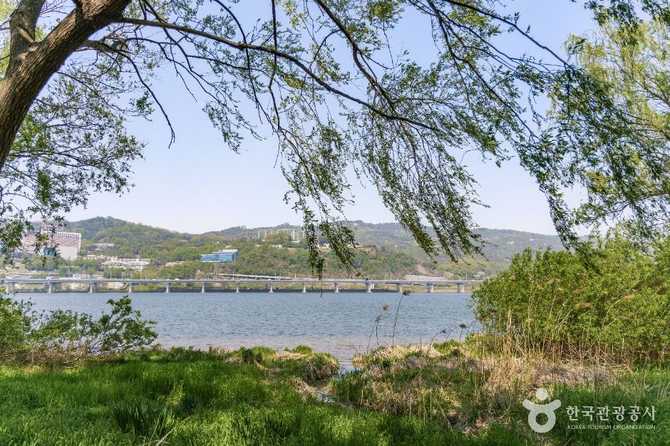
Gwangnaru Hangang Park and Amsa Ecological Park are premier natural spaces located along Seoul’s Han River in the Gangdong District. These parks are dedicated to preserving Korea’s urban ecosystems while providing visitors with engaging opportunities for ecological education and outdoor recreation. As a leading example of urban ecological preservation, they serve as vital green lungs within the city, offering a peaceful retreat from Seoul’s bustling city life.
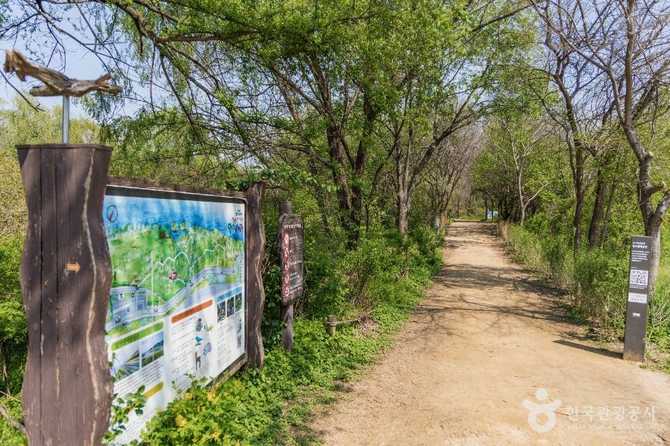
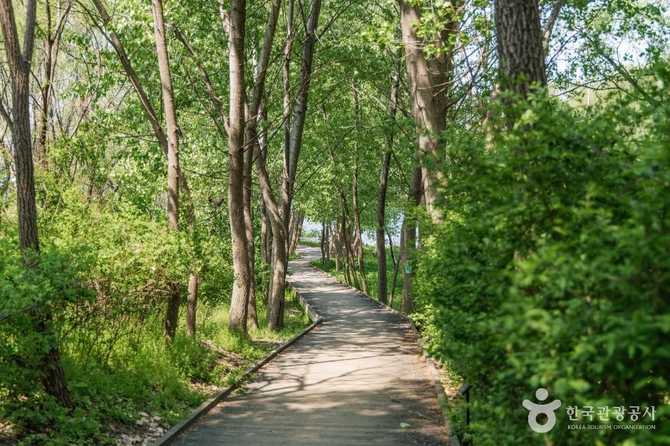
The primary focus of these parks is to foster a deeper understanding of local flora and fauna through various eco-programs, nature walks, and hands-on activities suitable for all ages. Visitors can explore well-maintained walking trails that wind through lush landscapes, observe native wildlife, and participate in environmental learning sessions. The parks are open year-round, making them accessible for seasonal nature experiences, from spring blossoms to winter serenity.
Located at 83-106 Seonsa-ro, Amsa-dong, Seoul, these parks are easily accessible via public transportation and offer convenient parking options. They are especially popular among families, environmental educators, and local residents who want to connect with nature without leaving the city. With free or low-cost programs, these parks emphasize environmental awareness and sustainable living, making them ideal for those passionate about ecological conservation. Whether you’re seeking a relaxing walk, educational activities, or eco-friendly family outings, Gwangnaru Hangang Park and Amsa Ecological Park are top choices for urban ecological exploration in Seoul.
Comparison of Eco-Programs and Facilities at Gwangnaru Hangang Park and Amsa Ecological Park
| Program / Facility | Gwangnaru Hangang Park | Amsa Ecological Park | Notes |
|---|---|---|---|
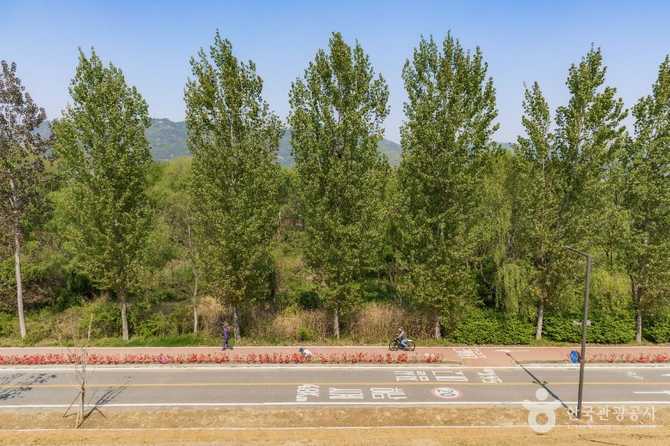
| Nature Walks & Trails | Extensive walking paths along the Han River, suitable for all ages | Well-maintained exploration routes focusing on local ecosystems | Both parks feature accessible trails with scenic views |
| Eco-Programs | Environmental education sessions, eco-tours, and seasonal activities | Hands-on programs like barefoot walking, forest rope activities, and biological exploration | Both parks emphasize experiential learning and eco-awareness |
| Family Activities | Picnic areas, playgrounds, and guided eco-tours | Family-friendly programs such as forest rope courses and biological surveys | Activities designed to engage children and promote environmental consciousness |
| Facilities & Accessibility | Parking, restrooms, and visitor centers available year-round | Parking, restrooms, and reservation-based programs for enhanced experience | Both parks prioritize visitor convenience and safety |
Eco-Program and Family Activity Checklist at Gwangnaru Hangang Park and Amsa Ecological Park
- Pre-visit Preparation: Confirm reservation requirements for specific programs.
- Clothing & Gear: Wear comfortable, weather-appropriate clothing and sturdy shoes suitable for walking and outdoor activities.
- Personal Supplies: Bring reusable water bottles, trash bags, and personal hygiene items to minimize environmental impact.
- Eco-Program Participation: Join activities like barefoot walking, forest rope courses, and biological surveys.
- Family Engagement: Participate in guided eco-tours, nature exploration, and environmental education sessions.
- Safety & Respect: Follow park rules, stay within designated trails, and respect wildlife habitats.
Visitor Information and Facilities at Gwangnaru Hangang Park and Amsa Ecological Park
| Facility / Service | Details |
|---|---|
| Operating Hours | Open year-round, 24 hours for outdoor areas; specific programs may have designated times |
| Parking | Available on-site; first 30 minutes cost 1,000 KRW, then 200 KRW per 10-minute increment |
| Restrooms | Located within the parks, accessible at multiple points for convenience |
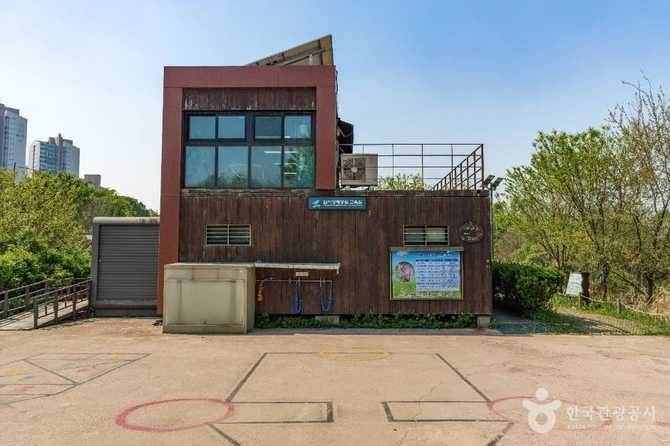
| Visitor Centers & Information | Available for park maps, program details, and environmental guidance |
| Reservation & Participation | Some eco-programs require prior booking; check online or contact park staff |
| Accessibility | Trails and facilities are designed to be accessible for visitors with mobility needs |
Environmental Guidelines and Visitor Tips for Gwangnaru Hangang Park and Amsa Ecological Park
- Pre-visit Preparation: Confirm reservation requirements for specific eco-programs through the park’s official website or contact points.
- Appropriate Attire: Wear comfortable, weather-appropriate clothing and sturdy shoes suitable for walking and outdoor activities.
- Personal Supplies: Bring reusable water bottles, eco-friendly bags, and personal hygiene items to minimize environmental impact.
- Participation in Eco-Programs: Join activities such as barefoot walking, forest rope courses, and biological surveys to enhance your learning experience.
- Family Engagement: Take part in guided eco-tours, nature exploration, and environmental education sessions designed for all ages.
- Safety & Respect: Follow park rules, stay within designated trails, and avoid disturbing wildlife or damaging plant life.
- Waste Management: Dispose of trash in designated bins and carry out all waste to help preserve the natural environment.
- Wildlife & Habitat Preservation: Do not feed animals or interfere with their natural behaviors; respect their habitats.
- Weather Preparedness: Check weather forecasts and bring necessary items such as umbrellas, hats, or raincoats.
Whether you visit during the day or evening, Discover Gwangnaru Hangang Park and is a meaningful stop on any Seoul itinerary for history-minded travelers.
Frequently Asked Questions (FAQ)
Q1: Are Gwangnaru Hangang Park and Amsa Ecological Park free to visit?
Yes, both parks are open year-round with free admission. Visitors can enjoy the natural scenery and eco-programs without an entrance fee.
Q2: Is parking available at Gwangnaru Hangang Park and Amsa Ecological Park, and what are the costs?
Parking is available on-site at both parks. The first 30 minutes cost 1,000 KRW, and subsequent 10-minute increments are charged at 200 KRW each.
Q3: Do I need to reserve in advance for eco-programs and activities?
Some programs require prior reservation, especially during peak seasons. It is recommended to check the parks’ official websites or contact them beforehand to confirm availability.
Q4: What family-friendly activities are available at these parks?
Families can participate in barefoot walking, forest rope activities, and biological exploration programs. There are also picnic areas and playgrounds suitable for children.
Q5: Are there facilities like restrooms and visitor centers at Gwangnaru Hangang Park and Amsa Ecological Park?
Yes, both parks have accessible restrooms and visitor centers where visitors can get information, maps, and guidance for eco-programs and activities.
Q6: What precautions should I take when visiting these parks to protect the environment?
Visitors should stay within designated trails, avoid feeding or disturbing wildlife, and dispose of trash properly. Respect natural habitats and follow park rules to ensure ecological preservation.
Experience the Natural Beauty and Eco-Education at Gwangnaru Hangang Park and Amsa Ecological Park
Visiting Gwangnaru Hangang Park and Amsa Ecological Park offers a unique opportunity to immerse yourself in Korea’s rich natural environment right within Seoul’s city limits. These parks are not only scenic retreats along the Han River but also vital centers for ecological preservation and environmental education. Whether you are a family looking for outdoor fun, an educator seeking meaningful eco-activities, or a traveler eager to learn about local ecosystems, these parks provide a welcoming space for all.
With well-maintained trails, engaging eco-programs, and a peaceful natural setting, visitors can enjoy a variety of activities that promote environmental awareness and sustainability. The parks are open year-round, allowing visitors to experience Korea’s changing seasons, from vibrant spring blooms to tranquil winter landscapes. Facilities such as parking, restrooms, and visitor centers ensure a comfortable visit, while the diverse programs—like barefoot walking, forest rope activities, and biological exploration—make environmental education accessible and fun for everyone.
If you are seeking an enriching escape that combines nature, education, and relaxation, Gwangnaru Hangang Park and Amsa Ecological Park are excellent choices. They exemplify Korea’s commitment to urban ecological preservation and community engagement, making them must-visit destinations for those interested in experiencing Korea’s natural side while contributing to environmental awareness. Plan your visit to these parks and enjoy a meaningful day surrounded by Korea’s beautiful natural landscapes and eco-friendly activities, fostering a deeper appreciation for the environment and its preservation.