
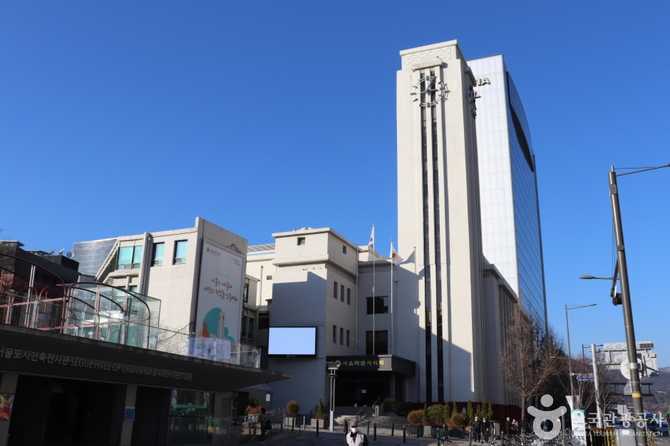
출처 : ⓒ한국관광콘텐츠랩 또는 ⓒ한국관광공사
Korean Independence Movement Landmark: The Gyeongseong Bumin-gwan Bombing Incident
Location 서울특별시 중구 세종대로 125 (태평로1가)
Location 서울특별시 중구 세종대로 125 (태평로1가)
Discover the historical significance of the Gyeongseong Bumin-gwan bombing, a pivotal event symbolizing Korean resistance during the Japanese occupation. This site offers insight into the courageous acts of young independence fighters and their fight for Korea’s freedom.
At a glance
- Who this is for
-
- History enthusiasts interested in Korea’s modern independence movement
- Travelers seeking meaningful cultural and historical sites in Seoul
- Educators and students studying Korea’s colonial resistance
- Visitors exploring Korean heritage and historical landmarks
- Key takeaways
-
- The Gyeongseong Bumin-gwan was a cultural hub and assembly site built in 1935.
- On July 24, 1945, young independence fighters planted and detonated a bomb to disrupt pro-Japanese gatherings.
- This act symbolized Korean resistance just before liberation from Japanese rule.
- The site is now marked with a commemorative plaque on Seoul’s city hall grounds.
- Though not protected as a designated cultural heritage, the site remains a powerful historical symbol.
- Tips & cautions
-
- Visit with respect and maintain a quiet demeanor to honor the historical significance.
- The site is open year-round; no entry fee is required.
- Parking is unavailable; plan accordingly for your visit.
- Remember that the event involved violence, which should be viewed within its historical context.
- Bottom line
- Korean independence movement history is vividly embodied by the Gyeongseong Bumin-gwan bombing, a testament to youth resistance and national pride.
Understanding the Gyeongseong Bumin-gwan bombing incident provides valuable insight into Korea’s struggle for independence during the Japanese occupation. This event, occurring in Seoul’s historic district, highlights the bravery and resilience of young Koreans who risked everything to oppose colonial rule. Originally a cultural and assembly center, the site became a symbol of resistance when young activists planted a bomb in 1945, just months before Korea’s liberation. Today, the site is marked by a commemorative plaque, reminding visitors of the sacrifices made for Korea’s freedom. Exploring this historical landmark offers a meaningful experience for those interested in Korea’s modern history and independence movement.
Whether you are a history buff, a student, or a traveler seeking cultural depth, visiting the Gyeongseong Bumin-gwan bombing site enriches your understanding of Korea’s fight for sovereignty. Its story is a powerful reminder of youth activism and patriotic resistance during a dark chapter of Korean history. As you reflect on this event, consider the broader context of Korea’s independence movement and the enduring spirit of resistance that continues to inspire today.
Overview of the Gyeongseong Bumin-gwan Bombing Incident
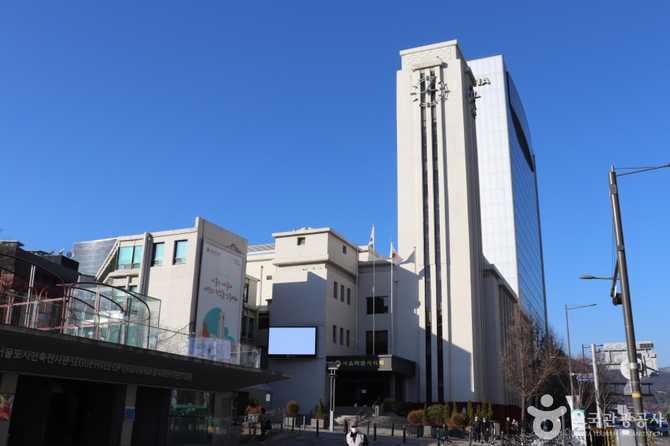
The Gyeongseong Bumin-gwan bombing incident stands as a pivotal moment in Korea’s modern history, symbolizing the resilience and resistance of young independence fighters during the Japanese occupation. This event, which took place on July 24, 1945, involved a daring act of resistance against pro-Japanese officials and their gatherings at the Gyeongseong Bumin-gwan, a cultural and political hub in Seoul. Originally established in 1935 as a municipal theater, the site had become a focal point for cultural events and public assemblies, making it an ideal location for Korean activists to stage their protest.
The incident was meticulously planned by a group of young activists who aimed to disrupt pro-Japanese activities and demonstrate their unwavering desire for independence. The act of planting and detonating a bomb in the midst of a gathering was a bold statement against colonial rule, and it resonated deeply across the Korean independence movement. Although the act involved violence, it was viewed by many as a form of patriotic resistance, symbolizing the fight for Korea’s sovereignty and the end of Japanese colonial rule.
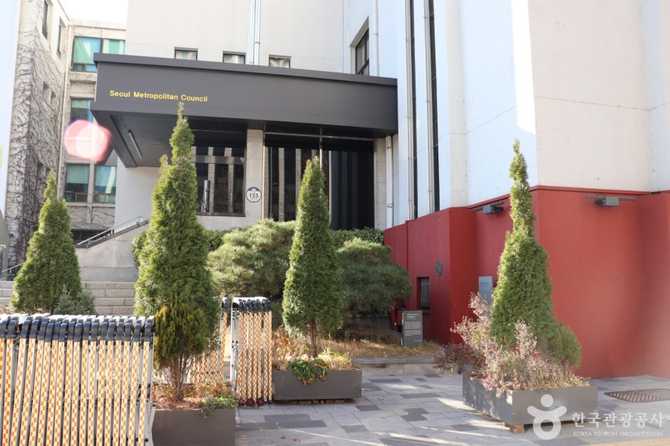
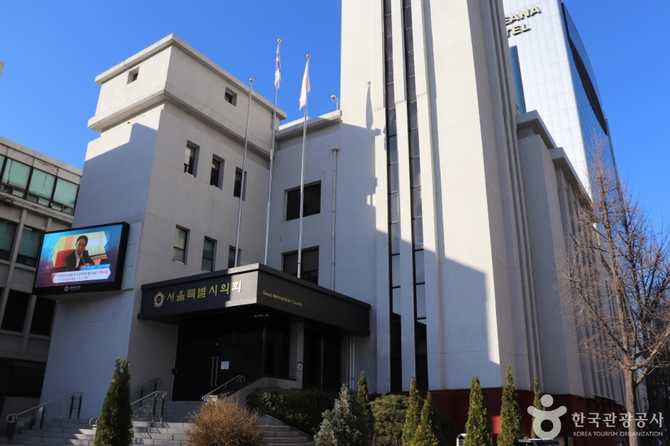
Today, the site of the bombing is marked with a commemorative plaque on the grounds of Seoul’s city hall, serving as a reminder of the courage and sacrifice of those young fighters. The incident remains a powerful symbol of Korea’s struggle for independence, representing youthful resistance and national pride. Visitors interested in Korea’s modern history and independence movement can learn about this event as part of their exploration of Seoul’s historic sites. Understanding the background and significance of the Gyeongseong Bumin-gwan bombing helps contextualize Korea’s fight for freedom during a dark period of colonization and highlights the enduring spirit of resistance that continues to inspire Koreans today.
Comparison of Key Aspects of the Gyeongseong Bumin-gwan Bombing Incident
| Aspect | Details | Remarks |
|---|---|---|
| Date of Incident | July 24, 1945 | Last month before Korea’s liberation |
| Location | Gyeongseong Bumin-gwan, Seoul | Cultural and assembly hub built in 1935 |
| Main Actors | Young independence activists, including 조문기, 유만수, 우동학, 강윤국 | Members of patriotic youth groups |
| Purpose | Disrupt pro-Japanese gatherings and demonstrate resistance | Symbolic act of patriotism and resistance |
| Method | Planting and detonating a dynamite bomb | Bomb placed behind the stage during a speech |
| Outcome | Event interrupted, bomb exploded after a speech | Marked as a symbol of resistance |
| Historical Significance | Represented youth resistance against colonial rule | A key event just before Korea’s liberation |
| Current Status | Marked by a commemorative plaque at Seoul City Hall | Not designated as a cultural heritage site |
Checklist of Key Facts and Tips for Visiting the Gyeongseong Bumin-gwan Bombing Site
- Event Date: July 24, 1945
- Location: Gyeongseong Bumin-gwan, Seoul
- Main Participants: Young independence activists, including 조문기, 유만수, 우동학, 강윤국
- Purpose: Disrupt pro-Japanese gatherings, demonstrate resistance
- Method: Bomb planted behind the stage, detonated during a speech
- Outcome: Event halted, became a symbol of resistance
- Current Marker: A commemorative plaque at Seoul City Hall
Historical Significance and Present-Day Commemoration of the Gyeongseong Bumin-gwan Bombing
The Gyeongseong Bumin-gwan bombing incident holds a profound place in Korea’s modern history as a powerful symbol of youth resistance and national independence. Occurring just months before Korea’s liberation from Japanese colonial rule, this act of daring resistance galvanized the independence movement and demonstrated the unwavering spirit of young Koreans fighting for sovereignty. Today, the site is marked by a commemorative plaque installed on the grounds of Seoul’s city hall, serving as a reminder of the bravery and sacrifice of those young activists.
This historical event is not officially designated as a cultural heritage site, but its significance is preserved through memorials and educational efforts. The site’s current appearance features a simple plaque, but its symbolic importance continues to inspire Koreans and visitors interested in Korea’s struggle for independence. It is regarded as a place where the spirit of resistance and patriotism is honored, encouraging reflection on Korea’s journey to sovereignty.
Visiting the site offers an opportunity to connect with Korea’s history of resistance, understanding the sacrifices made by young Koreans who risked their lives for their country’s freedom. The event’s legacy underscores the importance of perseverance and patriotism in Korea’s national identity, making it a meaningful stop for those exploring Seoul’s historical landmarks.
| Aspect | Details | Remarks |
|---|---|---|
| Significance | Symbol of youth resistance and Korea’s independence movement | Represents patriotic activism during critical historical moments |
| Current Memorial | A commemorative plaque at Seoul City Hall | Serves as an educational and memorial site |
| Cultural Protection | Not officially designated as cultural heritage | Recognized mainly for its historical importance |
| Visitor Experience | Reflective, educational, commemorative | Encourages respectful remembrance of resistance efforts |
Visiting the Gyeongseong Bumin-gwan Bombing Site: Tips and Important Notes
- Location: Seoul City Hall grounds, 125 Sejong-daero, Jung-gu, Seoul
- Official Contact: Jung-gu Office Cultural Heritage Management Team, 02-3396-5842
- Website: http://mfis.mpva.go.kr
- Opening Hours: Open year-round, 24/7; closed on public holidays
- Admission Fee: Free
- Parking: Not available; plan to use public transportation
- Visit Tips: Approach the site with respect and quietness to honor its historical significance. Remember that this site commemorates a resistance movement involving violence; visitors should reflect on its historical context thoughtfully.
- Important Note: The site is a memorial space, not a protected cultural heritage site, so maintain respectful behavior during your visit. Photography is allowed, but avoid disruptive actions to preserve the solemn atmosphere.
Whether you visit during the day or evening, Korean Independence Movement Landmark is a meaningful stop on any Seoul itinerary for history-minded travelers.
Frequently Asked Questions (FAQ)
Q1: What was the Gyeongseong Bumin-gwan bombing incident?
The Gyeongseong Bumin-gwan bombing was a resistance act by Korean independence activists on July 24, 1945, aiming to disrupt pro-Japanese gatherings. It involved planting and detonating a bomb during a public event at the cultural hub in Seoul, symbolizing youth resistance against colonial rule.
Q2: Where exactly did the bombing take place?
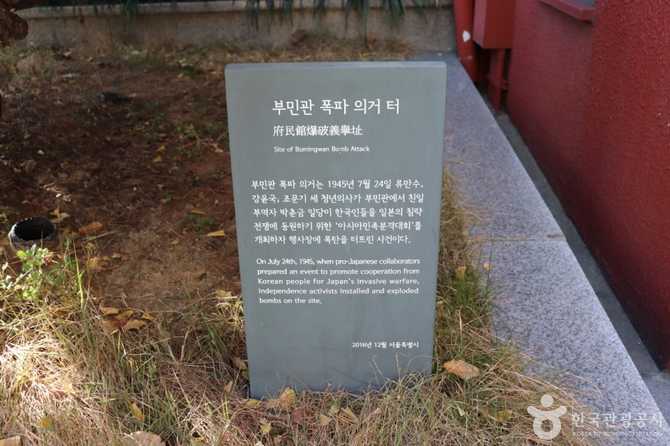
The bombing occurred at Gyeongseong Bumin-gwan, a cultural and assembly center in Seoul, built in 1935. The site is now marked by a commemorative plaque on the grounds of Seoul’s city hall.
Q3: Who were the main individuals involved in the bombing?
The key participants included young independence activists such as 조문기, 유만수, 우동학, and 강윤국. 유만수 played a crucial role by infiltrating to retrieve dynamite for the bomb.
Q4: What was the purpose of the bombing?
The primary goal was to interfere with pro-Japanese conferences and demonstrate resistance to colonial rule. It was a symbolic act of patriotism and youth activism during Korea’s fight for independence.
Q5: How is the site commemorated today?
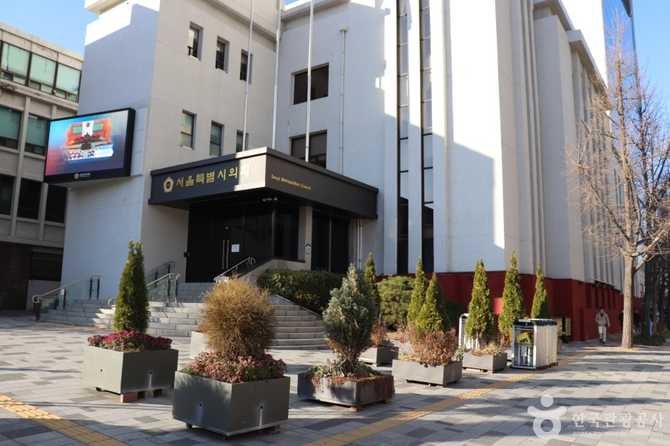
The site is marked by a memorial plaque installed at Seoul City Hall. It is not designated as an official cultural heritage site but remains a significant symbol of Korea’s independence movement.
Q6: What should visitors keep in mind when visiting the bombing site?
Visitors are advised to show respect and maintain a quiet demeanor to honor the historical significance. It is important to remember that the event involved violence and should be approached with understanding of its patriotic context.
Conclusion: Honoring the Legacy of the Gyeongseong Bumin-gwan Bombing Incident
Visiting the Gyeongseong Bumin-gwan bombing incident site offers a meaningful opportunity to reflect on Korea’s resilient fight for independence during a dark chapter of its history. This historic event, carried out by brave young activists just before Korea’s liberation in 1945, symbolizes the unwavering spirit of resistance and patriotism that continues to inspire Koreans today. While the site itself is modest—a commemorative plaque on the grounds of Seoul’s city hall—it holds immense symbolic value as a reminder of the sacrifices made for Korea’s sovereignty. Understanding this event deepens our appreciation for Korea’s modern history and highlights the importance of youth activism in shaping the nation’s future. When visiting, it’s essential to approach the site with respect, recognizing its role as a place of remembrance and patriotism. The Gyeongseong Bumin-gwan bombing incident remains a powerful testament to Korea’s enduring spirit of resistance and national pride. Preserving and honoring this history ensures that future generations remember the courage and sacrifices that contributed to Korea’s independence and sovereignty.