
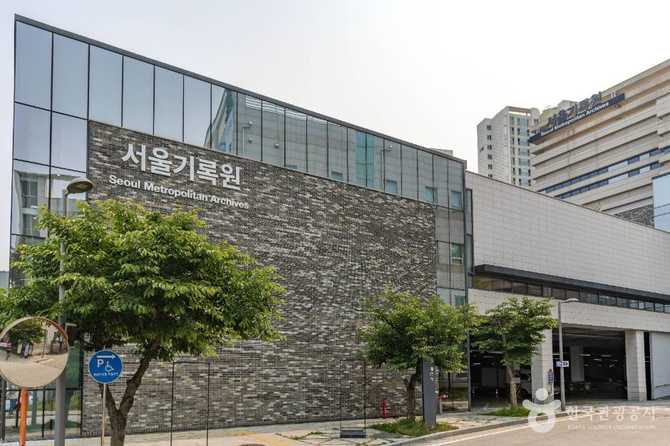
출처 : ⓒ한국관광콘텐츠랩 또는 ⓒ한국관광공사
Seoul Archives: Discover Korea’s Rich History and Citizen Records
Location 서울특별시 은평구 통일로62길 7 (녹번동)
Location 서울특별시 은평구 통일로62길 7 (녹번동)
Looking to explore Seoul’s historical records and cultural heritage? The Seoul Archives offers a comprehensive experience of Korea’s past through preserved documents, exhibitions, and educational programs designed for visitors and researchers alike.
At a glance
- Who this is for
-
- Citizens and researchers interested in Seoul’s history and records
- Professionals managing public archives and preservation
- Students and visitors eager to learn about Seoul’s cultural heritage
- Key takeaways
-
- Systematic collection and preservation of Seoul’s official and citizen records
- Offers exhibitions, educational programs, and record restoration services
- Located in Eunpyeong-gu, easily accessible by public transport
- Free entry with parking facilities available
- Closed on Mondays, January 1, and major Korean holidays
- Tips & cautions
-
- Check the official website for exhibition schedules and programs before visiting
- Some programs require prior reservation
- Handle records carefully during viewing
- Be aware of opening hours and closure days
- Bottom line
- Seoul Archives is the central hub for preserving and experiencing Seoul’s historical records and citizen memories, connecting the past with the present for future generations.
Discover the Seoul Archives, a vital institution dedicated to the systematic collection, preservation, and presentation of Seoul’s historical records and citizen memories. Located in Eunpyeong-gu, Seoul, this public archive plays a crucial role in safeguarding Korea’s cultural heritage and providing meaningful educational and exhibition programs for visitors of all ages.
The Seoul Archives serves as a bridge between Seoul’s past and present, offering a rich collection of official documents, historical records, and citizen contributions. Visitors can explore exhibitions, participate in educational workshops, and learn about Korea’s vibrant history through carefully preserved records. Whether you are a researcher, student, or history enthusiast, the Seoul Archives provides a unique opportunity to engage with Korea’s cultural legacy in a safe and accessible environment.
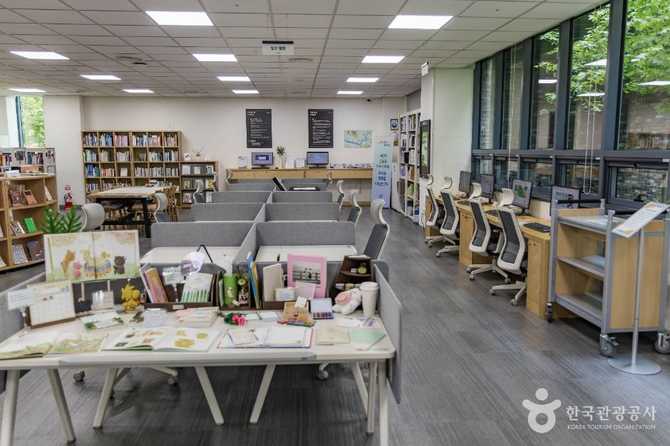
With free admission and convenient parking facilities, the Seoul Archives welcomes everyone interested in exploring Seoul’s historical and cultural landscape. Its mission extends beyond mere preservation; it actively promotes a culture of record-keeping and citizen participation, ensuring that Seoul’s history remains alive and accessible for future generations.
Plan your visit by checking the official website for upcoming exhibitions and educational programs. Remember to observe the visiting guidelines, handle records carefully, and respect the closure days to make the most of your experience at Seoul Archives.
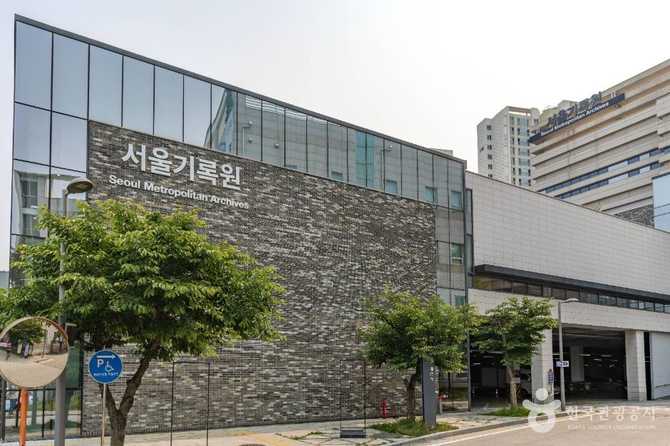
Introduction to Seoul Archives and Its Role
Seoul Archives, also known as 서울기록원, is the central institution responsible for preserving Seoul’s historical records and citizen memories. As a key public archive in Korea, it plays a vital role in collecting, safeguarding, and providing access to official documents, historical records, and citizen contributions that depict Seoul’s rich cultural and political history. Located in Eunpyeong-gu, Seoul, the archives serve as a bridge connecting the city’s past with its present, ensuring that the stories and records of Seoul are preserved for future generations. The focus keyword, Seoul Archives, highlights its importance as the main hub for record preservation and cultural heritage in Seoul.
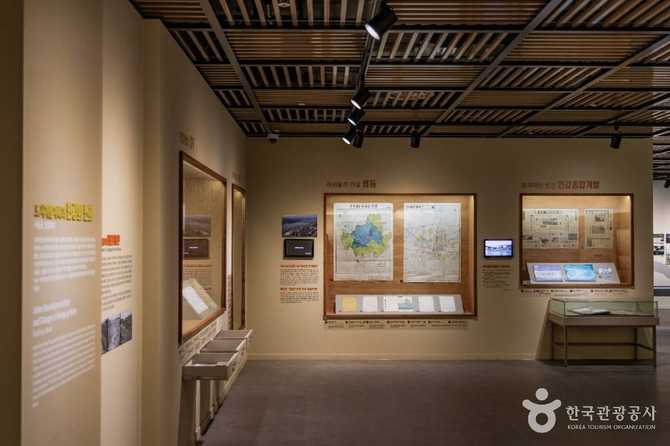
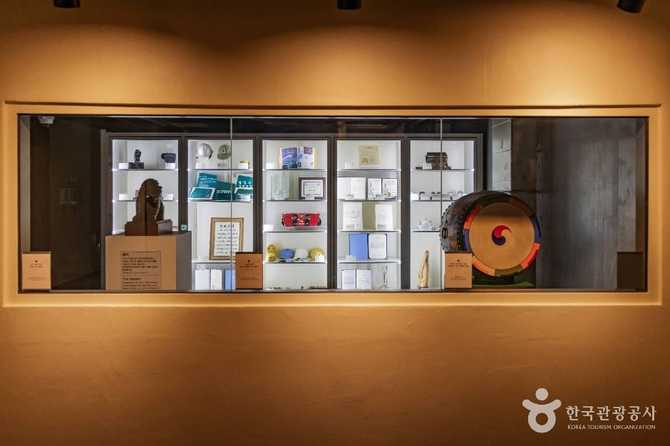
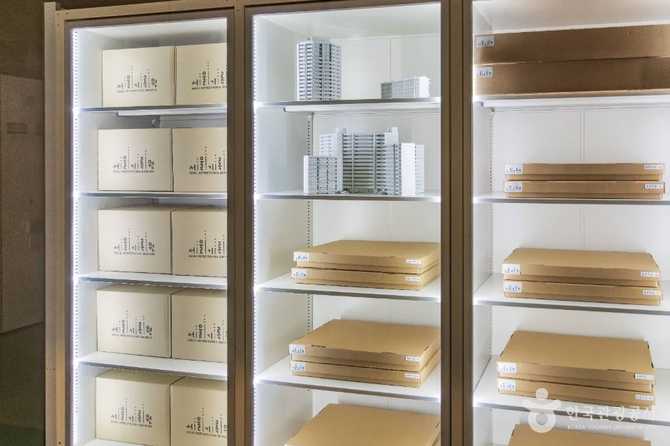
The Seoul Archives actively collects a wide variety of records, including government documents, historical artifacts, and personal citizen records. These materials are meticulously stored in specialized environments designed to prevent deterioration, with controlled temperature and humidity to ensure their longevity. Beyond preservation, Seoul Archives also offers numerous educational and exhibition programs aimed at engaging the public and raising awareness about the importance of record-keeping and cultural heritage. Visitors range from researchers and students to history enthusiasts and casual visitors interested in Seoul’s history.
By providing free access to its collections and programs, Seoul Archives fosters a culture of transparency, education, and community participation. It also collaborates with other cultural institutions and academic entities to promote research and public understanding of Seoul’s history. The institution’s mission is not only to preserve records but also to make them accessible and meaningful, ensuring Seoul’s history remains alive and relevant. Whether exploring historical documents or participating in educational activities, visitors can gain a deeper understanding of Seoul’s evolution and the role of citizen records in shaping the city’s identity.
Comparison of Record Preservation and Restoration at Seoul Archives
| Aspect | Preservation Method | Restoration Process | Remarks |
|---|---|---|---|
| Environmental Control | Maintains constant temperature and humidity using specialized storage environments | Not applicable; focuses on prevention | Essential for long-term preservation of records |
| Handling | Uses gloves and careful procedures to prevent damage | Requires careful handling during repair | Minimize physical stress on documents |
| Restoration Techniques | Not applicable during preservation; applied during repair | Includes cleaning, mending tears, deacidification, and digital restoration | Performed by trained specialists to restore record integrity |
| Duration | Permanently maintained in controlled environments | Depends on damage extent; can be time-consuming | Aims for long-term preservation and usability |
Overall, the preservation environment at Seoul Archives is designed to prevent deterioration, while restoration involves repairing damaged records to restore their original state. Both processes are essential to maintaining Seoul’s cultural heritage and ensuring records remain accessible and intact for future research and public display.
Exhibitions and Educational Programs at Seoul Archives: A Practical Checklist
- Check the official website for upcoming exhibition schedules and educational programs before planning your visit.
- Make a reservation for specific programs or guided tours if required, as some activities may have limited capacity.
- Review the visiting hours to ensure your schedule aligns with the archive’s operational times (10:00 AM – 5:00 PM).
- Arrive early to maximize your experience and avoid missing popular exhibitions or workshops.
- Handle records carefully during viewing sessions; follow staff instructions to prevent damage.
- Participate in educational activities such as lectures, workshops, or hands-on experiences to deepen your understanding of Seoul’s history.
Visiting Information and Tips for Seoul Archives
| Item | Details |
|---|---|
| Address | 서울특별시 은평구 통일로62길 7 (녹번동) |
| Operating Hours | 10:00 AM – 5:00 PM |
| Closed on | Every Monday, January 1, and Korean major holidays (Seollal, Chuseok) |
| Parking | Available; 5 minutes per 250 KRW, first 30 minutes free on weekdays, free on weekends and holidays |
| Accessibility | Easily accessible by subway and bus; near public transportation options |
| Website | https://archives.seoul.go.kr |
- Check the official website before your visit to confirm exhibition schedules and educational programs. This helps you plan your day effectively.
- Make reservations for specific programs or guided tours if required, as some activities may have limited capacity and require advance booking.
- Review the opening hours and closure days to ensure your visit aligns with the archive’s operational times.
- Arrive early to maximize your experience, especially if you want to participate in popular exhibitions or workshops.
- Handle records carefully during viewing sessions; follow staff instructions to prevent any damage to valuable documents.
- Participate actively in educational activities like lectures, workshops, or hands-on sessions to deepen your understanding of Seoul’s history and citizen records.
Frequently Asked Questions (FAQ)
Q1: What is the Seoul Archives?
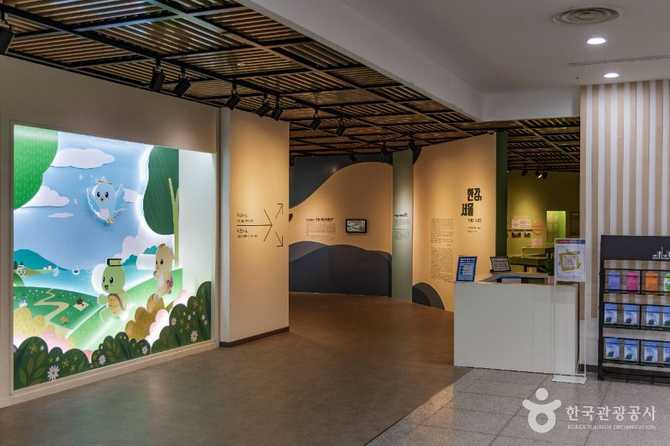
The Seoul Archives, known as 서울기록원, is a public institution responsible for collecting, preserving, and managing Seoul’s official records and citizen contributions. It serves as the main hub for safeguarding Seoul’s historical documents and cultural heritage.
Q2: What types of records does Seoul Archives preserve?
Seoul Archives preserves a variety of records, including government documents, historical artifacts, and personal citizen records that reflect Seoul’s political, cultural, and social history. These records are stored permanently for research and public access.
Q3: Can visitors view records and participate in programs at Seoul Archives?
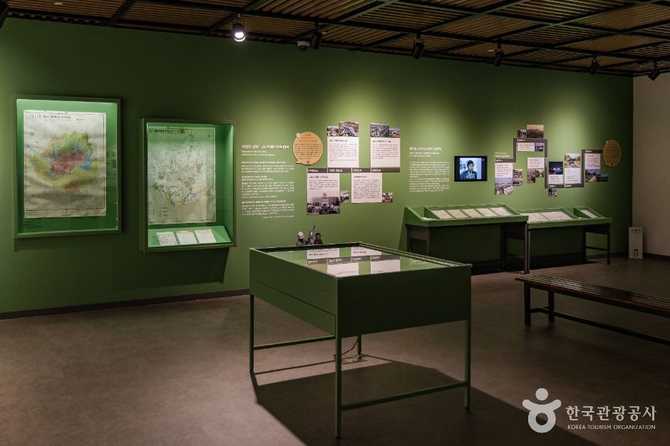
Yes, visitors can view preserved records and participate in various exhibitions, educational workshops, and cultural programs. Some activities may require prior reservation, so checking the schedule in advance is recommended.
Q4: Where is Seoul Archives located and how can I get there?
Seoul Archives is located at 7 Tongil-ro 62-gil, Eunpyeong-gu, Seoul. It is easily accessible by subway and bus, with nearby public transportation options for convenient travel.
Q5: Is there parking available at Seoul Archives?
Yes, Seoul Archives offers parking facilities. The parking fee is 250 won per 5 minutes, with the first 30 minutes free on weekdays, and free parking on weekends and public holidays.
Q6: What should I keep in mind when visiting Seoul Archives?
Visitors should check the opening hours and closure days before visiting. Records should be handled carefully, and some programs may require prior reservation. It is also important to follow staff instructions during record viewing.
Closing Information and Visitor Tips for Seoul Archives
When planning your visit to Seoul Archives, it is important to be aware of its operating schedule and closure days to ensure a smooth and enjoyable experience. The Seoul Archives is open from 10:00 AM to 5:00 PM, providing ample time for visitors to explore its collections and participate in educational programs. However, the facility is closed every Monday, as well as on January 1st and during major Korean holidays such as Seollal and Chuseok. These closure days are crucial to keep in mind, especially if you are traveling from afar or coordinating a specific visit.
To make the most of your trip, it is recommended to check the official website beforehand for any updates on special closures or schedule changes. This will help you avoid disappointment and plan your visit on a day when the archives are accessible. Additionally, arriving early within the operating hours allows you to fully enjoy the exhibitions and participate in programs without feeling rushed. If you need parking, note that the facility offers parking spaces with a fee of 250 won per 5 minutes, although the first 30 minutes are free on weekdays and parking is free on weekends and public holidays.
Remember to handle records carefully during your visit, following staff instructions to preserve the integrity of the collections. Whether you are a researcher, student, or casual visitor, respecting the rules and closure schedules ensures that Seoul Archives can continue to serve the public effectively. Planning your visit with these details in mind will help you have a meaningful experience, connecting with Seoul’s rich history and citizen memories in a safe and organized environment. The Seoul Archives remains a vital institution dedicated to preserving Korea’s cultural heritage for generations to come.