
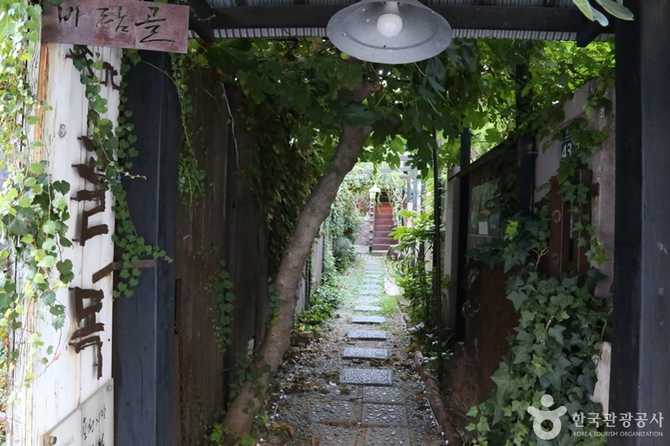
출처 : ⓒ한국관광콘텐츠랩 또는 ⓒ한국관광공사
Discover Busan Cultural Alley: A Model of Urban Renewal and Cultural Space
Location 부산광역시 남구 수영로334번길 36-1
Location 부산광역시 남구 수영로334번길 36-1
Are you interested in exploring a vibrant cultural space that exemplifies successful urban regeneration in Korea? Busan Cultural Alley offers visitors a unique blend of history, modern art, and eco-friendly architecture, making it a must-visit destination for travelers seeking authentic local culture and innovative city projects.
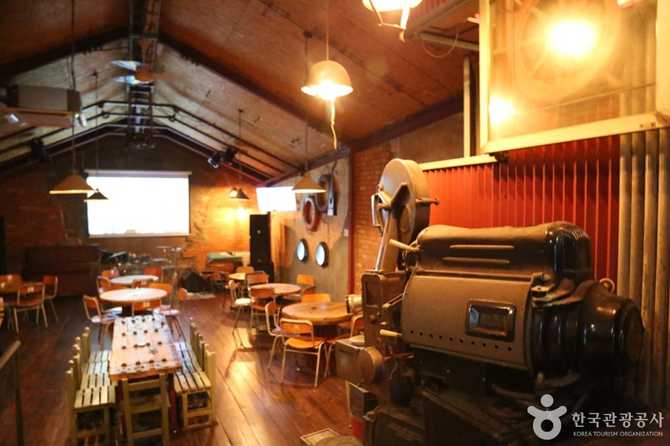
Located at 36-1 Suyeong-ro 334beon-gil, Nam-gu, Busan, this cultural alley is not just a popular tourist spot but also a shining example of how urban renewal can foster community engagement and cultural development. Since its inception in 2004, Busan Cultural Alley has transformed old buildings and neglected alleyways into lively hubs of art, music, and local life, all while emphasizing sustainable practices like the reuse of building materials and preservation of natural scenery.
Whether you’re a cultural enthusiast, an architecture professional, or a curious traveler, exploring Busan Cultural Alley will deepen your understanding of how city spaces can be revitalized to serve both residents and visitors. This space reflects the city’s commitment to environmental sustainability and cultural preservation, making it an inspiring model for urban regeneration worldwide.
At a glance
- Who this is for
-
- Travelers interested in urban regeneration and cultural experiences
- Local residents and visitors seeking authentic Korean culture
- Architecture and city planning professionals
- Cultural and arts enthusiasts
- Key takeaways
-
- Established in 2004 as part of Busan’s urban renewal project
- Features renovated buildings, galleries, cafes, and performance venues
- Emphasizes eco-friendly practices like material recycling and landscape preservation
- Serves as a hub for local arts, music, and cultural events
- Popular among young people and tourists for its vibrant atmosphere
- Tips & cautions
-
- Check operating hours and holiday schedules of individual venues before visiting
- No parking facilities are available on-site; use public transportation or nearby parking lots
- Visit during weekends or evenings for a more lively experience
- Be mindful of some venues with varying hours and special event schedules
- Bottom line
- Busan Cultural Alley stands out as a successful model of urban renewal, blending cultural vitality with sustainable architecture, making it a must-visit for anyone exploring Busan.
Busan Cultural Alley is more than just a tourist attraction; it embodies the city’s dedication to preserving its history while embracing modern cultural expressions. The space has evolved from a neglected area into a lively cultural hub that attracts both young locals and international visitors. Its innovative approach to urban renewal—focused on environmentally friendly practices and community involvement—serves as an inspiring example for cities worldwide.
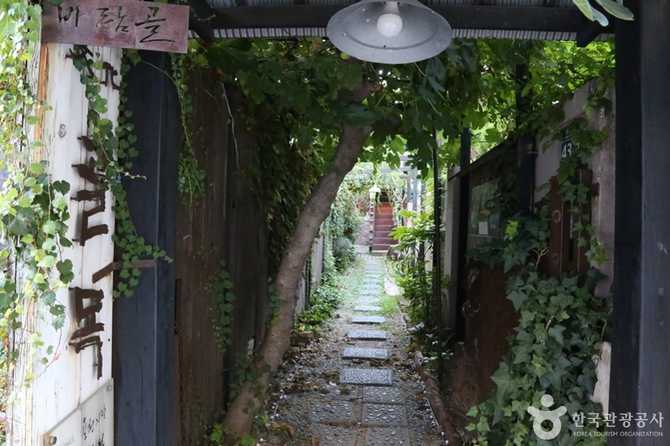
Visitors can enjoy a variety of cultural facilities, including art galleries, performance venues, cozy cafes, and lively pubs, all nestled within beautifully restored alleyways. The project highlights the importance of sustainable development, utilizing recycled building materials and maintaining natural landscapes to create a harmonious urban environment. Exploring Busan Cultural Alley offers a deep dive into Korea’s creative spirit and urban transformation efforts, making it a rewarding destination for cultural explorers and city enthusiasts alike.
Cultural Alley Overview and History
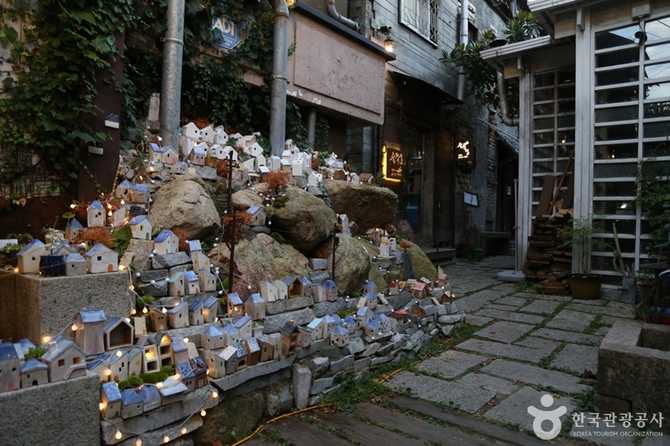
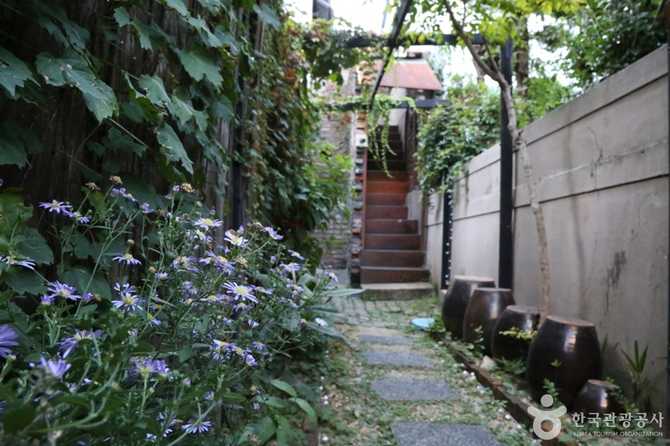
Busan Cultural Alley is a vibrant urban space that exemplifies successful city renewal and cultural revitalization in Korea. As a prominent example of urban regeneration, the cultural alley was initiated in 2004 by architect Choi Yoon-sik, transforming neglected alleyways and old buildings into lively hubs of art, music, and community activity. This project aimed to preserve the historical architecture and natural scenery of the area while infusing it with contemporary cultural energy. The focus was on sustainable development, utilizing recycled building materials and maintaining the natural landscape to create an eco-friendly environment that respects the original urban fabric.
The development of Busan Cultural Alley marked a turning point in the city’s approach to urban renewal, emphasizing cultural preservation and community engagement. The project received the Busan Architecture Award in 2008, recognizing its innovative design and positive impact on local revitalization. Over the years, the alley has grown into a popular destination among young people and tourists, offering a unique blend of traditional and modern Korean culture. Its success lies in balancing the preservation of historical elements with contemporary uses, such as galleries, cafes, performance venues, and local markets.
Today, Busan Cultural Alley continues to evolve, serving as a model for sustainable urban development and cultural promotion. It is a space where art, history, and community converge, fostering a sense of belonging and pride among residents while attracting visitors eager to experience Korea’s creative spirit. The ongoing efforts to expand and improve the alley aim to keep it relevant and vibrant, ensuring its role as a cultural landmark and a symbol of urban renewal for years to come. Visiting this space provides insight into how thoughtful planning and community involvement can transform a city’s neglected areas into thriving cultural centers.
Main Cultural Facilities and Features
| Facility Name | Main Features | Remarks |
|---|---|---|
| Yongcheonjirak Small Theater | 80-seat performance venue hosting local performances and cultural events | Focuses on community arts and small-scale performances |
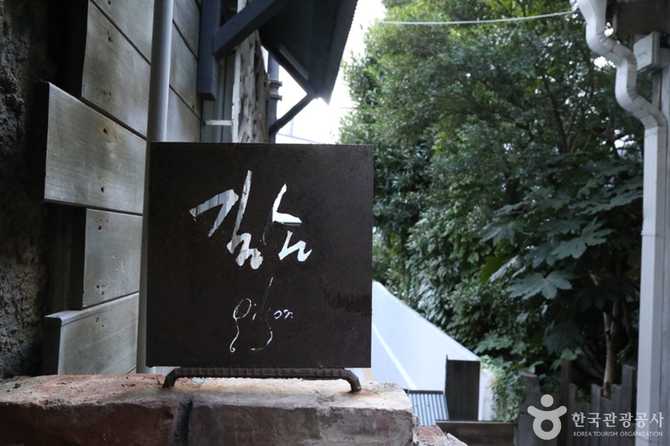
| Gallye Sookryuwon Gallery | Contemporary art exhibitions showcasing local artists | Provides a platform for emerging artists |
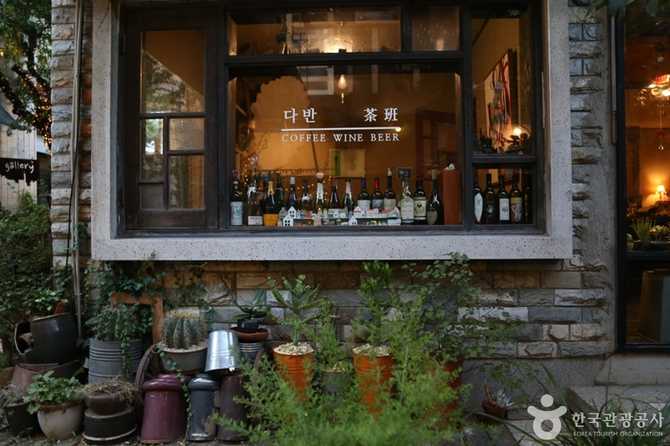
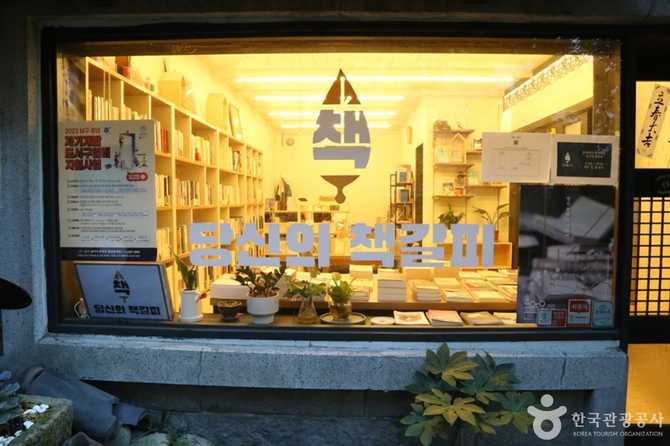
| Daban Coffee Shop | Cozy cafe space for socializing and cultural exchange | Popular among locals and tourists for its relaxed atmosphere |
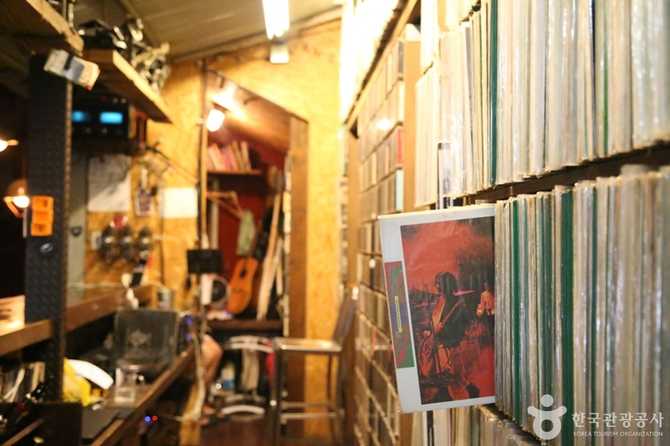
| Punggeum Karaoke Room | Music and singing space with musical instruments | A lively spot for cultural and musical activities |
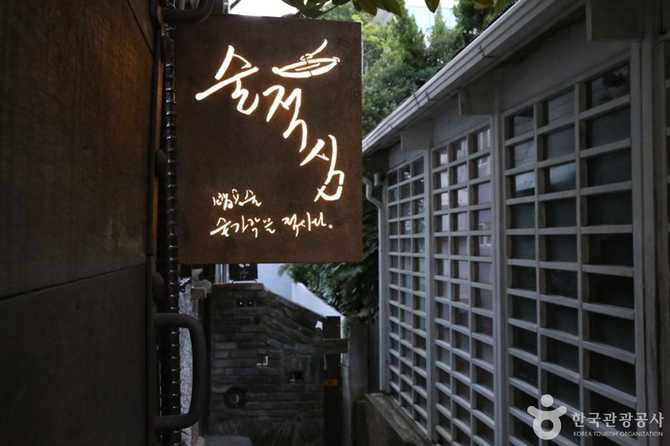
| Other Facilities | Various galleries, pubs, and cultural shops | All contribute to the vibrant cultural atmosphere |
Urban Renewal and Eco-Friendly Architecture
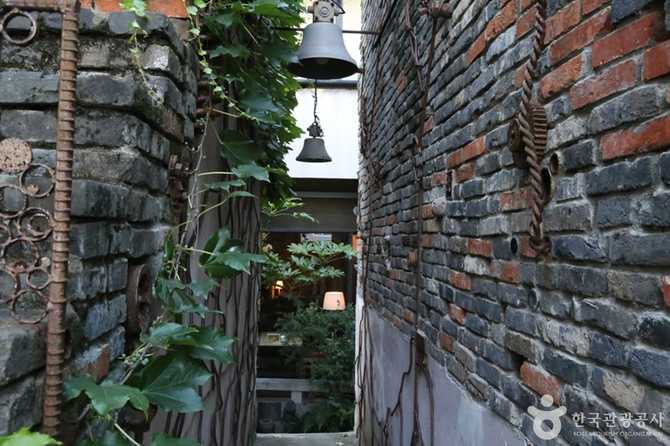
- Recycling Building Materials: The renovation process extensively used reclaimed bricks and wood from old structures, ensuring minimal environmental impact and maintaining the historical charm of the alley.
- Exterior Modernization: Some buildings received updated facades with a blend of traditional and modern materials, such as steel and wood, to enhance aesthetic appeal while respecting original architecture.
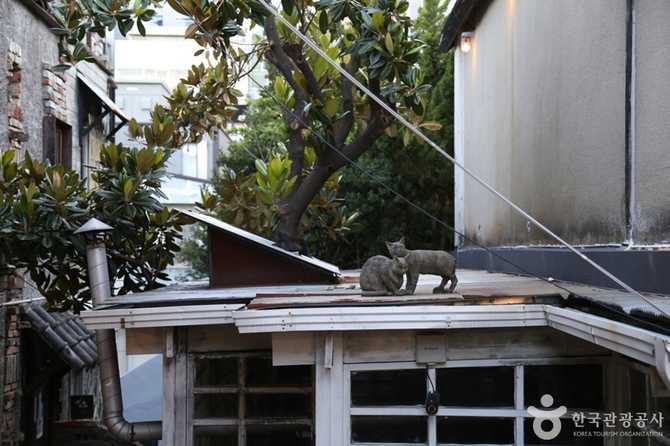
- Landscape Preservation: Existing natural landscapes and mature trees were preserved to create a harmonious environment that integrates urban life with nature.
- Sustainable Design Tips: When renovating or designing urban spaces, prioritize the reuse of existing materials and natural landscape features to promote sustainability. This approach reduces waste and maintains the area’s cultural integrity.
Visitor Information and Tips for Exploring Busan Cultural Alley
Planning your visit to Busan Cultural Alley ensures a smooth and enjoyable experience. Here are essential tips and practical information to make the most of your trip:
- Check Operating Hours: Each cultural facility and shop within the alley has its own opening hours. Confirm these in advance through official websites or contact points to avoid disappointment.
- Verify Holiday Schedules: Some venues may close on specific days or holidays. It’s recommended to verify holiday closures before your visit.
- Transportation Options: Since there are no dedicated parking facilities on-site, use public transportation such as buses or subway lines. Nearby public parking lots are available for those arriving by car.
- Best Visiting Times: For a lively atmosphere, visit during weekends or evenings. Many events and performances are scheduled during these times, offering a richer cultural experience.
- Event and Performance Schedules: Check the schedule of cultural events, exhibitions, and performances in advance. Many venues host special events that require prior reservation or ticket purchase.
- What to Bring: Comfortable walking shoes, a camera, and perhaps a small cash reserve for purchases at local shops or cafes.
By following these tips, your visit to Busan Cultural Alley will be more enjoyable and hassle-free, allowing you to immerse yourself fully in the local culture and vibrant atmosphere.
Future Plans and Development of Busan Cultural Alley
Busan Cultural Alley continues to evolve with a focus on sustainable growth and cultural enrichment. The future development plans aim to enhance its role as a leading model of urban renewal and cultural promotion in Korea:
- Promotion of Eco-Friendly Architecture: Continued use of recycled and sustainable building materials, with plans to incorporate more green infrastructure such as solar panels and rainwater harvesting systems.
- Expansion of Cultural Programs: Increasing collaborations with local artists, hosting more workshops, art festivals, and cultural events to attract diverse audiences.
- Community Engagement: Strengthening communication channels with local residents to ensure development projects meet community needs and preserve neighborhood character.
- Tourism Enhancement: Developing guided tours, informational signage, and multilingual materials to better serve international visitors and promote global awareness.
- Infrastructure Improvements: Upgrading accessibility features, adding more public seating, and improving signage for easier navigation.
- Environmental Conservation: Preserving existing natural landscapes and promoting eco-friendly practices among local businesses and visitors.
These initiatives aim to ensure that Busan Cultural Alley remains a vibrant, sustainable, and culturally rich space that continues to attract both local residents and international tourists. The ongoing commitment to eco-conscious development and community involvement will help secure its status as a prime example of successful urban renewal in Korea.
Whether you visit during the day or evening, Discover Busan Cultural Alley is a meaningful stop on any Seoul itinerary for history-minded travelers.
Frequently Asked Questions (FAQ)
Q1: When was Busan Cultural Alley officially opened?
Busan Cultural Alley officially opened in 2008 as part of the city’s urban renewal initiatives, transforming neglected alleyways into vibrant cultural spaces.
Q2: What are the main cultural facilities within Busan Cultural Alley?
Key facilities include the Yongcheonjirak Small Theater, Gallye Sookryuwon Gallery, Daban Coffee Shop, Punggeum Karaoke Room, and various galleries, pubs, and cultural shops that contribute to its lively atmosphere.
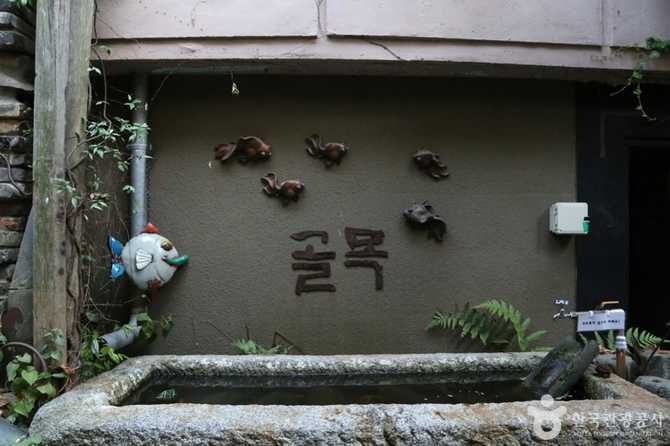
Q3: How has urban renewal been implemented in Busan Cultural Alley?
The renovation used recycled building materials such as bricks and wood, preserved natural landscapes, and updated building facades with modern elements, all while maintaining historical integrity and promoting eco-friendly practices.
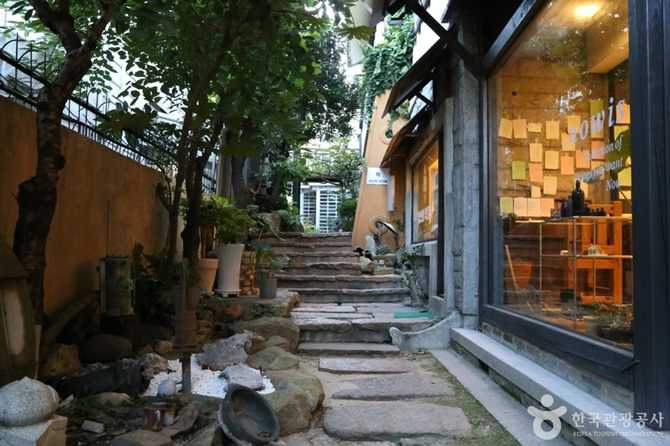
Q4: Is there parking available at Busan Cultural Alley?
No, there are no dedicated parking facilities within the alley. Visitors are encouraged to use public transportation or nearby public parking lots for convenience.
Q5: What are some tips for visiting Busan Cultural Alley?
It is advisable to check the operating hours and holiday schedules of individual venues beforehand. Visiting during weekends or evenings offers a more lively experience, and checking event schedules can enhance your visit.
Q6: What are the future plans for Busan Cultural Alley?
The future development focuses on expanding cultural programs, utilizing sustainable architecture, strengthening community engagement, and supporting local artists to ensure ongoing revitalization and vibrancy.
Closing Remarks on Busan Cultural Alley: A Model of Urban Renewal and Cultural Space
Visiting Busan Cultural Alley offers a unique opportunity to experience Korea’s innovative approach to urban regeneration and cultural preservation. This vibrant space exemplifies how thoughtful planning and community involvement can transform neglected areas into lively centers of art, history, and social interaction. Whether you are interested in exploring local galleries, enjoying live performances, or simply soaking in the dynamic atmosphere, this cultural alley provides a meaningful and memorable experience for all visitors. Its emphasis on eco-friendly architecture, such as the reuse of building materials and preservation of natural landscapes, highlights Korea’s commitment to sustainable development. As a prominent example of urban renewal, Busan Cultural Alley continues to evolve, attracting young people, tourists, and locals alike. By visiting this space, you not only enjoy Korea’s rich cultural heritage but also witness a successful model of city revitalization that balances tradition with modernity. Make sure to plan your visit carefully, check operating hours, and embrace the lively spirit of this exceptional cultural landmark. Exploring Busan Cultural Alley will deepen your appreciation for Korea’s creative energy and innovative urban projects, leaving you inspired by its ongoing transformation and vibrant community life.