
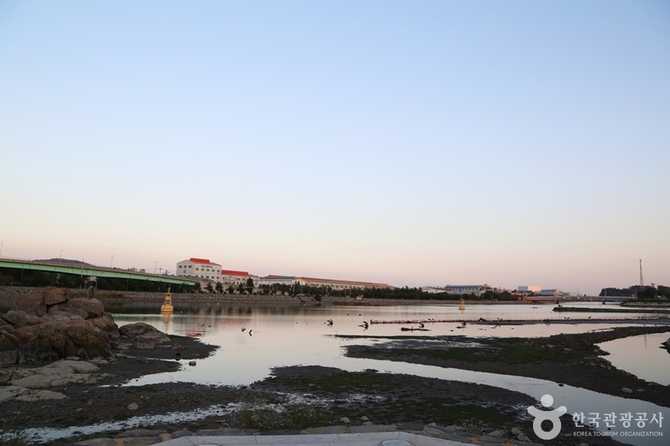
출처 : ⓒ한국관광콘텐츠랩 또는 ⓒ한국관광공사
Discover Mangsan-do and Yujuam: Korea’s Historic Islands and Legends
Location 부산광역시 강서구 송정동
Location 부산광역시 강서구 송정동
Are you interested in exploring Korea’s rich cultural heritage and natural beauty? Discover Mangsan-do and Yujuam, two iconic islands in Busan that offer a unique blend of history, legends, and scenic landscapes. These sites provide travelers with an immersive experience into Korea’s ancient stories and natural wonders, making them must-visit destinations for history buffs and nature lovers alike.
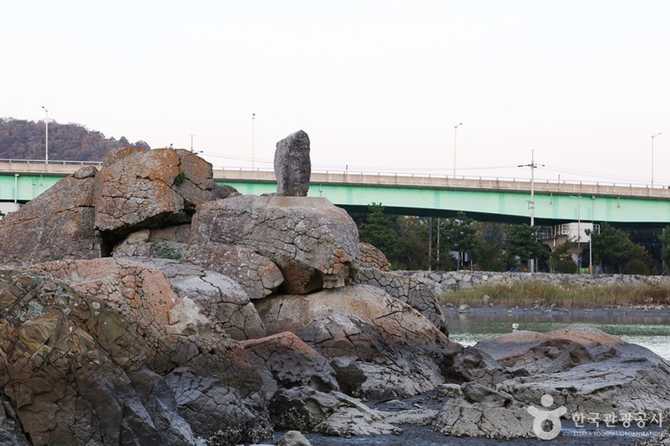
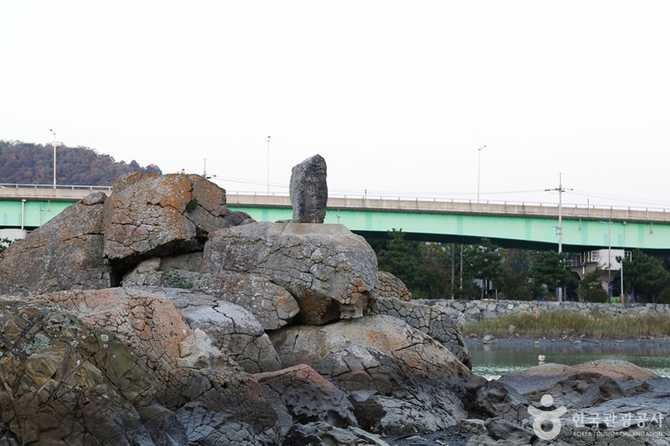
In this guide, you’ll find detailed information about the origins, legends, and visitor tips for Mangsan-do and Yujuam. Whether you’re curious about their historical significance or planning a trip to witness their natural beauty firsthand, this comprehensive overview will help you make the most of your visit.

At a glance
- Who this is for
-
- Travelers interested in Korean history and legends
- Nature and scenic landscape enthusiasts
- Tourists exploring Busan’s cultural heritage
- History buffs and cultural heritage lovers
- Anyone seeking off-the-beaten-path destinations in Korea
- Key takeaways
-
- Mangsan-do is a small island located off the coast of Busan’s Gangseo-gu
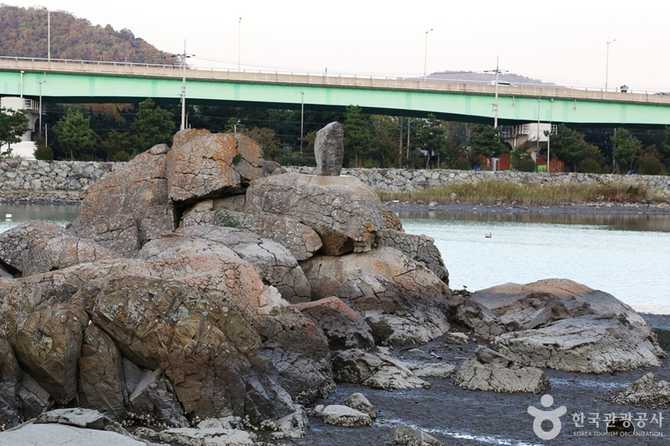
- Yujuam is a rocky islet 70 meters southeast of Mangsan-do, designated as a cultural heritage site
- The sites are linked to legendary stories involving ancient Korean royalty and myth
- Both locations are open year-round with free admission and parking available
- Yujuam features the historic Yuju Bi-gak, a wooden pavilion with cultural significance
- Tips & cautions
-
- Visit during good weather to ensure safety and enjoyment
- Respect the natural environment and avoid causing damage to cultural sites
- Wear comfortable shoes and appropriate clothing for walking and outdoor exploration
- Plan your visit with local contact info for guidance and inquiries
- Be cautious of strong winds or rain, especially on rocky islands
- Bottom line
- Exploring Mangsan-do and Yujuam offers a meaningful journey into Korea’s legendary past and scenic natural beauty, making them essential stops for cultural and nature-focused travelers.
Are you ready to explore Korea’s hidden treasures? Mangsan-do and Yujuam are not just scenic spots but also cultural landmarks that reveal Korea’s rich history and legendary stories. Located in Busan’s Gangseo District, these islands are accessible year-round and provide a peaceful retreat into Korea’s ancient past and natural landscapes.
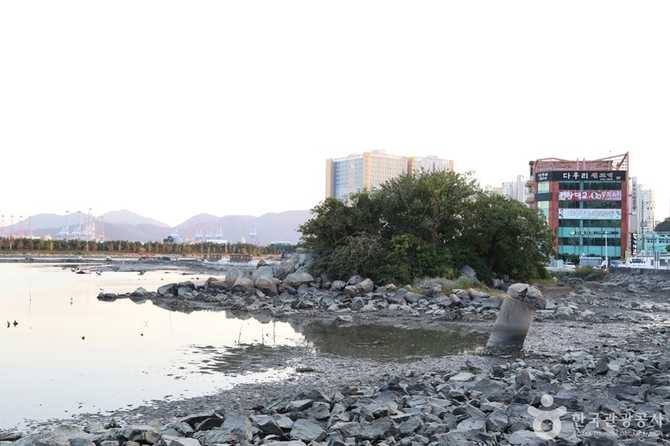
Whether you’re a history enthusiast, a nature lover, or a curious traveler seeking authentic Korean legends, these islands offer a unique experience. From the legendary tales of royal figures to the stunning natural formations, a visit to Mangsan-do and Yujuam will enrich your understanding of Korea’s cultural tapestry.
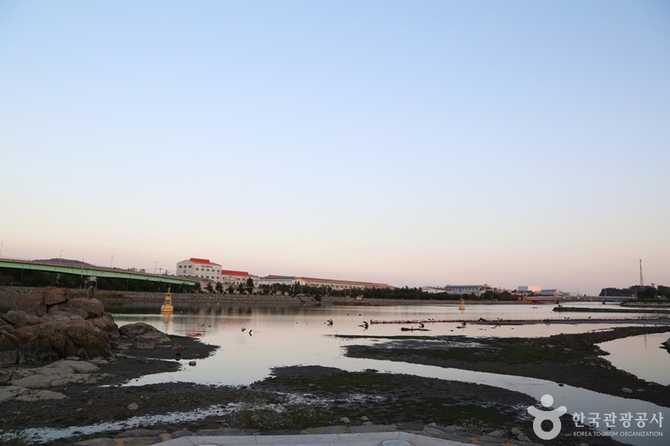
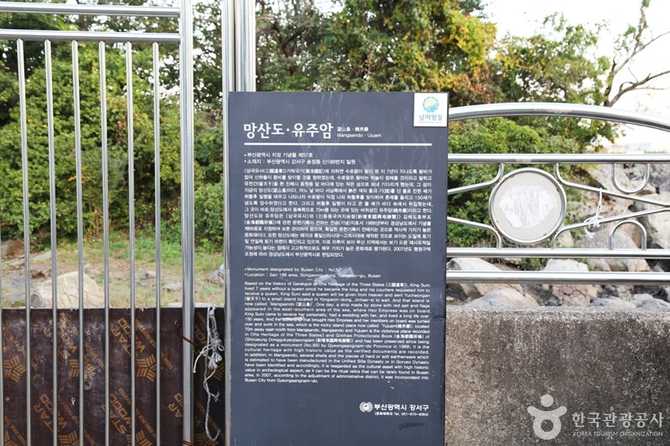
In the sections ahead, you will find detailed guides on their locations, historical significance, legends, visitor information, and helpful tips to ensure a safe and memorable journey. Prepare to immerse yourself in Korea’s fascinating history and breathtaking scenery at Mangsan-do and Yujuam.
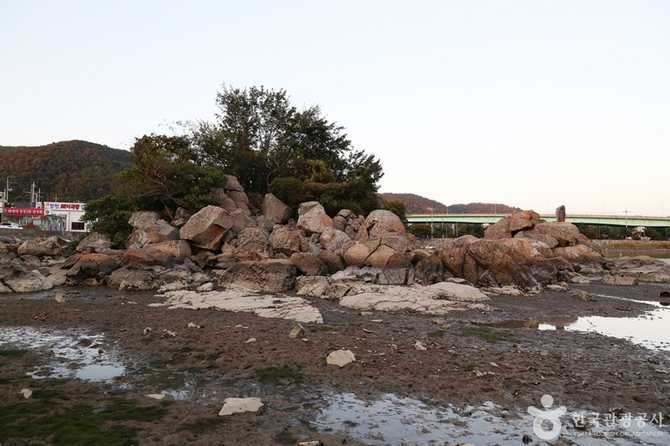
Overview of Mangsan-do and Yujuam
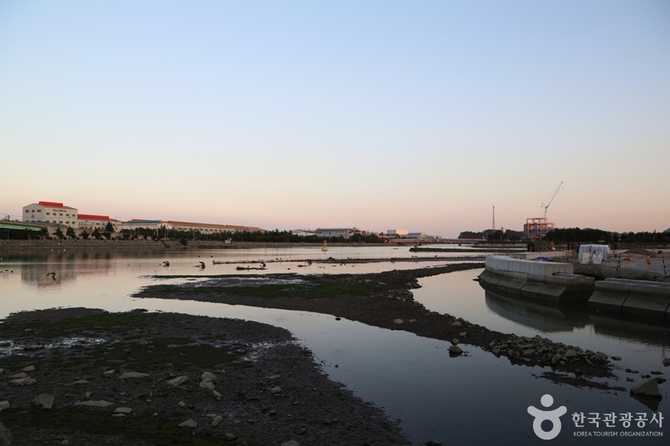
Mangsan-do and Yujuam are two historically significant islands located off the coast of Busan’s Gangseo District, Korea. These islands are renowned for their deep-rooted legends, cultural heritage, and scenic natural beauty, making them a must-visit destination for travelers interested in Korea’s rich history and natural landscapes. Mangsan-do, a small island situated in front of Yongwon-dong, offers visitors a glimpse into local legends and traditional stories intertwined with its natural environment. It is accessible by boat and is known for its tranquil atmosphere, perfect for those seeking a peaceful retreat into Korea’s maritime history.
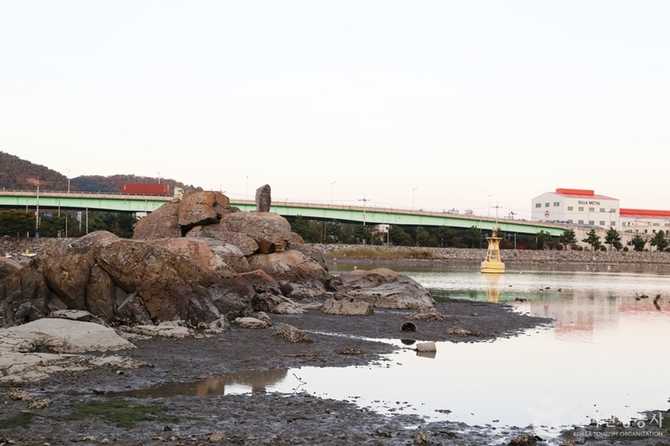
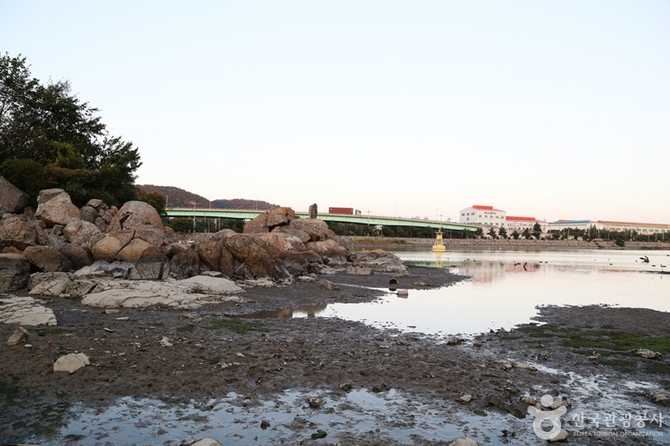
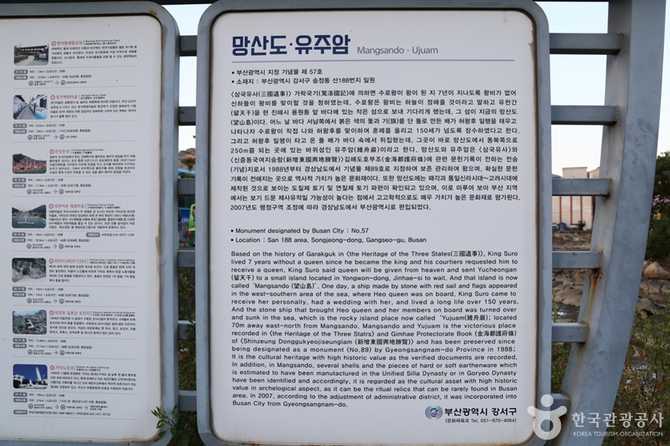
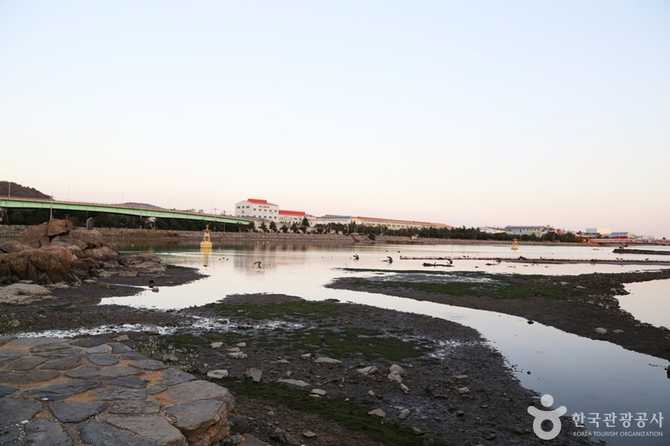
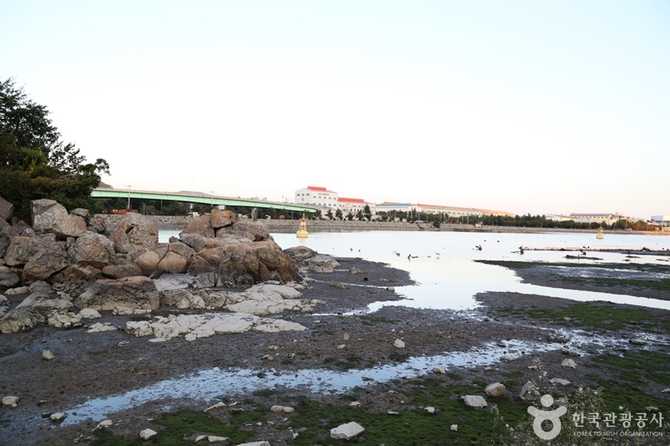
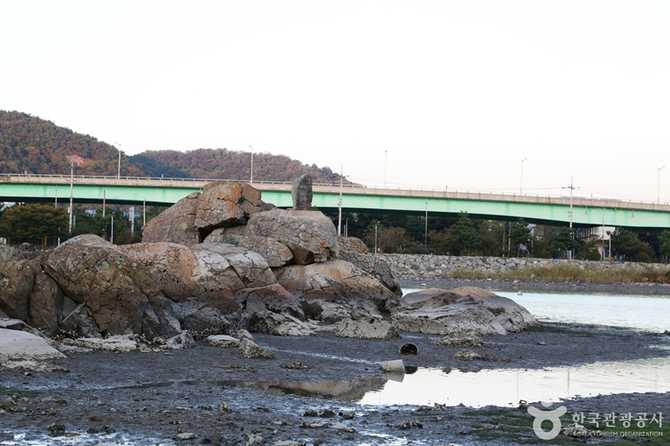
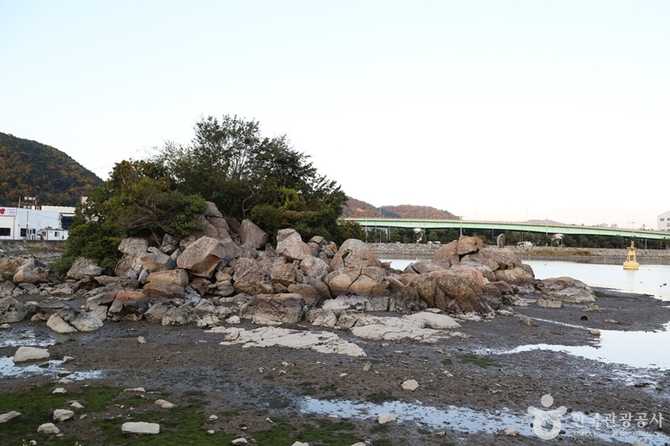
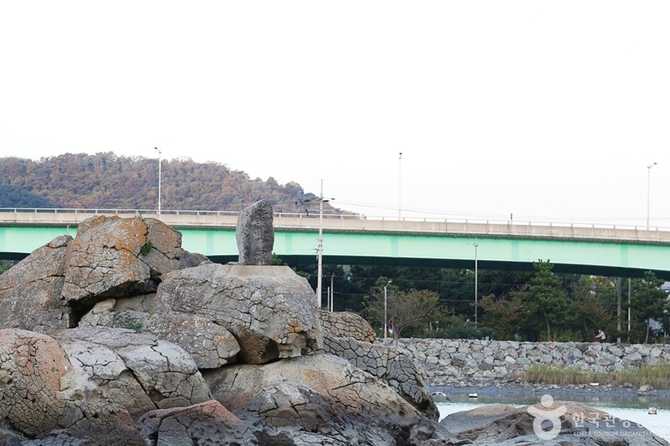
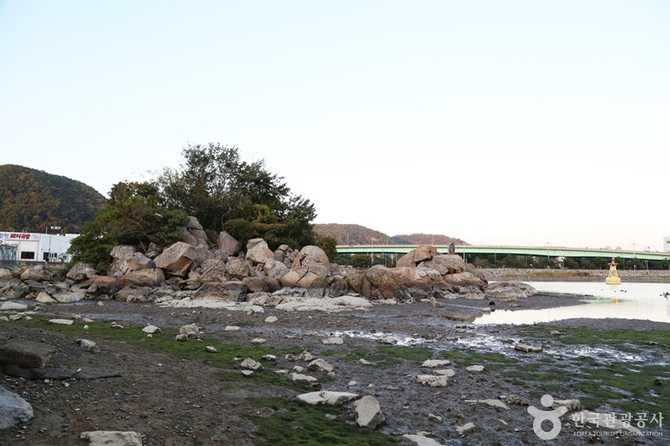
Yujuam, located approximately 70 meters southeast of Mangsan-do, is a rocky islet that holds significant cultural value. It is famous for the Yuju Bi-gak, a wooden pavilion designated as a cultural heritage site in 1988 by Gyeongsangnam-do. The legend associated with Yujuam involves the story of Queen Heo-tae-hu, a Gaya-era royal consort, who is said to have descended from a boat and interacted with the local king, Suro Wang. This myth reflects the island’s importance in Korea’s ancient royal narratives and local folklore. Visitors to Yujuam can explore the natural rock formations, enjoy panoramic views of the sea, and visit the historic Yuju Bi-gak, which offers insights into Korea’s legendary past.
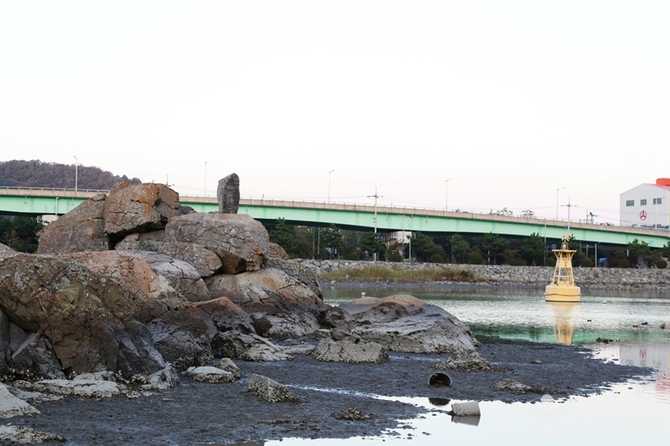
Both islands are easily accessible, open all year round, and free to visit, making them popular among locals and tourists alike. Their proximity and historical connections provide a unique opportunity to experience Korea’s legendary stories firsthand while enjoying scenic coastal landscapes. Whether you are a history enthusiast, a nature lover, or someone seeking cultural enrichment, Mangsan-do and Yujuam offer an enriching experience that combines Korea’s maritime history with its vibrant legends and natural beauty.
Comparison of Mangsan-do and Yujuam
| Feature | Mangsan-do | Yujuam |
|---|---|---|
| Location | Off the coast of Yongwon-dong, Busan | 70 meters southeast of Mangsan-do |
| Size & Shape | Small, flat island with natural coastal features | Rocky islet with prominent rock formations |
| Cultural Significance | Part of local legends, scenic spot for reflection | Home to Yuju Bi-gak, related to Gaya royal legend |
| Historical Connection | Associated with regional maritime stories | Legend of Queen Heo-tae-hu and Suro Wang |
| Accessibility | Accessible by boat, open year-round | Accessible by boat, open year-round |
| Main Attractions | Natural scenery, local legends | Yuju Bi-gak, rock formations, legends |
Both Mangsan-do and Yujuam are integral parts of Korea’s coastal cultural landscape, each offering unique insights into local legends and natural beauty. While Mangsan-do provides a tranquil island experience with scenic views and storytelling, Yujuam stands out for its historical monument and mythological significance related to Korea’s ancient royal history.
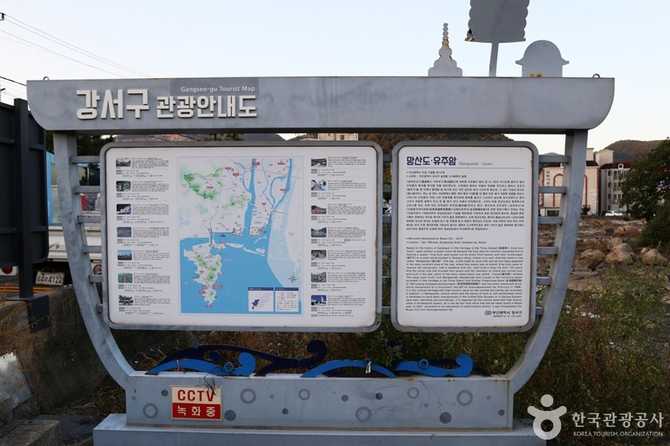
Visitor Checklist for Mangsan-do and Yujuam
- Check the weather forecast before planning your visit to avoid storms or heavy rain, which can make the islands unsafe.
- Wear comfortable walking shoes suitable for rocky and uneven terrain.
- Bring sun protection such as hats, sunglasses, and sunscreen, especially during summer months.
- Carry sufficient water and snacks, as facilities on the islands are limited.
- Respect the natural environment by avoiding littering and staying on designated paths.
- Visit the Yuju Bi-gak and other cultural sites with a respectful attitude to preserve their historical value.
- Be cautious of strong winds or waves, particularly on Yujuam, which is exposed to open sea breezes.
- Use the contact information of Busan Gangseo District Office or the Cultural Heritage Administration for inquiries or assistance.
Visitor Information and Access to Mangsan-do and Yujuam
| Aspect | Details |
|---|---|
| Location | Busan Metropolitan City, Gangseo District, Songjeong-dong |
| Access Method | By boat from Yongwon-dong port or nearby points |
| Opening Hours | Open year-round, 24 hours |
| Admission Fee | Free |
| Parking | Available at designated areas in Songjeong-dong |
| Contact | Busan Gangseo District Office, Cultural Affairs Division, 051-970-4065 Heritage Administration Website |
Important Tips and Precautions for Visiting Mangsan-do and Yujuam
- Check the weather forecast before your trip to avoid dangerous conditions caused by storms, heavy rain, or strong winds.
- Wear sturdy, comfortable shoes suitable for walking on rocky and uneven surfaces.
- Bring sun protection items such as hats, sunglasses, and sunscreen, especially during summer months.
- Carry sufficient drinking water and snacks, as amenities on the islands are limited or unavailable.
- Respect the natural environment by avoiding littering and sticking to designated paths to help preserve the site.
- Approach cultural heritage sites like Yuju Bi-gak with respect, avoiding any damage or disturbance.
- Be cautious of strong sea breezes and waves, particularly on Yujuam, which is exposed to open sea conditions.
- For assistance or inquiries, contact the local district office or the Cultural Heritage Administration using the provided contact details.
- Plan your visit during daytime hours for better safety and visibility.
Frequently Asked Questions (FAQ)
Q1 Where are Mangsan-do and Yujuam located in Busan?
An: Mangsan-do is a small island situated off the coast of Yongwon-dong in Busan’s Gangseo District. Yujuam is a rocky islet located approximately 70 meters southeast of Mangsan-do, both accessible by boat and known for their cultural and natural significance.
Q2 What is the historical significance of Yuju Bi-gak on Yujuam?
An: Yuju Bi-gak is a wooden pavilion designated as a cultural heritage site in 1988 by Gyeongsangnam-do. It is linked to legends of Queen Heo-tae-hu from the Gaya era and represents Korea’s ancient royal history and local folklore.
Q3 Are Mangsan-do and Yujuam open to visitors year-round?
An: Yes, both islands are open year-round, 24 hours a day, and free to visit. They are accessible by boat from nearby ports, making them convenient destinations for tourists and locals alike.
Q4 What legends are associated with Mangsan-do and Yujuam?
An: The legends tell of Queen Heo-tae-hu descending from a boat and meeting King Suro Wang on Yujuam, with stories suggesting the island was formed from a sunken ship or that the queen waited on the island. These stories are part of Korea’s regional folklore.
Q5 What should I keep in mind when visiting Mangsan-do and Yujuam?
An: Visitors should check weather conditions before visiting, wear suitable footwear for rocky terrain, and respect the natural environment and cultural sites. Avoid causing damage and be cautious of strong winds or waves, especially on Yujuam.
Q6 Is there an entrance fee for Mangsan-do and Yujuam?
An: No, both Mangsan-do and Yujuam are free to access. Visitors can enjoy the scenic views, legends, and cultural heritage sites without any admission charges.
Final Thoughts on Exploring Mangsan-do and Yujuam
Visiting Mangsan-do and Yujuam offers a unique opportunity to immerse yourself in Korea’s rich cultural history and stunning natural scenery. These islands are more than just scenic spots; they are living symbols of Korea’s legendary past and maritime heritage. Whether you are captivated by the ancient stories associated with the sites or drawn to their breathtaking coastal landscapes, exploring these islands will deepen your appreciation for Korea’s cultural tapestry. Remember to plan your visit carefully, respecting the natural environment and cultural significance of these locations. With their free admission and year-round accessibility, Mangsan-do and Yujuam are perfect for a meaningful day trip or a peaceful retreat into Korea’s historical and natural beauty. Make sure to check the weather forecast, wear appropriate attire, and bring essentials like water and sun protection to ensure a safe and enjoyable experience. A trip to these historic islands promises memorable moments and a deeper understanding of Korea’s legendary stories and scenic coastal charm, making your travel experience truly enriching.