
출처 : ⓒ한국관광콘텐츠랩 또는 ⓒ한국관광공사
Authentic Dongnae Pajeon: Traditional Seafood Pancake Experience in Busan
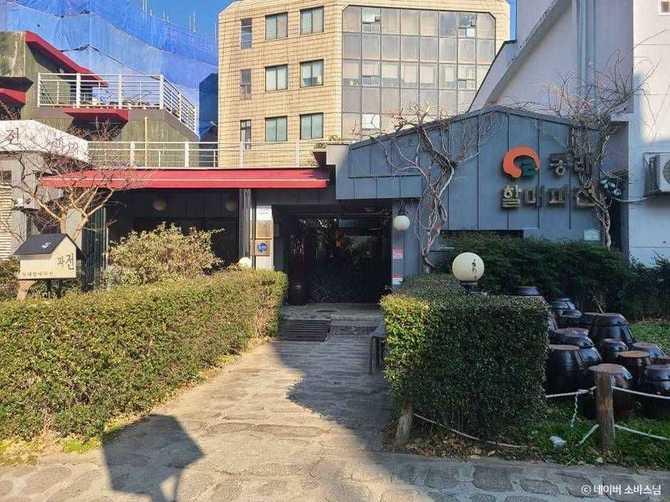
Location 부산광역시 동래구 명륜로94번길 43-10
Location 부산광역시 동래구 명륜로94번길 43-10
Discover the rich flavors and cultural heritage of Dongnae Pajeon, a beloved Korean seafood pancake that has captured the hearts of locals and travelers alike. If you’re seeking an authentic taste of Busan’s culinary traditions, this guide will introduce you to the best spots to enjoy Dongnae Pajeon, its unique preparation methods, and essential tips for a memorable dining experience.
Dongnae Pajeon, renowned for its thick texture and abundant seafood fillings, is a signature dish in Busan’s Dongnae district. Made using traditional techniques, this savory pancake is cooked in a distinctive cast-iron wok that enhances its flavor and presentation. Paired with spicy and tangy dipping sauces, it offers a delightful harmony of textures and tastes that reflect Korea’s rich culinary culture.
At a glance
- Who this is for
-
- Travelers exploring Busan’s local cuisine
- Food enthusiasts seeking authentic Korean dishes
- Visitors interested in traditional Korean cooking methods
- Anyone craving hearty seafood pancakes in a cultural setting
- Key takeaways
-
- Dongnae Pajeon features thick, flavorful seafood-filled pancakes
- Prepared using traditional cast-iron wok cooking techniques
- Served with spicy gochujang-based dipping sauce
- Located in the heart of Busan’s Dongnae district
- Open from 11:30 AM to 9:30 PM, closed on Mondays
- Tips & cautions
-
- Check operating hours before visiting, especially on holidays
- Arrive early to enjoy freshly cooked pancakes
- Reservations recommended during peak hours
- Parking may be limited; plan accordingly
- Bottom line
- Experience the authentic taste of traditional Dongnae Pajeon at a renowned local restaurant in Busan, rich in history and flavor.
Welcome to our guide on Dongnae Pajeon, a traditional Korean seafood pancake that embodies the culinary heritage of Busan’s Dongnae district. If you’re a traveler eager to indulge in authentic local flavors, this dish offers a hearty, flavorful experience that combines fresh seafood, crispy batter, and cultural tradition. Made with a time-honored recipe, Dongnae Pajeon is more than just a dish—it’s a cultural experience that connects you to Korea’s rich history of regional cuisine.
In this guide, we will explore the unique characteristics of Dongnae Pajeon, its traditional preparation methods, and the best places to enjoy this delicacy in Busan. Whether you’re a foodie looking to try something new or a cultural enthusiast eager to learn about Korea’s culinary traditions, visiting a Dongnae Pajeon restaurant promises a memorable taste journey. We will also provide practical tips for visiting, including operating hours, reservation advice, and how to fully enjoy your meal.
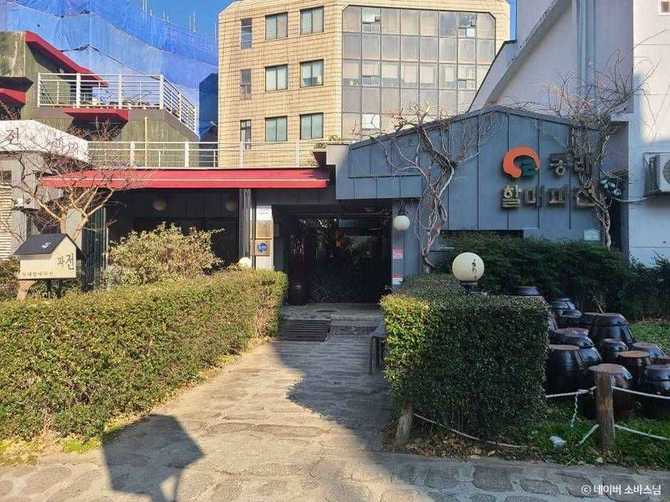
From the thick, seafood-packed pancakes cooked in traditional cast-iron pans to the vibrant local atmosphere, Dongnae Pajeon encapsulates the essence of Busan’s regional cuisine. As you explore the flavors, you’ll also gain insight into Korea’s culinary history and regional specialties. So, prepare your palate for a savory adventure, and let us guide you through everything you need to know to enjoy an authentic Dongnae Pajeon experience during your trip to Busan.
Dongnae Pajeon: Characteristics and Traditional Preparation
Dongnae Pajeon is a renowned Korean seafood pancake that exemplifies the rich culinary heritage of Busan’s Dongnae district. Known for its thick, hearty texture and abundant seafood fillings, this dish stands out among other Korean pancakes for its unique preparation method and cultural significance. The focus keyword, Dongnae Pajeon, captures the essence of this traditional dish that has been passed down through generations.
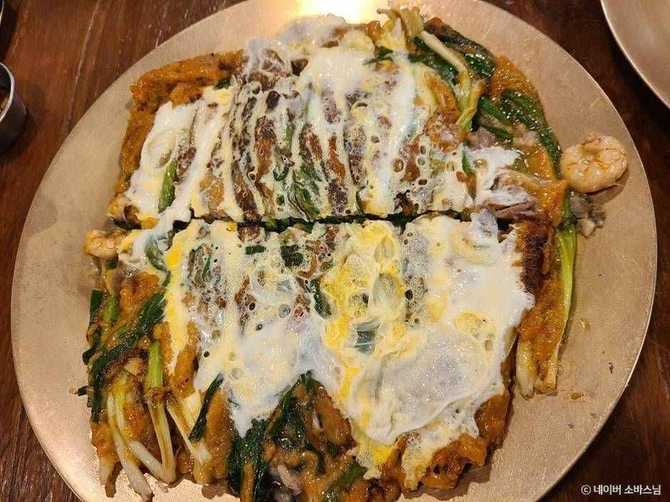
Unlike typical thin and crispy Korean pancakes, Dongnae Pajeon is characterized by its substantial, chewy bite and generous portions of fresh seafood such as shrimp, squid, and clams. Its distinctive taste is achieved through a meticulous traditional cooking process, where the batter is made from a blend of rice flour, wheat flour, and a secret mix of seasonings, then combined with finely chopped vegetables and seafood. The mixture is poured into a preheated, large cast-iron wok shaped like a traditional Korean ‘sotttuk’ (copper lid), which helps create a crispy exterior while maintaining a moist, flavorful interior.
The dish is typically served with a side of spicy, tangy gochujang-based dipping sauce, which enhances the savory flavors of the pancake. The use of a traditional cast-iron wok not only adds to the authenticity but also ensures even heat distribution, resulting in a perfectly cooked Dongnae Pajeon. This method has been preserved for centuries, reflecting the regional culinary culture and local cooking techniques.
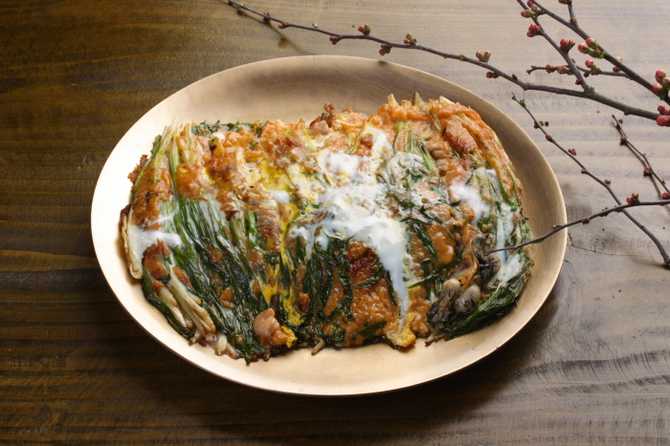
Eating Dongnae Pajeon is more than just a culinary experience; it’s a cultural journey into Korea’s regional traditions. The dish’s thick, seafood-rich profile makes it a popular choice among locals and tourists seeking authentic Korean flavors. Whether enjoyed as a casual meal or part of a cultural exploration, Dongnae Pajeon embodies the heart of Busan’s culinary identity and offers a taste that is both hearty and deeply rooted in tradition.
Comparison of Dongnae Pajeon with Other Korean Pancakes
| Feature | Dongnae Pajeon | Regular Korean Pajeon |
|---|---|---|
| Main Ingredients | Seafood (shrimp, squid, clams), vegetables, rice and wheat flour | Vegetables (green onions, kimchi, etc.), wheat flour |
| Texture | Thick, hearty, chewy | Thin, crispy, delicate |
| Cooking Method | Cooked in a traditional cast-iron wok shaped like a lid | Pan-fried on a flat skillet |
| Flavor Profile | Rich, savory, seafood-forward | Milder, vegetable-centric |
| Serving Style | Served with spicy gochujang sauce, often thick and hearty | Usually served plain or with soy sauce, lighter |
Overall, Dongnae Pajeon offers a more substantial, seafood-rich experience compared to the more delicate and vegetable-focused regular Korean pajeon. Its traditional cooking method and thick texture make it a distinctive regional specialty that highlights Korea’s diverse culinary landscape.
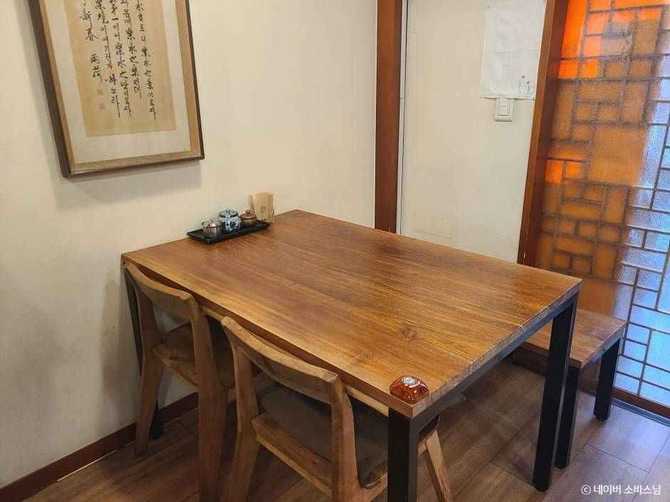
Recommended Steps to Enjoy Dongnae Pajeon
- Step 1: Order the freshly made Dongnae Pajeon and wait for it to arrive hot and crispy.
- Step 2: Dip a piece into the spicy gochujang sauce to enhance the savory seafood flavors.
- Step 3: Savor the rich, chewy texture and abundant seafood fillings with each bite.
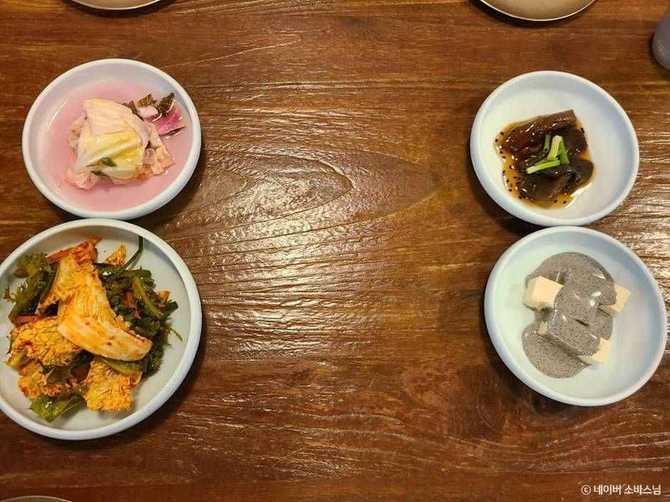
- Step 4: Enjoy the accompanying side dishes, such as kimchi or pickled vegetables, to complement the flavors.
Tips for Visiting and Best Practices for Enjoying Dongnae Pajeon
| Tip / Practice | Details |
|---|---|
| Check Operating Hours | Ensure to verify the restaurant’s hours before your visit, especially during holidays or special occasions, to avoid disappointment. |
| Visit During Off-Peak Hours | Arriving slightly earlier or later than peak times can help you enjoy freshly cooked Dongnae Pajeon with less crowd and better service. |
| Reservation Recommended | During busy hours, making a reservation by phone can secure your table and reduce wait times, especially on weekends or holidays. |
| Arrive Early for Freshness | Dongnae Pajeon tastes best when enjoyed immediately after cooking, so plan to arrive early or request your dish promptly after ordering. |
| Parking and Transportation | Parking may be limited, so consider using public transportation or arrive early to secure a spot nearby. |
Checklist for Enjoying Dongnae Pajeon
- Confirm operating hours and holiday schedule before your visit.
- Make a reservation if visiting during peak hours or busy days.
- Arrive early or during off-peak times for the freshest experience.
- Check parking options or plan your public transportation route.
- Order the Dongnae Pajeon hot and crispy for optimal flavor and texture.
- Dip the pancake into spicy gochujang sauce to enhance the savory seafood taste.
- Enjoy the rich fillings and accompanying side dishes like kimchi or pickled vegetables.
- Consume the dish promptly after serving to enjoy its crispy texture and fresh aroma.
Frequently Asked Questions (FAQ)
Q1: What makes Dongnae Pajeon unique compared to other Korean pancakes?
Dongnae Pajeon is distinguished by its thick, hearty texture and abundant seafood fillings, prepared using traditional cast-iron wok cooking methods. It features a rich, savory flavor profile that highlights fresh seafood, setting it apart from lighter, vegetable-based pancakes.
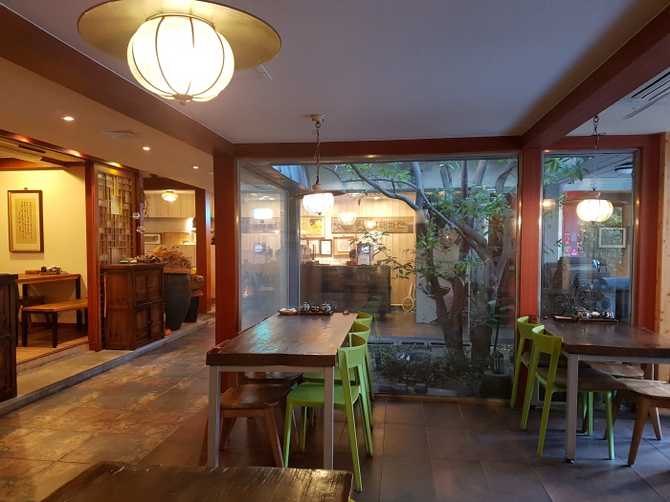
Q2: What are the typical ingredients used in Dongnae Pajeon?
The main ingredients include a mixture of rice flour and wheat flour, fresh seafood such as shrimp, squid, and clams, along with chopped vegetables like green onions and other seasonings. It is served with spicy gochujang-based dipping sauce.
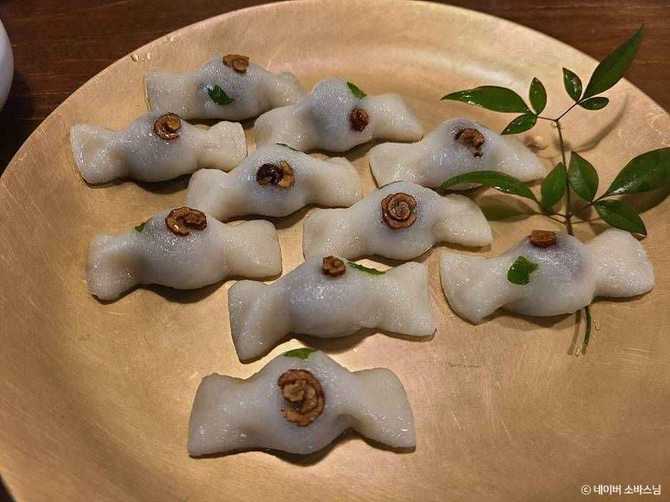
Q3: What are the restaurant’s operating hours and closed days?
The restaurant operates from 11:30 AM to 9:30 PM, with preparation hours from 3:00 PM to 5:00 PM. It is closed every Monday for regular holidays.
Q4: Is reservation recommended for dining at Dongnae Pajeon restaurants?
Yes, reservations are recommended during peak hours or busy days to secure a table and avoid long wait times. You can contact the restaurant by phone to reserve in advance.
Q5: How should I best enjoy Dongnae Pajeon?
The best way to enjoy Dongnae Pajeon is to eat it immediately after it is served while it is crispy and hot. Dipping pieces into the spicy gochujang sauce enhances the flavor, and pairing it with side dishes like kimchi adds to the experience.
Q6: Are parking facilities available near the restaurant?
Yes, parking is generally available, but it may be limited during busy hours. It is advisable to arrive early or consider public transportation for convenience.
Conclusion: Experience the Authenticity of Dongnae Pajeon in Busan
Visiting Busan offers a wonderful opportunity to indulge in the rich culinary traditions of Korea, and experiencing Dongnae Pajeon is a must for anyone seeking an authentic taste of local flavors. This traditional seafood pancake, crafted with centuries-old techniques, embodies the regional culture and culinary artistry of Busan’s Dongnae district. Its thick, hearty texture filled with fresh seafood and vegetables provides a satisfying and memorable dining experience. Whether you are a foodie eager to explore Korea’s regional specialties or a traveler wanting to immerse yourself in local customs, enjoying Dongnae Pajeon will undoubtedly enrich your trip. Remember to visit during operating hours, make reservations if possible, and enjoy the dish immediately after it’s served for the best flavor and texture. The combination of traditional cooking methods, vibrant flavors, and cultural significance makes Dongnae Pajeon a highlight of Busan’s culinary scene. Don’t miss the chance to savor this iconic dish and create unforgettable memories during your visit to Korea. Whether you’re exploring local markets or dining at renowned restaurants, experiencing Dongnae Pajeon will leave you with a deeper appreciation of Korea’s culinary heritage and regional pride.