
출처 : ⓒ한국관광콘텐츠랩 또는 ⓒ한국관광공사
Experience Traditional Culture at Gwangheungdang in Mapo-gu, Seoul
Location 서울특별시 마포구 독막로21길 15
Location 서울특별시 마포구 독막로21길 15
Discover how Gwangheungdang offers an immersive experience into Korea’s rich cultural heritage, blending traditional activities with community engagement in the heart of Seoul’s Mapo-gu district.
At a glance
- Who this is for
-
- Visitors interested in Korean traditional culture
- Students and adults eager to learn about local history
- Families seeking cultural experiences with children
- Local residents and tourists exploring Mapo-gu
- Key takeaways
-
- Located on Dokmak-ro in Mapo-gu, Seoul
- Offers traditional cultural events and educational programs
- Hosts seasonal festivals like Jeongwol Daeboreum and Seonyer’s Day
- Free admission with optional paid workshops and performances
- Operates daily from 09:00 to 18:00, closed on weekends
- Tips & cautions
-
- Check the schedule and reserve in advance for certain programs
- Visit the official website for event updates
- Arrive early for popular activities
- Wear comfortable clothing suitable for outdoor activities
- Bottom line
- Gwangheungdang is a cultural hub that beautifully combines traditional Korean heritage with community participation in Seoul.
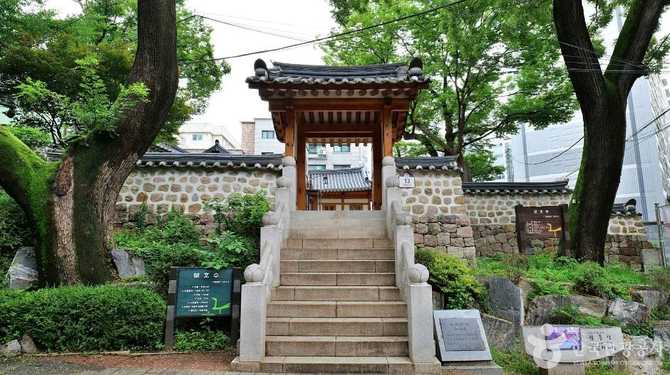
Gwangheungdang, situated in the scenic area of Mapo-gu, Seoul, is a unique cultural space dedicated to preserving and promoting Korea’s traditional heritage. As a prominent venue for cultural exchange, it provides visitors with opportunities to participate in traditional ceremonies, folk games, and performances, all within a beautifully preserved Hanok setting. Whether you’re a traveler eager to experience authentic Korean customs or a local resident looking to reconnect with regional traditions, Gwangheungdang offers a meaningful and engaging experience.
This cultural center is not only a place for passive observation but also encourages active participation through various programs and events. From seasonal festivals like Jeongwol Daeboreum (the first full moon festival) to traditional music and dance performances, Gwangheungdang embodies the spirit of Korean cultural preservation. Its location on Dokmak-ro makes it accessible and integrated into the community, fostering a sense of shared heritage among residents and visitors alike. Planning a visit here allows you to deepen your understanding of Korea’s history and cultural identity, making it a must-visit destination for anyone interested in Korean traditions.
Introduction to Gwangheungdang and Location
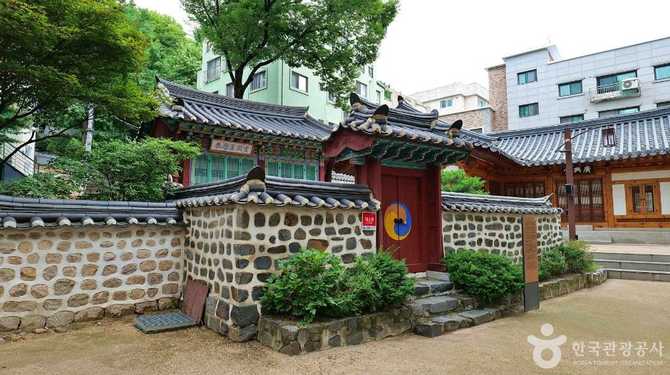
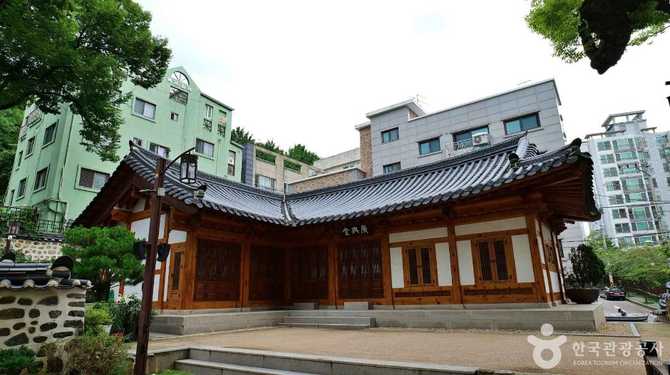
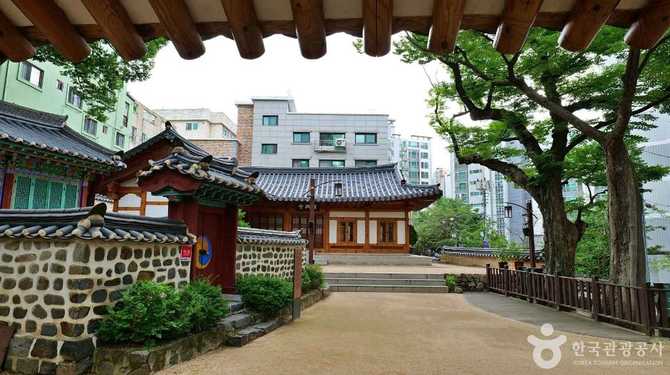
Gwangheungdang is a prominent cultural space located in the vibrant district of Mapo-gu, Seoul. As a center dedicated to preserving and promoting Korea’s traditional heritage, Gwangheungdang offers visitors an immersive experience into the country’s rich cultural history. This unique venue is situated on Dokmak-ro, nestled near the scenic Wau Mountain area, providing a harmonious blend of nature and traditional architecture. The space is designed to facilitate cultural exchange and community engagement, making it an ideal destination for both locals and tourists interested in Korean customs and traditions.
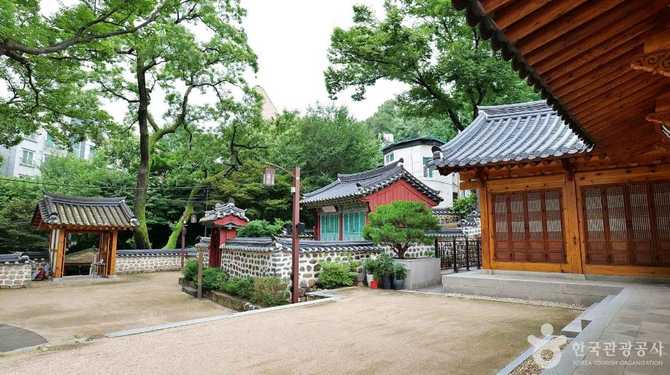
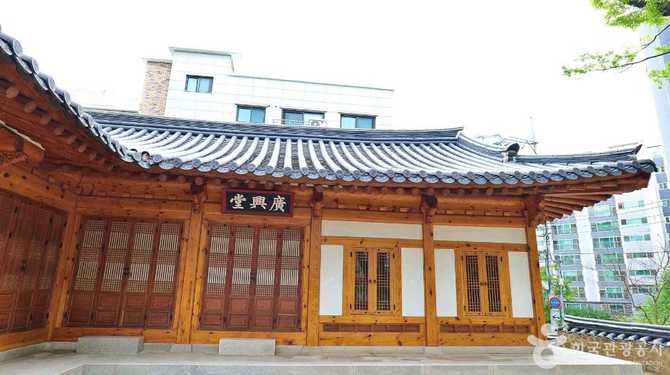
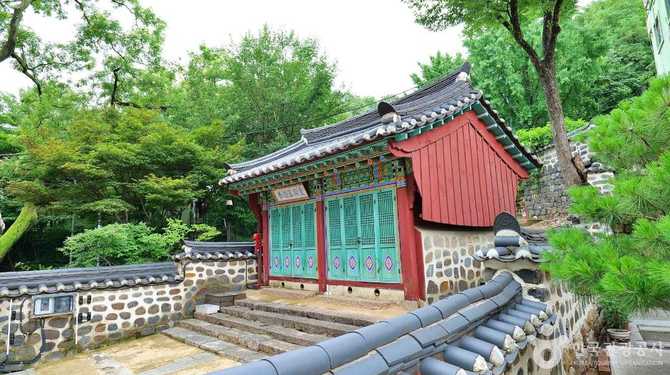
The core focus of Gwangheungdang is to serve as a hub where traditional Korean culture can be experienced firsthand. The venue features a beautifully preserved Hanok (traditional Korean house) setting, which creates an authentic atmosphere for various cultural activities. Visitors can participate in traditional ceremonies, folk games, and performances, or simply enjoy the serene environment that fosters cultural appreciation and learning. The location’s accessibility in Mapo-gu makes it easy for visitors to incorporate a cultural experience into their sightseeing itinerary while exploring Seoul’s diverse neighborhoods.
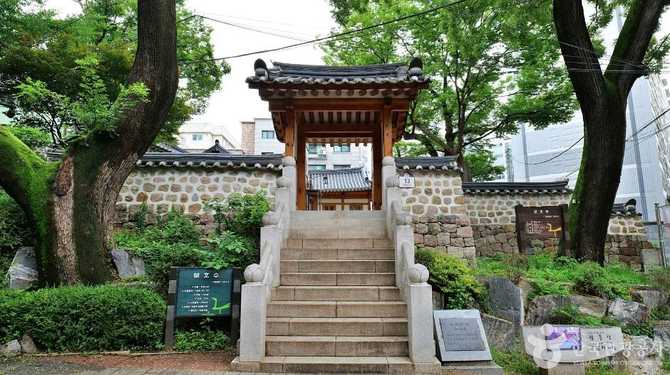
Gwangheungdang’s strategic placement and focus on cultural preservation make it a vital part of Seoul’s cultural landscape. It serves as a bridge connecting the past with the present, allowing visitors to deepen their understanding of Korea’s history and traditional arts. Whether you are a history enthusiast, a student, or a family looking for educational activities, Gwangheungdang provides a meaningful and enriching experience that highlights the beauty and significance of Korea’s cultural legacy.
Comparison of Main Events and Programs at Gwangheungdang
| Event/Program | Details | Notes |
|---|---|---|
| Jeongwol Daeboreum Festival | Traditional lunar New Year celebration with folk games, fire rituals, and moon viewing | Held annually in the first lunar month |
| Seonyer’s Day (Coming of Age Ceremony) | Traditional rite of passage for young adults, including ceremonial dress and performances | Held once a year, usually in late spring |
| Korean Traditional Music Performances | Performances of gugak (traditional Korean music), including samul nori and pansori | Scheduled seasonally or during special events |
| Cultural Workshops | Hands-on activities like traditional craft making, calligraphy, and mask painting | Some require prior reservation and may have an additional fee |
| Seasonal Festivals | Includes events like Chuseok celebrations and harvest festivals | Dates vary annually |
Visitor Information & How to Visit Gwangheungdang
- Operating Hours: Open daily from 09:00 to 18:00. Closed on Saturdays and Sundays.
- Admission Fee: Free for all visitors. However, some workshops and performances may require prior reservation or additional charges.
- Location: 15 Dokmak-ro 21-gil, Mapo-gu, Seoul. Accessible via public transportation, including subway and bus routes.
- Contact: Call 02-322-4450 for inquiries or to confirm event schedules.
- Website: http://www.mapocc.or.kr
The Value of Traditional Cultural Experiences at Gwangheungdang
Participating in traditional cultural experiences at Gwangheungdang offers more than just entertainment; it provides a meaningful connection to Korea’s rich heritage. These activities serve as a bridge between the past and present, allowing visitors to gain a deeper understanding of Korea’s customs, arts, and community spirit. Engaging in traditional rites, folk games, and performances fosters cultural appreciation and helps preserve Korea’s unique identity for future generations.
Through hands-on participation, visitors can experience the tactile and emotional aspects of Korean traditions. For example, taking part in traditional craft workshops or learning folk dances not only enriches personal cultural knowledge but also strengthens community bonds. Such experiences also promote intercultural understanding, making Gwangheungdang an ideal place for cultural exchange and education. Ultimately, these activities help sustain Korea’s intangible cultural heritage, ensuring its vitality and relevance in modern society.
- Verify the schedule of events and programs on the official website or by contacting the center.
- Check if any workshops or performances require prior reservation, and make arrangements accordingly.
- Plan to arrive early, especially during peak times or popular activities.
- Wear comfortable clothing suitable for outdoor participation and traditional activities.
- Prepare questions or topics if you wish to engage in cultural exchanges or guided tours.
- Some programs and workshops may have limited capacity and require early booking.
- Check the operating hours and days of closure before planning your visit.
- Ensure to follow any safety guidelines provided during participatory activities.
- Respect the cultural heritage and local customs during your visit.
Whether you visit during the day or evening, Experience Traditional Culture at Gwangh is a meaningful stop on any Seoul itinerary for history-minded travelers.
Frequently Asked Questions (FAQ)
Q1: What traditional cultural events are held regularly at Gwangheungdang?
Gwangheungdang hosts seasonal festivals such as Jeongwol Daeboreum with folk games and moon viewing, as well as Seonyer’s Day, a coming-of-age ceremony. It also features traditional music performances, cultural workshops, and special celebrations during major Korean holidays.
Q2: Is there an entrance fee to visit Gwangheungdang?
No, Gwangheungdang offers free admission to all visitors. However, some workshops, performances, or special programs may require prior reservation or additional charges.
Q3: Do I need to reserve in advance for participating in programs or workshops?
Yes, certain cultural workshops and performances at Gwangheungdang require prior reservation. It is recommended to check the official website or contact the center beforehand to confirm availability and reserve your spot.
Q4: What are the operating hours and closed days of Gwangheungdang?
Gwangheungdang is open daily from 09:00 to 18:00. It is closed on Saturdays and Sundays, so plan your visit accordingly.
Q5: When are traditional music performances typically held at Gwangheungdang?
Traditional music performances, such as gugak (Korean classical music), are scheduled seasonally or during special events. It is advisable to check the official website for specific dates and times before your visit.
Q6: How can I get to Gwangheungdang and whom should I contact for more information?
Gwangheungdang is located at 15 Dokmak-ro 21-gil, Mapo-gu, Seoul, accessible via subway and bus routes. For inquiries, call 02-322-4450 or visit their official website at http://www.mapocc.or.kr.
Discover the Cultural Richness of Gwangheungdang in Mapo-gu, Seoul
Visiting Gwangheungdang in Mapo-gu, Seoul offers a unique opportunity to immerse yourself in Korea’s traditional heritage while engaging with the local community. This cultural space is more than just a historical site; it is a vibrant hub where visitors can actively participate in authentic cultural activities, from folk games to traditional music performances. Whether you are a traveler eager to explore Korea’s rich customs or a local resident seeking meaningful cultural experiences, Gwangheungdang provides an accessible and enriching environment for all.
The center’s commitment to preserving and promoting Korea’s cultural legacy makes it a must-visit destination in Seoul. Its location near Wau Mountain and the scenic surroundings enhances the experience, allowing visitors to enjoy both cultural immersion and natural beauty. Participating in seasonal festivals like Jeongwol Daeboreum or Seonyer’s Day, or simply exploring the traditional Hanok setting, helps deepen your understanding of Korea’s history and community spirit. With free admission and well-organized programs, Gwangheungdang invites everyone to discover the beauty of Korea’s traditional arts and crafts firsthand. Plan your visit ahead, confirm event schedules, and come prepared to enjoy a memorable cultural journey that celebrates Korea’s timeless heritage.