
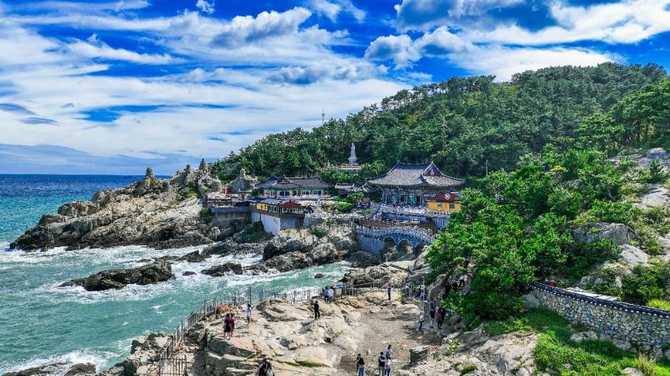
출처 : ⓒ한국관광콘텐츠랩 또는 ⓒ한국관광공사
해동용궁사: A Spiritual Sanctuary in Busan for Visitors and Pilgrims
Location 부산광역시 기장군 기장읍 용궁길 86
Are you seeking a serene temple experience in Korea that combines breathtaking ocean views with deep spiritual significance? 해동용궁사, also known as Haedong Yonggungsa, is one of Korea’s most famous temples, offering visitors a unique opportunity to explore traditional Buddhist architecture while enjoying the scenic seaside setting. Whether you’re a devout practitioner or a curious traveler, this temple provides a tranquil environment for prayer, reflection, and cultural discovery.
Located in Busan, 해동용궁사 is renowned for its harmonious blend of natural beauty and spiritual symbolism. Built in 1376 by the monk Naong Daesa, the temple is one of Korea’s three major Avalokitesvara (Gwan-eum) sacred sites. Its history is rich, having been reconstructed after destruction during the Imjin War and revitalized in the 20th century. The temple’s main hall, the Daeungjeon, along with its caves, statues, and pagodas, offer a profound insight into Korean Buddhist traditions. Visitors often come to pray for good fortune, health, and peace, with many believing that sincere prayers here are answered through visions or dreams.

Today, 해동용궁사 remains a vibrant spiritual hub, welcoming pilgrims and tourists alike. Its coastal location allows visitors to enjoy spectacular sunrise views and the calming sound of waves. The temple complex includes several notable structures such as the Maitreya Hall, the Dragon Pavilion, and the Bell Pavilion, each with its own symbolic significance. The site is also famous for the ‘Wish Tree,’ where visitors tie their hopes and wishes on ribbons. Whether you are interested in religious practices, cultural history, or simply seeking a peaceful retreat by the sea, 해동용궁사 offers an unforgettable experience.
At a glance
- Who this is for
-
- Travelers interested in Korean Buddhist culture
- Spiritual seekers and pilgrims
- Nature lovers seeking scenic seaside temples
- Photographers capturing coastal landscapes
- Key takeaways
-
- Built in 1376 by monk Naong Daesa, one of Korea’s historic temples
- Located in Busan, offering stunning ocean views and spiritual ambiance
- Includes main hall, caves, pagodas, and the famous Wish Tree
- Reconstructed after destruction during the Imjin War and restored in the 20th century
- Open year-round with free admission and ample parking
- Tips & cautions
-
- Visit early morning or late afternoon for the best scenic views
- Wear comfortable shoes as the temple involves some walking and stairs
- Respect religious customs and dress modestly
- Check weather conditions before visiting, especially in rainy seasons
- Bottom line
- 해동용궁사 offers a serene seaside temple experience rich in history and spiritual meaning, perfect for cultural exploration and peaceful reflection.
Introduction to 해동용궁사
해동용궁사, also known as Haedong Yonggungsa, is a renowned seaside Buddhist temple located in Busan, South Korea. As one of Korea’s most iconic spiritual sites, it offers visitors a unique blend of natural beauty and religious tradition. Established in 1376 by the revered monk Naong Daesa, 해동용궁사 has a long-standing history rooted in Korean Buddhism. Its name, meaning ‘Sea East Dragon Palace Temple,’ reflects its stunning coastal setting and the mythological symbolism associated with dragons and the sea. The temple is celebrated for its harmonious integration with the ocean landscape, making it a popular destination for both pilgrims and tourists seeking tranquility and spiritual solace.
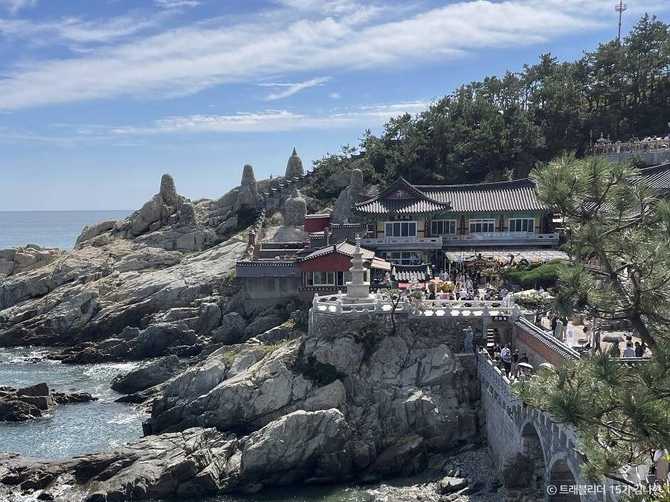
The temple complex features a variety of structures, including the main hall (Daeungjeon), caves, pagodas, and statues of Buddhist deities. The main hall is home to a large Buddha statue and serves as the focal point for prayer and meditation. Visitors often come to pray for good fortune, health, and peace, believing that sincere devotion here can lead to dreams and visions that fulfill their wishes. The site is also famous for its ‘Wish Tree,’ where visitors tie ribbons with their hopes and dreams, creating a colorful display of aspirations. The scenic coastal views, especially during sunrise and sunset, add to the spiritual ambiance, making 해동용궁사 a truly captivating place for reflection and cultural exploration.
Reconstructed after being damaged during the Japanese invasions in the late 16th century, the temple was revitalized in the 20th century, maintaining its historical significance while embracing modern accessibility. Today, 해동용궁사 remains a vibrant religious site, welcoming thousands of visitors annually. Its location on the rugged coastline provides breathtaking views of the East Sea, and the sound of waves enhances the meditative atmosphere. Whether you are a devout Buddhist, a history enthusiast, or a traveler seeking scenic beauty, 해동용궁사 offers an enriching experience that combines spirituality, history, and nature in one extraordinary setting.
Comparison of 해동용궁사 with Other Major Korean Temples
| Feature | 해동용궁사 (Haedong Yonggungsa) | Jogyesa Temple | Haeinsa Temple | Bongeunsa Temple |
|---|---|---|---|---|
| Location | Busan, seaside | Seoul, city center | Gyeongsangnam-do, mountain area | Seoul, Gangnam district |
| Established | 1376 | 1405 | 802 | Prehistoric, rebuilt in modern times |
| Main Attraction | Seaside Buddha statues and ocean views | Lotus lanterns and city views | Ancient Buddhist scriptures and artifacts | Modern Buddhist architecture and meditation halls |
| Unique Features | Coastal setting, ocean sunrise views, seaside caves | Tree-lined streets, vibrant lantern festivals | UNESCO World Heritage site, ancient texts | Night illuminations, modern cultural events |
| Visitor Tips | Best at sunrise, wear comfortable shoes | Visit during lantern festivals, dress modestly | Allocate a full day for exploration | Visit in the evening for night views |
Visiting 해동용궁사: Essential Checklist
- Check the opening hours: 04:30 to 20:30 daily. The temple is open year-round and free to enter.
- Wear appropriate clothing: Modest attire is recommended, especially if participating in prayer rituals.
- Arrive early or late: For the best scenic views and fewer crowds, visit during sunrise or late afternoon.
- Bring essentials: Comfortable shoes for walking, camera for capturing ocean views, and prayer ribbons if you wish to tie your wishes.
- Respect religious customs: Maintain a respectful demeanor, avoid loud noises, and follow local etiquette.
Visiting 해동용궁사: Practical Tips and Important Information
| Tip | Details |
|---|---|
| Operating Hours | Open daily from 04:30 to 20:30. The temple operates year-round without holidays. |
| Admission Fee | Free of charge for all visitors. |
| Best Visiting Times | Early mornings or late afternoons are ideal for scenic views and fewer visitors. |
| What to Wear | Modest clothing is recommended, especially if participating in prayer rituals or ceremonies. |
| What to Bring | Comfortable walking shoes, camera, prayer ribbons or wish tags, and weather-appropriate gear. |
| Respectful Behavior | Maintain a respectful attitude, avoid loud noises, and follow local customs and etiquette. |
Essential Checklist for Visiting 해동용궁사
- Check the opening hours: The temple is open every day from 04:30 to 20:30, allowing flexible visiting times.
- Dress appropriately: Wear modest clothing suitable for a religious site, especially if participating in prayer or ceremonies.
- Plan your visit: Aim to arrive early in the morning or late in the afternoon for the best scenery and fewer crowds.
- Bring essentials: Comfortable shoes for walking, camera for capturing scenic views, prayer ribbons for wishes, and weather-appropriate clothing.
- Respect local customs: Follow etiquette, speak softly, and behave respectfully to honor the spiritual environment.
- Be cautious of terrain: Watch your step on uneven surfaces and stairs, especially if visiting with children or seniors.
- Weather considerations: Check the forecast before your trip, as coastal weather can change rapidly, affecting accessibility and comfort.
- Parking and transportation: Free parking is available on-site; consider public transportation options for convenience.
Frequently Asked Questions (FAQ)
Q1: What is the history of 해동용궁사?

The temple was founded in 1376 by the monk Naong Daesa and is one of Korea’s three major Avalokitesvara (Gwan-eum) sacred sites. It was destroyed during the Imjin War and later rebuilt in the 20th century, maintaining its spiritual significance.
Q2: What are the main attractions at 해동용궁사?
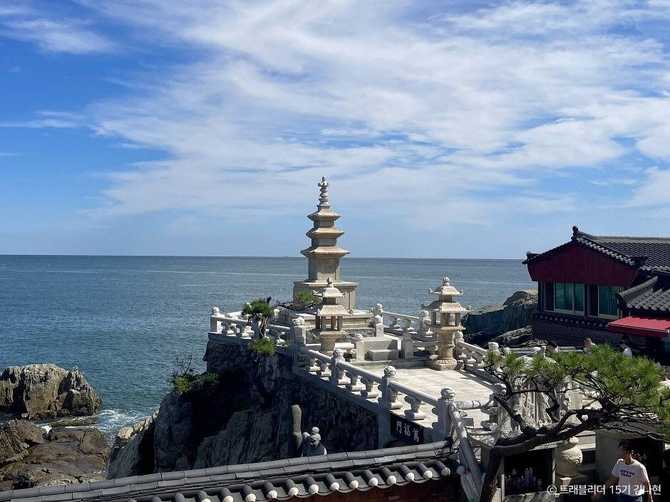
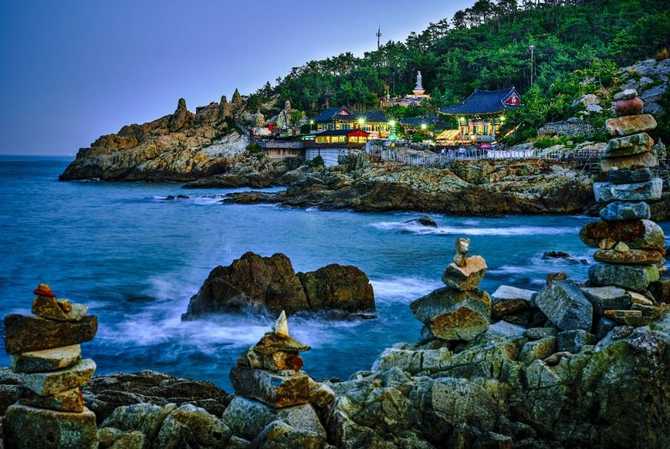
The main attractions include the Daeungjeon (main hall), seaside caves, the Wish Tree, Buddhist statues, and scenic ocean views. The temple’s coastal setting offers stunning sunrise and sunset scenery, ideal for reflection and photography.
Q3: Is 해동용궁사 open to visitors year-round?
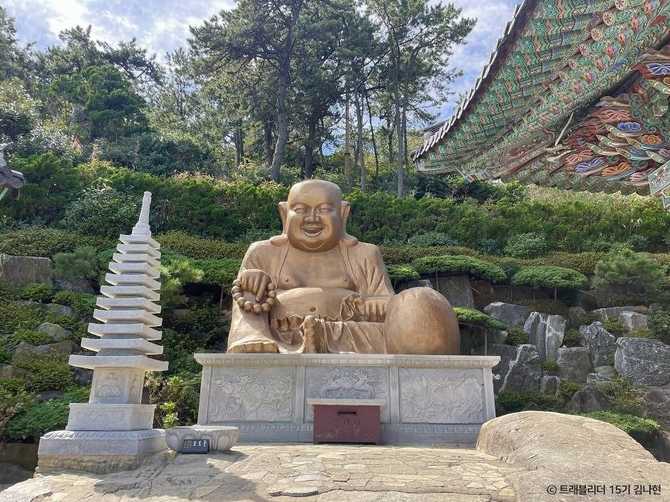
Yes, the temple is open daily from 04:30 to 20:30 throughout the year. Admission is free, and it welcomes both pilgrims and tourists for spiritual and cultural experiences.
Q4: How do I get to 해동용궁사?
The temple is located at 86 Yonggung-gil, Gijang-eup, Busan. It is accessible by car or public transportation, with parking available nearby. Visitors often take local buses or taxis from Busan city center to reach the site.
Q5: Are there any tips for visiting 해동용궁사?
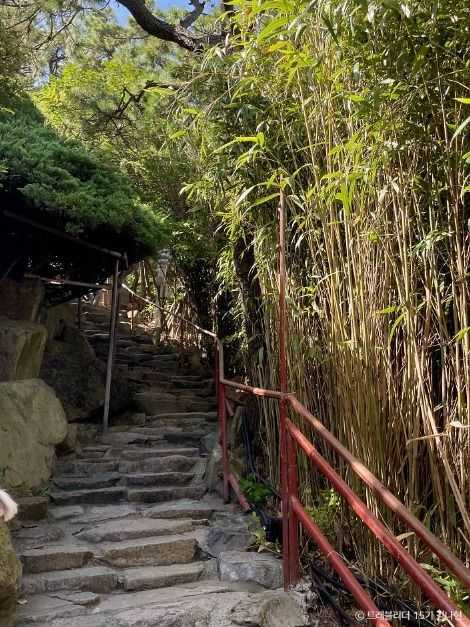
Visit early in the morning or late in the afternoon for the best views and fewer crowds. Wear comfortable shoes as the site involves walking on stairs and uneven surfaces. Respect local customs and dress modestly when participating in prayers.
Q6: Is there an entrance fee for 해동용궁사?
No, entry to the temple is free of charge. Visitors can freely explore the main hall, caves, pagodas, and scenic spots without any admission fee.
Closing Remarks on 해동용궁사
Visiting 해동용궁사 offers a truly unique experience that combines Korea’s rich spiritual heritage with breathtaking coastal scenery. As one of Korea’s most iconic seaside temples, it provides an ideal setting for reflection, prayer, and cultural appreciation. Whether you are a devout Buddhist or simply a traveler seeking tranquility and natural beauty, this temple’s harmonious integration with the sea creates an atmosphere that is both calming and inspiring. Its long history, dating back to 1376, and the ongoing preservation efforts ensure that visitors can enjoy an authentic glimpse into Korea’s spiritual traditions.
Remember to plan your visit during the recommended hours, dress modestly, and approach the site with respect for its religious significance. The scenic views, especially during sunrise or sunset, provide perfect photo opportunities and moments of peaceful contemplation. With free admission and ample parking, 해동용궁사 is accessible for all types of travelers, from casual tourists to dedicated pilgrims. Taking the time to explore its caves, pagodas, and the famous Wish Tree will deepen your understanding of Korean Buddhism and leave you with lasting memories. For those seeking a spiritual retreat combined with natural beauty, this coastal temple remains an essential destination in Korea that promises a profound and enriching experience.