
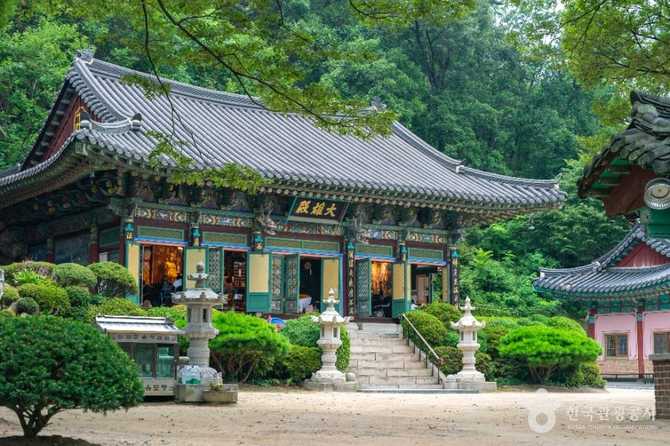
출처 : ⓒ한국관광콘텐츠랩 또는 ⓒ한국관광공사
Visit Gwaneumsa Temple in Seoul: A Tranquil Buddhist Heritage Site
Location 서울특별시 관악구 승방1길 109-80 (남현동)
Location 서울특별시 관악구 승방1길 109-80 (남현동)
Are you seeking a serene and culturally rich experience in Seoul? Gwaneumsa Temple offers visitors a peaceful retreat nestled in the scenic mountains of the city, blending centuries of history with spiritual tranquility. This historic Buddhist temple, located in the heart of Seoul, is an ideal destination for travelers interested in Korea’s spiritual heritage, traditional architecture, and natural beauty. Whether you are a devout Buddhist, a history enthusiast, or simply looking for a peaceful escape from urban life, Gwaneumsa provides a meaningful experience that connects you with Korea’s deep-rooted religious traditions.
Gwaneumsa Temple, situated at the foot of Gwanak Mountain’s highest peak, is a significant cultural landmark with over a thousand years of history. Originally founded in 895 AD by the renowned monk Doseon Guksa during the Silla Dynasty, the temple has served as a place of prayer and spiritual practice for generations. Its name, meaning “Gwaneum Temple,” reflects its dedication to Avalokiteshvara (Gwaneum Bosal), the Bodhisattva of Compassion, symbolizing the temple’s mission to listen to the suffering of the world and offer aid. Over the centuries, the temple has undergone various reconstructions and expansions, notably in the 20th century, maintaining its importance as a spiritual sanctuary amidst Seoul’s bustling cityscape.
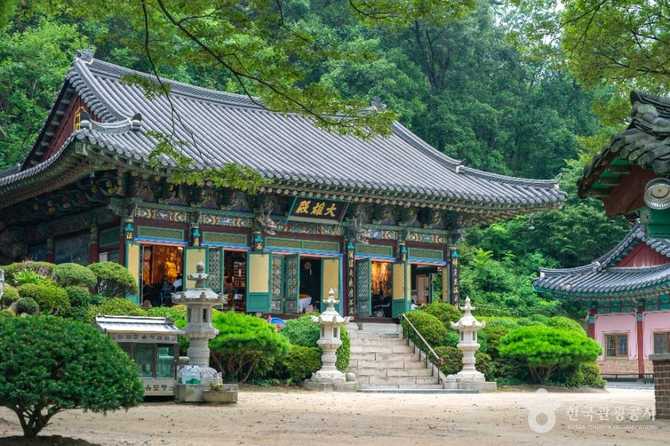
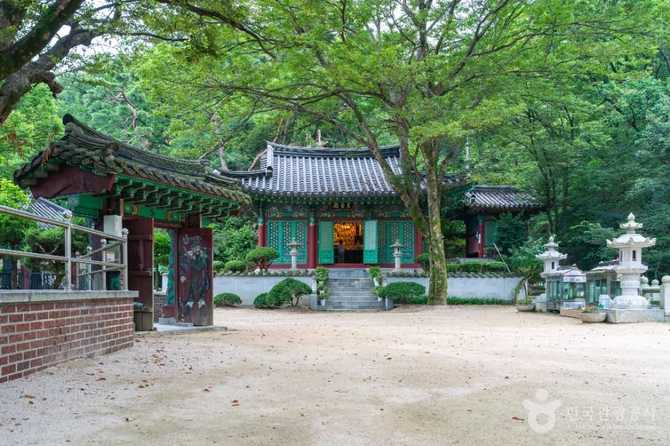
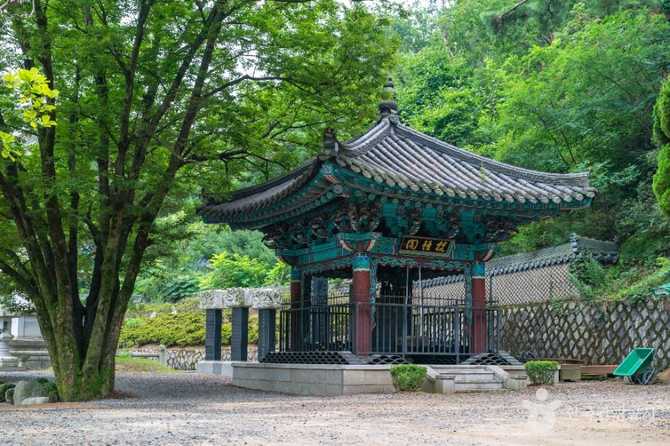
Today, Gwaneumsa Temple welcomes visitors year-round, offering a peaceful environment for meditation, reflection, and appreciation of traditional Korean Buddhist culture. Its scenic location at the base of Gwanak Mountain provides stunning views and a tranquil atmosphere perfect for contemplation. The temple complex includes several historic structures, such as the main hall (Daeungjeon), the Dragon King Pavilion, and the bell tower, all built with traditional Korean architectural styles. Visitors can explore the temple grounds, participate in temple stay programs, or simply enjoy the natural surroundings. With free admission and ample parking, Gwaneumsa is an accessible and enriching destination for travelers seeking a spiritual and cultural experience in Seoul.
At a glance
- Who this is for
-
- Travelers interested in Korean Buddhist culture and history
- Visitors seeking a peaceful retreat in Seoul
- Spiritual practitioners and meditation enthusiasts
- History buffs exploring Korea’s ancient temples
- Key takeaways
-
- Founded in 895 AD by monk Doseon Guksa
- Located at the foot of Gwanak Mountain in Seoul
- Dedicated to Gwaneum Bosal (Avalokiteshvara)
- Historical reconstructions in 1924 and 1974
- Open year-round with free admission and parking
- Tips & cautions
-
- Wear comfortable shoes for walking around the temple grounds
- Respect local customs and temple etiquette
- Check weather conditions before visiting, as outdoor areas are exposed
- Participate in temple stay programs if interested in an immersive experience
- Bottom line
- Gwaneumsa Temple offers a peaceful and culturally rich experience, perfect for those seeking spiritual connection and historical exploration in Seoul.
Located in the vibrant city of Seoul, Gwaneumsa Temple stands as a testament to Korea’s enduring Buddhist traditions. Its strategic position at the base of Gwanak Mountain provides a scenic backdrop that enhances the spiritual atmosphere. The temple’s long history, dating back over a millennium, reflects its importance as a place of worship, meditation, and cultural preservation. Visitors can explore historic structures, participate in religious ceremonies, or simply enjoy the tranquil natural environment. For those interested in Korea’s religious heritage, Gwaneumsa offers a unique window into the country’s spiritual landscape.
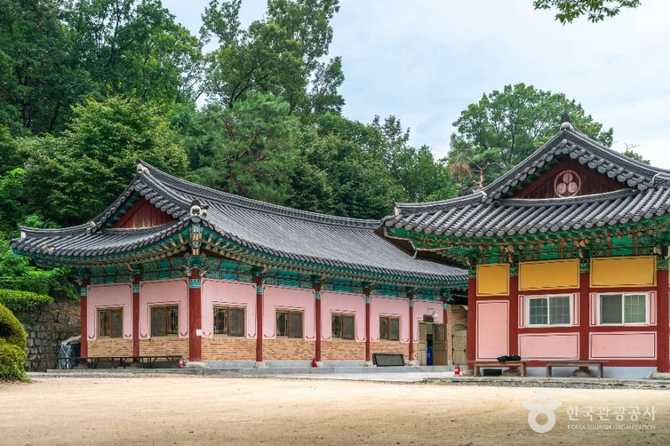
Whether you are a devout Buddhist or a curious traveler, visiting Gwaneumsa Temple enriches your understanding of Korea’s spiritual and cultural history. The temple’s accessibility, combined with its serene setting, makes it an ideal destination for a peaceful day trip or a meaningful cultural experience. In the following sections, we will explore how to get there, what to see and do, and practical tips to ensure a memorable visit to Gwaneumsa Temple in Seoul.
Overview of Gwaneumsa Temple in Seoul
Gwaneumsa Temple in Seoul is a historic Buddhist sanctuary nestled at the foot of Gwanak Mountain. This sacred site, with a history spanning over a millennium, offers visitors a peaceful retreat immersed in Korea’s spiritual heritage. Located in the vibrant district of Gwanak-gu, the temple is easily accessible from central Seoul, making it an ideal destination for travelers seeking cultural enrichment and tranquility. The focus keyword, Gwaneumsa Temple in Seoul, encapsulates its significance as a spiritual landmark that combines historical depth with natural beauty.
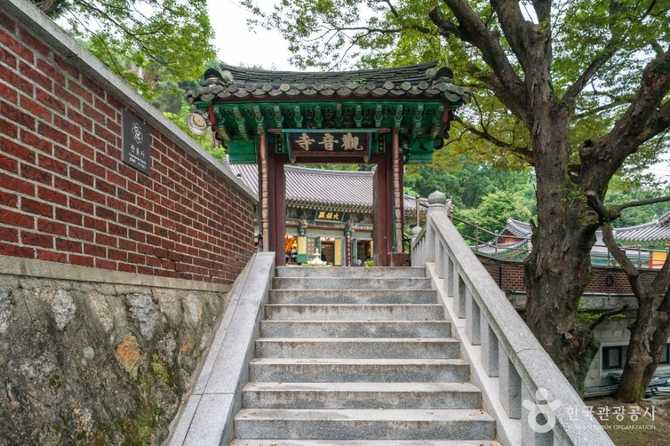
Founded in 895 AD by the renowned monk Doseon Guksa during the Silla Dynasty, Gwaneumsa has served as a place of worship, meditation, and reflection for over a thousand years. Its name, meaning “Gwaneum Temple,” reflects its dedication to Avalokiteshvara, the Bodhisattva of Compassion, symbolizing the temple’s mission to listen to the suffering of the world and offer aid. Over the centuries, the temple has undergone multiple reconstructions, notably in 1924 and 1974, preserving its architectural and spiritual integrity. Today, it remains a vital part of Korea’s Buddhist culture, welcoming visitors of all backgrounds to experience its serene atmosphere and historic structures.
The temple complex includes several key structures such as the main hall (Daeungjeon), the Dragon King Pavilion, and the bell tower, all built in traditional Korean architectural style. Visitors can explore the grounds, participate in prayer ceremonies, or enjoy panoramic views of Seoul from the temple’s scenic location. With free admission and ample parking, Gwaneumsa Temple is a highly accessible cultural site that offers a meaningful connection to Korea’s spiritual and historical traditions. Whether you are interested in Buddhist practices, history, or simply seeking a tranquil natural environment, Gwaneumsa Temple in Seoul provides a memorable experience that enriches your understanding of Korea’s religious landscape.
Comparison of Gwaneumsa Temple and Other Seoul Temples
| Feature | Gwaneumsa Temple | Dosan Temple | Hoamsa Temple |
|---|---|---|---|
| Location | Gwanak-gu, Seoul | Jung-gu, Seoul | Seongbuk-gu, Seoul |
| Founded | 895 AD by Doseon Guksa | 7th century (exact date unclear) | Early 20th century |
| Main Deity | Gwaneum Bosal (Avalokiteshvara) | Buddha and Bodhisattvas | Buddha and traditional figures |
| Historical Significance | Over 1,100 years old, rebuilt in 1924 & 1974 | Ancient origins, less reconstructed | Modern establishment, early 20th century |
| Main Attractions | Main hall, Dragon King Pavilion, scenic views | Temple halls, meditation spaces, scenic spots | Main hall, traditional architecture, cultural programs |
| Accessibility | Easy access from Seoul, free parking | Central Seoul, public transport available | Accessible via subway and bus |
Main Attractions and Visiting Checklist at Gwaneumsa Temple
- Main Hall (Daeungjeon): The central structure where traditional Buddhist ceremonies are held. Admire the intricate wooden carvings and serene atmosphere.
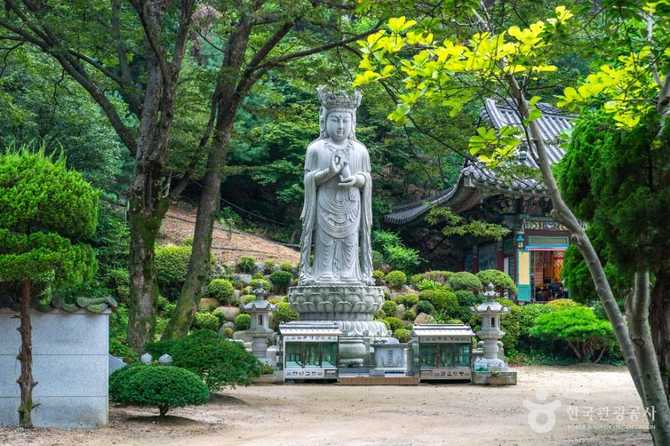
- Gwaneum Bosal Statue: The statue of Avalokiteshvara, symbolizing compassion, is a focal point of worship and reflection.
- Dragon King Pavilion: A scenic pavilion offering views of the surrounding nature and a peaceful spot for meditation.
- Bell Tower: The large traditional bell, used during ceremonies, provides a tranquil soundscape and historical ambiance.
- Scenic Mountain Views: The temple’s location at the foot of Gwanak Mountain offers breathtaking vistas, especially during sunrise or sunset.
- Temple Grounds: Explore the well-preserved traditional architecture, stone lanterns, and peaceful courtyards.
Visiting Tips and Practical Information for Gwaneumsa Temple
| Category | Details |
|---|---|
| Getting There | Accessible via Seoul Subway Line 2, Gwanak Station, Exit 2, then a short walk. Parking available on site. |
| Best Visiting Time | Spring (April-May) and autumn (October-November) for scenic views. The temple is open year-round. |
| What to Wear | Comfortable shoes for walking, modest clothing respectful of religious customs. |
| Facilities | Restrooms available on site, souvenir shop, and tea house for refreshments. |
| Guided Tours & Programs | Available upon request; participate in temple stay programs or meditation sessions for a deeper experience. |
| Important Tips | Respect local customs, keep noise to a minimum, and take photos only in designated areas. |
Cultural Activities and Visitor Checklist at Gwaneumsa Temple
- Participate in meditation or prayer sessions offered at the main hall.
- Join a temple stay program to experience monastic life and traditional rituals.
- Respect the sacred atmosphere by dressing modestly and following temple etiquette.
- Explore the scenic surroundings, especially during sunrise or sunset for breathtaking views.
- Take time to appreciate the traditional Korean architecture and peaceful courtyards.
- Buy souvenirs or traditional teas from the on-site shop to remember your visit.
- Capture photos of the historic structures and natural scenery, respecting any restrictions.
- Engage with monks or guides for insights into Buddhist practices and the history of Gwaneumsa.
Frequently Asked Questions (FAQ)
The temple is open year-round and accessible at all times, as it operates on a 24/7 basis with no specific opening hours. Visitors can explore the grounds freely at any time.
No, admission to Gwaneumsa Temple is free. Visitors can enjoy the historic site and natural surroundings without any entrance charges.
The temple is easily accessible via Seoul’s public transit system. It is located in Gwanak-gu and can be reached by bus or subway, with nearby stops providing convenient access.
Yes, free parking is available for visitors arriving by car. The parking lot is spacious and provides easy access to the temple grounds.
Yes, Gwaneumsa offers temple stay programs and participation in Buddhist ceremonies. These experiences provide a deeper understanding of Korea’s spiritual traditions.
The main attractions include the Daeungjeon (main hall), the Gwaneum Bosal statue, the Dragon King Pavilion, and scenic views of Gwanak Mountain. The temple’s traditional architecture and tranquil environment are also highlights for visitors.
Experience Tranquility and Cultural Heritage at Gwaneumsa Temple in Seoul
Visiting Gwaneumsa Temple in Seoul offers a unique opportunity to immerse yourself in Korea’s rich Buddhist traditions while enjoying the serene natural surroundings of Gwanak Mountain. This historic temple, over a thousand years old, continues to serve as a spiritual sanctuary where visitors can experience traditional Korean architecture, participate in prayer rituals, or simply relax amidst peaceful scenery. Its accessible location in Gwanak-gu makes it an ideal destination for travelers seeking a meaningful cultural experience without leaving the city. Whether you’re interested in exploring Korea’s religious heritage, seeking a quiet retreat from urban life, or simply appreciating scenic mountain views, Gwaneumsa provides a welcoming atmosphere for all. The temple’s free admission and ample parking make it a convenient and enriching stop during your visit to Seoul. Engaging with this sacred site not only deepens your understanding of Korea’s spiritual landscape but also offers a calming escape that refreshes both mind and body. A visit to Gwaneumsa Temple in Seoul promises a memorable journey into Korea’s spiritual and historical traditions, leaving you with lasting impressions of its peaceful beauty and cultural significance.